
Meta Plans ‘Name Tag’ Facial Recognition for Ray-Ban Smart Glasses
Meta’s “Name Tag” Facial Recognition: The Privacy Dilemma That Could Redefine Smart Glasses
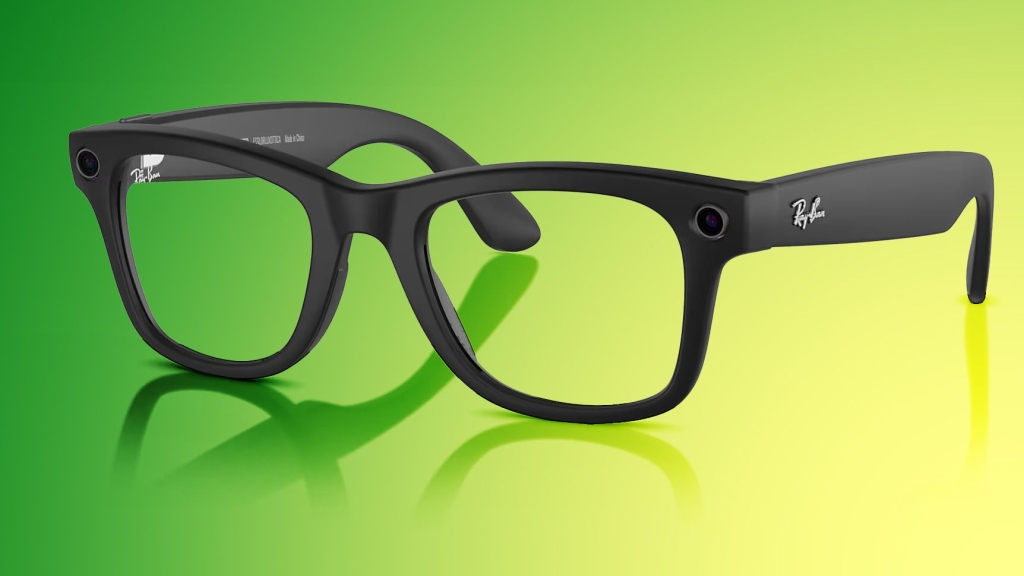
Meta is reportedly preparing to introduce a groundbreaking facial recognition feature into its Ray-Ban smart glasses as early as this year, a move that could fundamentally alter how we interact with wearable technology—and raise serious questions about privacy in public spaces.
According to sources familiar with Meta’s plans who spoke with The New York Times, the feature, internally dubbed “Name Tag,” would allow wearers to identify people and instantly access information about them through Meta’s artificial intelligence assistant. The company sees this capability as a potential game-changer that could differentiate its smart glasses in an increasingly competitive market.
Mark Zuckerberg himself is reportedly driving this initiative, viewing facial recognition as the key to making the AI assistant embedded in the glasses significantly more useful. Imagine walking into a crowded conference and having instant access to professional details about the people you meet, or recognizing someone you met briefly months ago but whose name you’ve forgotten.
The Political Timing Strategy
Perhaps most controversially, internal documents obtained by The New York Times reveal that Meta has been discussing this feature since early last year. An internal memo dated May 2024 suggested that the “political tumult” in the United States presented an opportune moment for release, arguing that civil society groups that might typically oppose such technology would have their resources “focused on other concerns.”
The document stated: “We will launch during a dynamic political environment where many civil society groups that we would expect to attack us would have their resources focused on other concerns.”
This strategic timing revelation has sparked immediate backlash from privacy advocates who see it as Meta attempting to exploit societal distractions to push through controversial technology.
A Dramatic Policy Reversal
The facial recognition plan represents a significant reversal for Meta. Just five years ago, in 2021, Facebook shut down its facial recognition system that automatically tagged people in photos, citing the need to find “the right balance” for a technology that raises privacy and legal concerns. The company deleted over a billion people’s facial recognition templates at the time.
This isn’t Meta’s first attempt at bringing facial recognition to consumer products either. Technical challenges and ethical concerns reportedly prevented the feature from making it into the first version of Meta’s Ray-Ban smart glasses, which have nonetheless proven remarkably successful. EssilorLuxottica, Meta’s manufacturing partner, announced this week that it sold more than seven million units in 2025 alone.
Who Would Be Recognizable?
According to the reporting, Meta is still grappling with important questions about who would be recognizable through the technology. The company is reportedly considering several approaches:
- Recognizing people a user knows through their Meta accounts
- Identifying individuals who have public accounts on Meta platforms like Instagram
- Potentially limiting recognition to people who have opted into being identified
Critically, the feature reportedly would not allow users to look up literally anyone they encounter on the street. This limitation suggests Meta is aware of the potential for abuse and is attempting to build some guardrails into the system.
Privacy Concerns and Real-World Testing
The privacy implications of facial recognition smart glasses are profound. Civil liberties organizations have long warned that such technology could enable unprecedented surveillance capabilities in everyday life. The ability to instantly identify and profile strangers raises questions about consent, data collection, and the erosion of anonymity in public spaces.
These concerns aren’t merely theoretical. In 2024, two Harvard students demonstrated how Meta’s existing Ray-Ban smart glasses could be paired with the facial recognition service PimEyes to identify strangers on the Boston subway. They posted a viral video of their experiment, showing how easily they could photograph commuters and then use the service to identify them and find their social media profiles.
Meta responded to that incident by emphasizing that the glasses include a small white LED on the top-right corner of the frame to signal when recording is taking place. However, critics argue that this warning light is insufficient, as it only indicates recording is happening, not that facial recognition is being performed.
The Broader Smart Glasses Arms Race
Meta’s facial recognition ambitions come amid intensifying competition in the smart glasses market. Bloomberg reported last year that Apple is planning to launch its own set of smart glasses by the end of 2026. These glasses will be comparable to Meta’s Ray-Bans and Google’s Android XR glasses but “better made,” according to sources.
Apple’s smart glasses are expected to include cameras, microphones, and AI capabilities, with features like photo and video capture, translations, and turn-by-turn directions. However, they reportedly won’t include augmented reality capabilities—a decision that may reflect Apple’s more cautious approach to potentially controversial technologies.
Meta’s Official Response
When approached by The New York Times for comment, Meta provided a carefully worded statement: “We’re building products that help millions of people connect and enrich their lives. While we frequently hear about the interest in this type of feature – and some products already exist in the market – we’re still thinking through options and will take a thoughtful approach if and before we roll anything out.”
This non-committal response suggests Meta is still weighing the potential backlash against the competitive advantages of facial recognition. The company’s history of controversial privacy decisions, including the Cambridge Analytica scandal and various data collection controversies, means any move toward facial recognition will be heavily scrutinized.
The Future of “Super-Sensing” Glasses
Beyond facial recognition, Meta is apparently working on so-called “super-sensing” glasses that would continually run cameras and sensors to keep a record of someone’s entire day. This technology would essentially create a searchable visual diary of everything the wearer sees and does, raising even more profound questions about privacy, memory, and the boundaries between digital and physical life.
As Meta moves forward with these technologies, the tension between innovation and privacy protection will only intensify. The company’s massive user base and technical capabilities mean that whatever decisions it makes about facial recognition will likely influence the entire industry and shape how society navigates the complex intersection of wearable technology and personal privacy in the years to come.
Tags: Meta facial recognition, Ray-Ban smart glasses, Name Tag feature, Zuckerberg AI, privacy concerns, smart glasses 2026, facial recognition technology, wearable tech, Meta Reality Labs, civil liberties, public surveillance, Harvard PimEyes experiment, Apple smart glasses, super-sensing glasses, Instagram facial recognition, Boston subway experiment, Meta privacy controversy, AI assistant glasses, EssilorLuxottica sales, Bloomberg smart glasses report
Viral Sentences:
- “Meta plans to add a facial recognition feature to its Ray-Ban smart glasses as soon as this year”
- “Mark Zuckerberg reportedly wants the feature to differentiate the devices”
- “The internal memo also said the ‘political tumult’ in the United States was good timing for the feature’s release”
- “Two Harvard students used Ray-Ban Meta glasses alongside the facial recognition service PimEyes to identify strangers on the Boston subway”
- “Apple is planning to launch a set of smart glasses by the end of this year”
- “Meta is apparently also working on so-called ‘super-sensing’ glasses that continually run cameras and sensors”
- “This is a turnaround for the company – five years ago, Facebook shut down its facial recognition system”
- “We will launch during a dynamic political environment where many civil society groups that we would expect to attack us would have their resources focused on other concerns”
- “The plan is a turnaround for the company – five years ago, Facebook shut down its facial recognition system for tagging people in photos”
- “Meta’s smart glasses have already been used to identify people in public”
,
![[2602.10177] Towards Autonomous Mathematics Research](https://techno-news.org/wp-content/uploads/2026/02/arxiv-logo-fb-150x150.png "[2602.10177] Towards Autonomous Mathematics Research")

Leave a Reply
Want to join the discussion?Feel free to contribute!