
Meta Will Buy Startup’s Nuclear Fuel in Unusual Deal to Power AI Data Centers
Meta’s Nuclear Gambit: Betting Big on Atomic Power to Fuel the AI Revolution
In a move that’s sending shockwaves through both the tech and energy sectors, Meta is making one of the most audacious bets in corporate history: a massive, multi-pronged investment in nuclear power to fuel its artificial intelligence ambitions. As the insatiable energy appetite of AI models continues to grow exponentially, the social media giant is positioning itself at the forefront of what many are calling the “AI-energy nexus.”
The numbers are staggering. Data center energy consumption is projected to grow at a compound annual rate that has industry analysts and environmentalists alike deeply concerned. Meta’s strategy? Go nuclear—and not just any nuclear, but a comprehensive portfolio spanning traditional reactors, advanced small modular reactors (SMRs), and innovative fuel arrangements that have never been attempted in the commercial sector.
The Oklo Connection: A Prepayment Power Play
At the heart of Meta’s nuclear strategy lies an unprecedented agreement with Oklo, a California-based startup developing next-generation microreactors. In what industry insiders describe as a “first-of-its-kind” arrangement, Meta has agreed to prepay for electricity from Oklo’s planned 1.2-gigawatt facility in southern Ohio—with a twist that’s turning heads across the energy landscape.
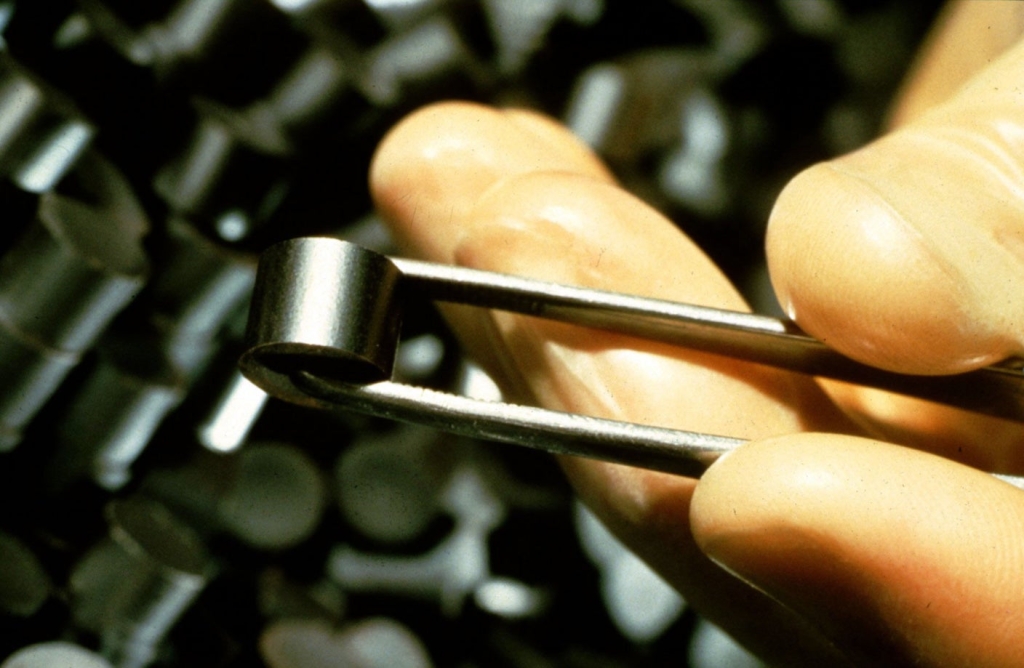
Rather than simply signing a power purchase agreement, Meta is actually financing the nuclear fuel itself. This means the company is directly purchasing the high-assay low-enriched uranium (HALEU) that will power Oklo’s reactors, a move so unusual that Koroush Shirvan, a nuclear engineering researcher at MIT, told Wired magazine, “I’m trying to think of any other customers who provide fuel other than the US government. I can’t think of any.”
The significance of this arrangement cannot be overstated. HALEU fuel, enriched to levels approximately four times higher than conventional reactor fuel, is essential for the compact, efficient designs that companies like Oklo are pursuing. With Russia and China currently dominating the commercial HALEU market—and US sanctions on Russian uranium driving prices upward—Meta’s direct involvement in fuel procurement represents both a strategic masterstroke and a potential lifeline for the domestic nuclear fuel industry.
Oklo plans to use Meta’s prepayment to secure fuel for the first phase of its Pike County power plant, which could begin feeding electricity to the grid as early as 2030, though full 1.2-gigawatt capacity won’t be reached until 2034. The facility will supply power to Meta’s data centers in the region, creating a closed-loop system where the company controls everything from fuel procurement to electricity consumption.
TerraPower: Bill Gates’ Nuclear Vision Gets a Meta Boost
Meta’s nuclear portfolio extends well beyond Oklo. The company has also struck a deal with TerraPower, the nuclear innovation company founded by Bill Gates, to help fund development of two advanced reactors capable of generating up to 690 megawatts by 2032. The agreement includes rights for energy from up to six additional units by 2035, potentially delivering gigawatts of carbon-free power to Meta’s growing AI infrastructure.
“This is an order for real work to begin a megaproject,” TerraPower CEO Chris Levesque told The Wall Street Journal, highlighting the significance of having a tech giant as an anchor customer. Unlike traditional utility partnerships, Meta’s involvement provides TerraPower with the capital certainty needed to move forward with complex, capital-intensive nuclear projects.
TerraPower’s technology represents the cutting edge of nuclear innovation, utilizing traveling wave reactor designs that can operate for decades without refueling and can even use depleted uranium as fuel. This aligns perfectly with Meta’s need for reliable, around-the-clock power to support AI training operations that can run for months without interruption.
Vistra Partnership: Breathing New Life into Existing Reactors
Meta’s nuclear strategy isn’t limited to next-generation technology. The company has also partnered with Vistra, a major utility company, in a series of agreements that will keep three existing nuclear plants operational and even expand their capacity. Meta is committing to purchase more than 2.1 gigawatts over 20 years from the existing capacity of Vistra’s Perry and Davis-Besse plants in Ohio, plus another 433 megawatts from expanded capacity at those facilities and the Beaver Valley plant in Pennsylvania.
These plants, all of which had been slated for closure just a few years ago, now have a new lease on life thanks to Meta’s demand. Vistra is planning to apply for license extensions, effectively reversing the trend of nuclear plant retirements that has plagued the industry for decades.
Constellation Energy: A Nuclear Extension in Illinois
Meta’s nuclear investments began even before these major deals, with a landmark agreement last June to extend the life of Constellation Energy’s Illinois power station by an additional 20 years. This deal, which was one of the first major tech-nuclear partnerships, set the stage for the more ambitious arrangements that followed.
The Regulatory Wildcard: Oklo’s Rocky Road
Not all is smooth sailing in Meta’s nuclear ambitions. The company’s bet on Oklo carries significant risk, as the startup has yet to secure the necessary regulatory approvals. The Nuclear Regulatory Commission rejected Oklo’s license application in 2022, and the company has yet to resubmit. An anonymous former NRC official who dealt with the application recently told Bloomberg that Oklo “is probably the worst applicant the NRC has ever had.”
This regulatory uncertainty has led some industry observers to question whether Meta’s aggressive nuclear strategy is premature. However, the company appears to be hedging its bets effectively, with multiple parallel investments that don’t all depend on any single technology or regulatory outcome.
The AI-Energy Nexus: Why Nuclear Makes Sense Now
The driving force behind Meta’s nuclear pivot is the explosive growth in AI-related energy demand. Training large language models and running inference at scale requires massive amounts of continuous power—precisely what nuclear excels at providing. Unlike renewable sources like solar and wind, which are intermittent, nuclear reactors can operate at full capacity 24/7, making them ideal for data centers that need reliable, always-on power.
Industry forecasts suggest that US nuclear capacity could rise by 63 percent in the coming decades, with data center demand being a primary driver. This represents a remarkable turnaround for an industry that has struggled with cost overruns, regulatory hurdles, and public opposition for decades.
Meta’s aggressive nuclear strategy positions the company to potentially lock in stable, carbon-free power prices for decades to come, insulating it from the volatility of fossil fuel markets and the intermittency challenges of renewable energy. In an era where AI model sizes are doubling every few months and training runs can cost tens of millions of dollars, energy reliability isn’t just an operational concern—it’s a competitive necessity.
The Broader Implications: A Nuclear Renaissance?
Meta’s moves are part of a broader trend of tech companies turning to nuclear power. Google, Amazon, and Microsoft have all signed long-term deals with nuclear providers and invested in next-generation reactor companies. This collective push from some of the world’s most valuable companies could provide the catalyst needed to revitalize the nuclear industry after decades of stagnation.
The implications extend far beyond the tech sector. If successful, these corporate nuclear investments could demonstrate new business models for financing and deploying nuclear power, potentially unlocking trillions of dollars in clean energy deployment needed to combat climate change.
However, questions remain about whether the AI models of 2030 will have the same energy requirements as today’s systems. Advances in efficiency, alternative computing architectures, or even entirely new approaches to artificial intelligence could dramatically alter the energy landscape. Meta’s nuclear investments are, in many ways, a bet that today’s power-hungry AI paradigm will persist—or at least that nuclear power will be valuable regardless of how AI evolves.
What’s Next: The Long Road to 2030 and Beyond
As Meta moves forward with its nuclear strategy, the timeline is critical. While some components, like the Vistra agreements, can deliver power in the near term, others are years away from fruition. Oklo’s Ohio facility is targeting 2030 for initial operation, with full capacity not reached until 2034. TerraPower’s reactors aim for 2032 startup, with additional units following through 2035.
This long timeline means Meta is making decisions today based on energy needs that are still speculative. The company is essentially placing multibillion-dollar bets on the future of both AI and nuclear technology, with the hope that when these plants come online, they’ll be perfectly positioned to power the next generation of artificial intelligence.
Joel Kaplan, Meta’s chief global affairs officer, captured the significance of these moves in a company statement: “Our agreements with Vistra, TerraPower, Oklo, and Constellation make Meta one of the most significant corporate purchasers of nuclear energy in American history.”
Whether this nuclear strategy will prove to be a visionary masterstroke or an expensive miscalculation remains to be seen. But one thing is certain: Meta’s bold bet on atomic power is reshaping the conversation around energy, technology, and the future of artificial intelligence. As the 2030s approach, all eyes will be on Ohio and other nuclear construction sites to see if this high-stakes gamble pays off.
Tags: Meta nuclear investment, AI energy consumption, small modular reactors, HALEU fuel, Oklo partnership, TerraPower collaboration, Vistra nuclear deal, Constellation Energy extension, data center power, nuclear renaissance, tech industry energy strategy, carbon-free power, advanced reactor technology, nuclear regulatory challenges, AI infrastructure power, next-generation nuclear, corporate clean energy, Ohio nuclear facility, Bill Gates TerraPower, nuclear fuel procurement, energy reliability AI, tech-nuclear partnerships, sustainable AI development, nuclear plant life extension, high-assay low-enriched uranium, microreactor technology, artificial intelligence energy demands, nuclear industry revival, data center electricity consumption, clean energy transition
Viral Sentences:
Meta just made the biggest nuclear bet in tech history—and it could change everything
The AI revolution runs on nuclear power now
Meta is literally buying the fuel that will power its AI future
This unprecedented nuclear deal has never been done before in commercial energy
Tech giants are bringing nuclear power back from the dead
The future of artificial intelligence is atomic
Meta’s nuclear gamble could make or break its AI ambitions
Silicon Valley meets nuclear engineering in this bold new partnership
The energy demands of AI are so massive that only nuclear can keep up
Meta is betting billions that nuclear power will fuel the next decade of AI
This is how you power a trillion-parameter language model
The nuclear renaissance is being driven by your ChatGPT addiction
Meta’s nuclear strategy is either genius or completely insane
The tech industry has found its new favorite energy source
Nuclear power is making a comeback thanks to artificial intelligence
Meta is playing 4D chess with nuclear energy and AI
The future of computing is carbon-free and always-on
This nuclear deal could unlock trillions in clean energy investment
Meta’s atomic ambitions are reshaping the energy landscape
The AI-energy nexus is here, and it’s nuclear-powered
,

Leave a Reply
Want to join the discussion?Feel free to contribute!