
Meta’s metaverse is going mobile-first
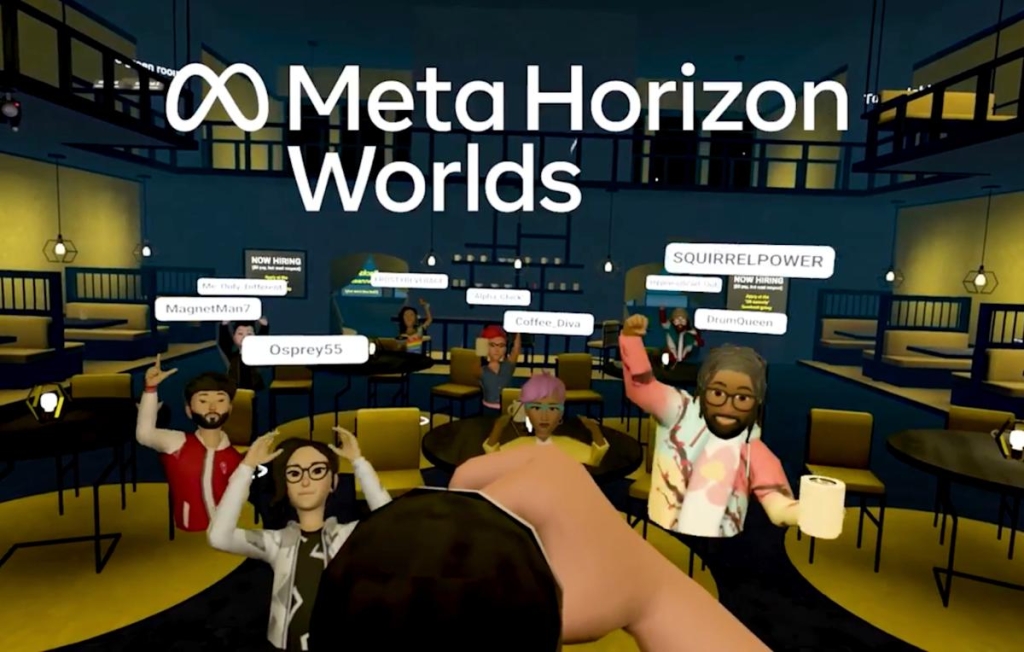
Meta’s Bold Pivot: Horizon Worlds Decoupled from Quest as Company Shifts Focus to Mobile and AI Hardware
In a dramatic strategic shift that signals the end of Meta’s original metaverse ambitions, the tech giant has officially decoupled its Horizon Worlds platform from the Quest VR ecosystem, marking a fundamental restructuring of its virtual reality strategy. This move, detailed in a recent blog post by Samantha Ryan, Meta’s VP of Content for Reality Labs, represents more than just a product reorganization—it’s a clear admission that the company’s initial vision for an all-encompassing metaverse needs serious recalibration.
The decision to separate Horizon Worlds from Quest comes as Meta grapples with mounting pressure to deliver profitable products while facing intense competition in the AI hardware space. This restructuring effectively creates two distinct platforms: Quest will remain Meta’s dedicated VR gaming and immersive experience platform, while Horizon Worlds will transform into a mobile-first social platform designed to compete directly with giants like Roblox and Fortnite.
The Strategic Rationale Behind the Split
According to Ryan’s blog post, the separation was driven by a desire to “create more space for both products to grow.” By explicitly dividing the VR platform from the Worlds platform, Meta aims to provide each with the focused attention and resources necessary for independent development and scaling.
This strategic pivot makes particular sense when considering the vastly different user bases and growth trajectories of each platform. Quest users primarily seek high-quality VR gaming experiences, while Horizon Worlds’ broader appeal lies in its potential as a social metaverse accessible to billions through mobile devices and web browsers. The separation allows Meta to optimize each platform for its specific audience without the constraints of maintaining feature parity across both ecosystems.
Mobile-First Strategy: The New Frontier
Meta has been quietly developing mobile and web versions of Horizon Worlds since at least 2023, recognizing that the future of social interaction lies beyond dedicated VR headsets. The shift to mobile-first positioning transforms Horizon Worlds from a niche VR experience into a mainstream social platform capable of reaching billions of users across Meta’s vast social network ecosystem.
This strategy positions Meta to compete directly with established mobile metaverse platforms like Roblox, which has successfully created a thriving ecosystem of user-generated content and monetization opportunities. By leveraging its existing social media infrastructure—including Facebook, Instagram, and WhatsApp—Meta believes it can rapidly scale Horizon Worlds to unprecedented levels of user engagement and creator participation.
The Business Case: Scalability and Monetization
The mobile-first approach offers several compelling business advantages. First, it dramatically reduces the barrier to entry for new users who don’t own VR headsets. Second, it enables Meta to leverage its existing advertising infrastructure and user data to create more targeted and effective monetization strategies. Third, the mobile platform allows for more frequent updates and feature releases, keeping the platform fresh and engaging for users.
Meta’s confidence in this strategy is evident in its statement about connecting games to “billions of people on the world’s biggest social networks.” This represents a fundamental shift from building a closed VR ecosystem to creating an open, accessible social platform that can integrate seamlessly with existing digital lifestyles.
Quest Platform: Doubling Down on Gaming
While Horizon Worlds pivots to mobile, Meta is simultaneously doubling down on the Quest platform as its dedicated VR gaming ecosystem. This renewed focus includes the development of new monetization tools, improved discoverability features, and enhanced developer support systems designed to attract and retain top-tier VR game developers.
The company’s commitment to the Quest platform is further evidenced by reports of a gaming-focused Quest headset in development, as well as CTO Andrew Bosworth’s confirmation that multiple Quest devices remain on Meta’s product roadmap. This suggests that while Meta is scaling back its metaverse ambitions, it remains deeply invested in VR gaming as a profitable and growing market segment.
The Reality Labs Restructuring
The decision to separate Horizon Worlds from Quest aligns with Meta’s broader restructuring of its Reality Labs division, which has faced significant cost pressures and disappointing user adoption rates. Earlier this year, Meta shuttered several of its own VR game studios as part of cost-cutting measures, signaling a shift away from internal content creation toward supporting third-party developers.
This restructuring reflects CEO Mark Zuckerberg’s public commitment to focus the company on AI hardware initiatives, particularly smart glasses, while maintaining a more measured approach to VR development. The move suggests that Meta has learned valuable lessons about the challenges of building a mass-market metaverse and is now pursuing a more pragmatic, platform-agnostic approach to social VR.
Industry Implications and Future Outlook
Meta’s strategic pivot has significant implications for the broader VR and metaverse industry. By separating its platforms, Meta is effectively acknowledging that the metaverse may not materialize as a single, unified virtual world but rather as a collection of interconnected platforms serving different use cases and user preferences.
For developers, this restructuring creates new opportunities and challenges. Those focused on high-end VR experiences can continue developing for Quest, while those targeting broader audiences may find more success on the mobile version of Horizon Worlds. The separation also raises questions about cross-platform compatibility and whether users will be able to seamlessly transition between VR and mobile experiences.
The Road Ahead
As Meta executes this strategic pivot, the tech industry will be watching closely to see whether the company can successfully transform Horizon Worlds into a mobile metaverse powerhouse while maintaining Quest’s position as a leading VR gaming platform. The success of this dual-platform strategy could determine whether Meta remains a dominant force in the evolving landscape of virtual and augmented reality.
The separation of Horizon Worlds from Quest represents more than just a product reorganization—it’s a fundamental rethinking of Meta’s approach to the metaverse. By acknowledging the limitations of its original vision and adapting to market realities, Meta is positioning itself to compete more effectively in an increasingly crowded and competitive digital landscape.
Tags & Viral Phrases:
Meta metaverse pivot, Horizon Worlds mobile strategy, Quest VR gaming focus, Meta Reality Labs restructuring, Zuckerberg AI hardware shift, VR platform separation, mobile-first metaverse, Roblox competitor strategy, Meta game studio closures, Quest headset roadmap, virtual reality industry trends, metaverse business model evolution, social VR platform strategy, Meta developer ecosystem changes, future of virtual worlds, tech industry restructuring, AI hardware investment, smart glasses development, cross-platform metaverse, user-generated content monetization, digital social interaction trends, VR gaming market analysis, Meta strategic transformation, industry disruption patterns, technology pivot success factors
,

Leave a Reply
Want to join the discussion?Feel free to contribute!