
Mewgenics co-creator responds to h3h3 cameo backlash
Mewgenics’ Controversial Meow Cameos Spark Internet Debate
In a bizarre twist that only the internet could produce, Mewgenics—the highly anticipated cat-breeding roguelite from Edmund McMillen and Tyler Glaiel—has found itself at the center of a heated controversy over its unique approach to voice acting. The game, which has been in development for years and is finally nearing release, features an eclectic mix of internet personalities providing “meow” sounds for the feline characters. However, some of these contributors have become lightning rods for controversy, turning what should have been a simple game mechanic into a cultural flashpoint.
The Human Meow Mystery Solved
When players first heard the distinctive vocalizations in Mewgenics, many assumed they were authentic cat sounds or perhaps cleverly synthesized audio. The truth, however, is far more interesting—and potentially problematic. Each meow in the game is actually a human voice saying “meow,” creating an uncanny valley effect that’s both charming and slightly unsettling.
The roster of meow contributors reads like a who’s who of internet culture, featuring everyone from YouTube personalities to Twitch streamers and beyond. But as with any collection of internet celebrities, some names on that list have become controversial figures in recent years, leading to heated discussions across social media platforms and gaming forums.
The Controversial Cast
According to reports from Rock, Paper, Shotgun, the most contentious inclusions appear to be Ethan Klein and Hila Klein of h3h3Productions. The couple has faced significant backlash due to their vocal support of Israel and their involvement in various online controversies. Hila’s military service in the Israel Defense Forces has particularly drawn criticism from certain segments of the gaming community.
The controversy deepened with the inclusion of Matan Even, better known as the “Elden Ring guy” who famously invaded the Game Awards stage in 2022. Even has since appeared on numerous podcasts and has become a polarizing figure in his own right.
McMillen’s Defense
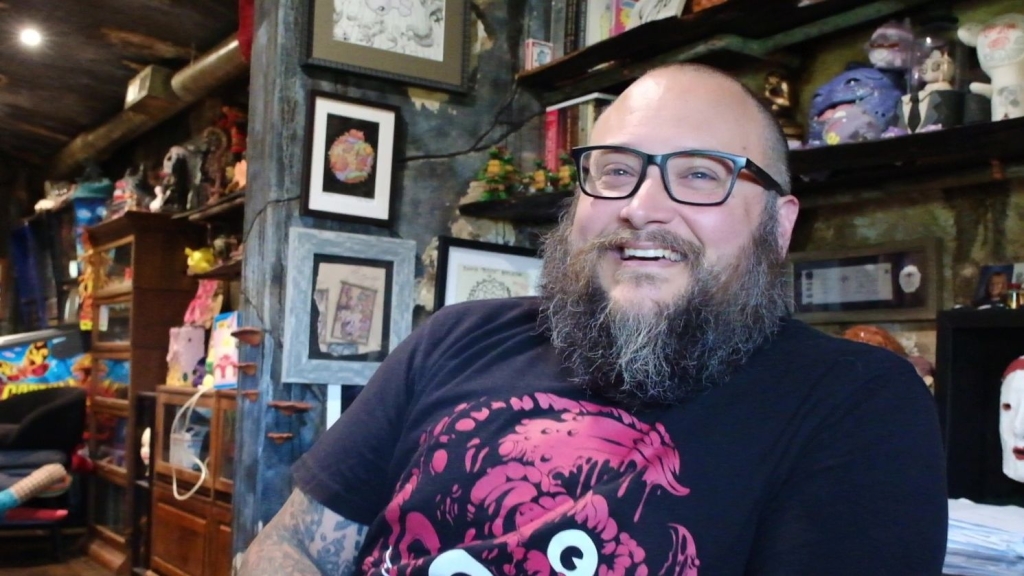
In response to the growing controversy, Edmund McMillen has taken a surprisingly philosophical approach to the criticism. Speaking with Rock, Paper, Shotgun, the developer explained that many of these cameos were secured years ago, long before some of the current controversies emerged.
“I wanted the game to feature a huge array of iconic voices I’ve been hearing echoing across the internet for most of my time making games,” McMillen explained. “As some probably noticed I was all over the place when it came to cameos and did my best to include and keep ones that clashed or kinda counterbalanced each other.”
The developer went even further in his defense, suggesting that the very inclusion of people with opposing viewpoints was intentional and appropriate for the game’s themes. “I understand we live in a time where a meow from someone who has different beliefs as you is scary and frustrating, confusing and controversial, but it felt interesting so I decided to explore it.”
The Balancing Act
Perhaps most intriguingly, McMillen revealed that he deliberately included voices from across the ideological spectrum to create a kind of sonic balance. “The inclusion of Ethan and Hila was counterbalanced by iDubbz and Anisa,” he noted, pointing out that these creators have been supportive of Palestine. The developer even went so far as to contact both parties to ensure they were comfortable with the others’ inclusion, describing the process as surprisingly adult and respectful.
“I should probably point out that I don’t share the same opinions as, well probably any of the people we included,” McMillen added. “If I only included people who share the same exact opinions as me, I’d be the only one meowing in the game.”
The Dark Humor Angle
In classic McMillen fashion, the developer found dark humor in the situation. “Honestly the thing that bothers me the most about all this is, if a cat appears with the voice of someone you hate… you can literally throw it in the trash… or worse,” he quipped. “People need to get more creative with their hate!”
This tongue-in-cheek response encapsulates the developer’s overall attitude toward the controversy—while acknowledging the concerns, he’s not letting them overshadow what he sees as an interesting artistic choice.
The Broader Implications
The Mewgenics controversy raises fascinating questions about the intersection of art, politics, and internet culture. In an era where every creative decision is scrutinized through a political lens, McMillen’s approach of embracing ideological diversity—even within something as seemingly innocuous as cat sound effects—feels almost revolutionary.
It also highlights the increasingly complex relationship between game developers and internet personalities. As the lines between content creation, streaming, and traditional game development continue to blur, we’re likely to see more of these kinds of controversies emerge.
The Game Itself
Despite the controversy, Mewgenics remains one of the most anticipated indie games on the horizon. Building on the success of The Binding of Isaac, the game promises a deep and complex cat-breeding system wrapped in a roguelite framework. The inclusion of recognizable voices adds an extra layer of personality to what could have been a standard gaming experience.
The game’s premise—breeding and mutating cats to create increasingly bizarre and powerful feline warriors—already pushes boundaries in terms of content. Adding real human voices to these digital cats creates an uncanny connection between the virtual and real worlds that’s both fascinating and slightly disturbing.
Community Response
The gaming community’s reaction has been predictably divided. Some players have praised McMillen’s commitment to artistic vision and his refusal to bow to pressure from any particular ideological group. Others have called for boycotts or expressed disappointment that the developer would include figures they consider problematic.
On ResetEra, one of the forums where the controversy first gained traction, users have been debating the implications of the meow choices for weeks. Some argue that including voices from controversial figures normalizes their presence in gaming spaces, while others maintain that art should be allowed to exist independently of political considerations.
The Future of Internet Crossovers
Mewgenics may represent a new frontier in how internet personalities and gaming intersect. As content creators become increasingly influential, their involvement in game development—whether through voice work, design consultation, or direct development roles—is likely to become more common.
This trend raises interesting questions about authenticity, influence, and the commodification of internet fame. When a YouTube personality’s voice appears in a game, does it represent a genuine creative collaboration or simply another monetization opportunity?
Final Thoughts
The Mewgenics meow controversy is ultimately a microcosm of larger cultural tensions playing out across the internet. It touches on issues of free expression, political polarization, the role of art in society, and the increasingly blurred lines between different forms of digital entertainment.
Whether you view it as a brilliant artistic statement or a misguided attempt at controversy, there’s no denying that McMillen has once again managed to create something that gets people talking. In an industry where so many games aim for broad appeal and inoffensive content, Mewgenics stands out precisely because it refuses to play it safe.
As the game’s release approaches, it will be fascinating to see how this controversy affects its reception. Will players embrace the eclectic mix of voices, or will the controversy overshadow the game’s actual content? One thing is certain: in the world of internet culture, even cat sounds can become political statements.
Tags & Viral Phrases:
- Controversial cat meows
- Internet drama
- Edmund McMillen strikes again
- Meow-gate
- Cat breeding controversy
- Internet personalities in games
- The politics of pet sounds
- When meows become problematic
- Gaming’s most bizarre controversy
- Throw it in the trash
- Ideological diversity in cat sounds
- The uncanny valley of internet voices
- When your favorite game has problematic meows
- Mewgenics controversy explained
- The meow heard round the internet
- Cat sounds as political statements
- Gaming’s most unexpected debate
- When internet drama meets indie games
- The meow that broke the internet
- Cat breeding meets cancel culture
,


Leave a Reply
Want to join the discussion?Feel free to contribute!