
Michigan attorney general sues Kalshi over alleged unlicensed sports betting operation
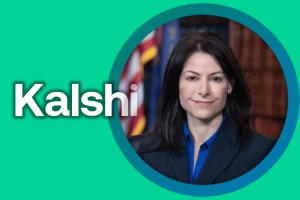
Michigan Attorney General Takes Legal Action Against Kalshi, Accusing Platform of Operating Unlicensed Sportsbook
In a dramatic escalation of the ongoing battle between state regulators and prediction market platforms, Michigan Attorney General Dana Nessel has filed a civil enforcement action against Kalshi, alleging the company operates an unlicensed sports betting operation within the state’s borders. The lawsuit, filed in Ingham County Circuit Court, marks Michigan as the tenth state to engage in litigation with Kalshi, but only the third to sue as a plaintiff in state court.
Breaking Down the Legal Challenge
The complaint, which has been assigned to Judge Rosemarie Aquilina, centers on allegations that Kalshi allows Michigan residents to place sports-related wagers without obtaining the necessary licensing approval from the Michigan Gaming Control Board. This legal action represents a significant challenge to Kalshi’s business model, which the company has positioned as a financial trading platform rather than a gambling operation.
“Kalshi offers an online sports betting operation to residents in the State of Michigan without the licensing approval of the Michigan Gaming Control Board,” the complaint states emphatically. “Specifically, Kalshi operates a so-called prediction market through which residents of the State of Michigan can engage in unlicensed gambling under the guise of trading event contracts.”
The Core of the Dispute
At the heart of this legal battle lies a fundamental disagreement about how to classify Kalshi’s services. The company presents itself as a financial trading platform where users can buy and sell contracts tied to the outcome of various events, including sporting competitions. However, Michigan’s legal team argues that these contracts function essentially as sports wagers, making them subject to the state’s gambling regulations.
The complaint details how users can purchase contracts that pay out if their predictions about sporting events prove correct. For instance, if someone correctly predicts that a particular hockey team will win a match, they stand to make money on their contract. The state contends that this mechanism is functionally identical to placing a bet at a sportsbook.
Detailed Examples of Alleged Violations
The lawsuit provides numerous specific examples of the types of event contracts that Michigan authorities claim constitute illegal gambling. These examples paint a picture of a platform that has expanded well beyond simple yes-or-no predictions about game outcomes.
Among the contracts cited in the filing are predictions about who will win hockey matchups between teams like the Belleville Senators and the Syracuse Crunch in the American Hockey League. The complaint also references wagers on games involving international teams such as Frölunda HC and Luleå Hockey from Sweden’s top professional league.
The scope extends beyond simple win-loss predictions. Users can allegedly wager on whether professional golfer Patrick Reed will outperform Daniel Hillier during a DP World Tour event. Point total predictions are also available, such as whether the Detroit Pistons and Washington Wizards will combine to score more than 224.5 points in a game.
College basketball isn’t exempt from these offerings either. The complaint cites examples where users can predict whether Rider University will beat Marist University by more than 9.5 points in a college basketball contest. This particular example highlights how the platform allegedly targets even collegiate sports, which are subject to additional regulatory scrutiny in many jurisdictions.
Expanding Beyond Traditional Sports Betting
What makes this case particularly noteworthy is the breadth of betting options that Michigan authorities claim Kalshi provides. The state argues that the platform has broadened its menu to include bets on individual player touchdowns, margins of victory, total game scores, and even bundled outcomes that span multiple events.
“In each case, the bettors’ return is determined entirely by an outcome outside their control,” the complaint states, emphasizing the gambling nature of these transactions. This characterization directly contradicts Kalshi’s positioning of its services as financial instruments subject to commodity trading regulations.
The Regulatory Landscape
Michigan’s lawsuit arrives amid growing scrutiny of prediction markets nationwide. State regulators have been increasingly concerned about platforms that may be circumventing established sports betting frameworks. In April 2025, Michigan Gaming Control Board Executive Director Henry Williams issued a warning about unlicensed entities, stating: “Unlicensed entities not only pose a risk to consumers but also undercut the integrity and revenue-generating potential of the state’s regulated sports betting industry. We are actively investigating these practices and will pursue appropriate measures to protect Michigan bettors.”
This statement foreshadowed the current legal action and demonstrates that Michigan had been building its case against prediction market platforms for some time. The state’s approach reflects a broader concern about maintaining control over gambling activities within its borders and ensuring that all operators contribute to the regulatory framework designed to protect consumers and generate revenue.
Classification Battle
The larger dispute fundamentally hinges on how to classify these prediction markets. Companies like Kalshi argue that their products function as financial exchanges subject to federal commodities rules administered by the Commodity Futures Trading Commission. They maintain that their contracts are legitimate financial instruments, not gambling products.
States, however, contend that sports-based contracts fall squarely under gambling laws. This classification battle has become increasingly contentious as prediction markets have grown in popularity and sophistication. The outcome of this legal dispute could have significant implications for how similar platforms operate across the country.
National Context
Michigan’s lawsuit is part of a growing trend of state-level challenges to prediction market platforms. California and other states have also begun scrutinizing sports-linked prediction markets as regulators weigh whether they run afoul of existing betting statutes. This coordinated regulatory pushback suggests that prediction market companies may face an increasingly hostile legal environment as they expand their operations.
The fact that Michigan is only the third state to sue as a plaintiff in state court, rather than simply engaging in litigation, indicates that some jurisdictions are becoming more aggressive in their enforcement efforts. This escalation could signal a shift in how states approach the regulation of these emerging platforms.
Implications for the Industry
The outcome of this case could have far-reaching consequences for the prediction market industry. If Michigan succeeds in its arguments, it could embolden other states to take similar legal action, potentially forcing companies like Kalshi to either exit certain markets or significantly modify their business models.
Conversely, if Kalshi prevails, it could establish important precedents for how prediction markets are regulated and classified, potentially opening the door for broader expansion of these services. The case also raises important questions about the intersection of federal and state regulatory authority, particularly given that Kalshi operates under CFTC oversight at the federal level.
Consumer Protection Concerns
Beyond the regulatory and classification issues, the lawsuit highlights genuine consumer protection concerns. Unlicensed gambling operations may lack the safeguards that regulated sportsbooks are required to maintain, potentially exposing users to greater risks of fraud, unfair practices, or problem gambling without adequate support resources.
The state’s position suggests that maintaining a regulated gambling ecosystem is crucial for ensuring consumer protection, generating tax revenue, and preventing criminal activity. By allowing unlicensed operators to function, regulators argue that states lose control over these important aspects of gambling oversight.
The Path Forward
As this case moves through the legal system, both sides will likely present extensive arguments about the nature of prediction markets and their proper regulatory classification. The court’s decision could have implications not just for Kalshi but for the entire emerging industry of event-based financial contracts.
For now, Michigan residents who have been using Kalshi’s platform may find their access restricted or modified depending on the outcome of this litigation. The case also serves as a warning to other prediction market operators about the potential legal risks of offering sports-related contracts without proper licensing.
The legal battle between Michigan and Kalshi represents a critical juncture in the evolution of online gambling and prediction markets. As technology continues to blur the lines between financial trading and sports betting, courts and regulators will be forced to grapple with complex questions about how to classify and control these new forms of wagering in an increasingly digital economy.
Tags
Michigan Attorney General, Dana Nessel, Kalshi, prediction markets, sports betting, unlicensed gambling, Michigan Gaming Control Board, legal action, event contracts, sports wagering, regulatory scrutiny, gambling laws, financial trading, commodity futures, consumer protection, Ingham County Circuit Court, Judge Rosemarie Aquilina, Michigan Lawful Sports Betting Act, sports contracts, online gambling, prediction platform, sports-related contracts, legal dispute, gambling classification, state regulation, federal oversight, CFTC, commodities trading, sports outcomes, betting operations, gambling ecosystem, regulatory framework, unlicensed entities, consumer safeguards, problem gambling, tax revenue, criminal activity, legal precedent, online wagering, digital economy, event-based contracts, gambling oversight, legal risks, business model, financial instruments, sports betting framework, regulatory pushback, consumer protection concerns, gambling classification battle, state-level challenges, prediction market industry, legal system, litigation, court decision, regulatory authority, gambling ecosystem, consumer protection, legal risks, business model, financial instruments, sports betting framework, regulatory pushback, consumer protection concerns, gambling classification battle, state-level challenges, prediction market industry, legal system, litigation, court decision, regulatory authority
Viral Sentences
Michigan Attorney General Dana Nessel sues Kalshi over alleged unlicensed sports betting operation
Michigan becomes the 10th state to be engaged in litigation with Kalshi
Prediction platforms face regulatory scrutiny nationwide
Michigan regulator confirms sports prediction markets investigation
California Attorney General targets prediction markets
Breaking: Michigan AG files civil enforcement action against Kalshi
Kalshi operates a so-called prediction market through which residents can engage in unlicensed gambling
These practices violate Michigan’s prohibitions against gambling
Bettors’ return is determined entirely by an outcome outside their control
Unlicensed entities not only pose a risk to consumers but also undercut the integrity of regulated sports betting
States contend that sports-based contracts fall under gambling laws
Companies like Kalshi argue that their products function as financial exchanges
The outcome of this case could have far-reaching consequences for the prediction market industry
Courts and regulators will be forced to grapple with complex questions about how to classify these new forms of wagering
This coordinated regulatory pushback suggests prediction market companies may face an increasingly hostile legal environment
The case also raises important questions about the intersection of federal and state regulatory authority
For now, Michigan residents who have been using Kalshi’s platform may find their access restricted
The legal battle represents a critical juncture in the evolution of online gambling and prediction markets
As technology continues to blur the lines between financial trading and sports betting, new regulatory frameworks are needed
This escalation could signal a shift in how states approach the regulation of these emerging platforms
,

Leave a Reply
Want to join the discussion?Feel free to contribute!