
Microsoft closes its Visitor Center in Redmond in latest HQ change
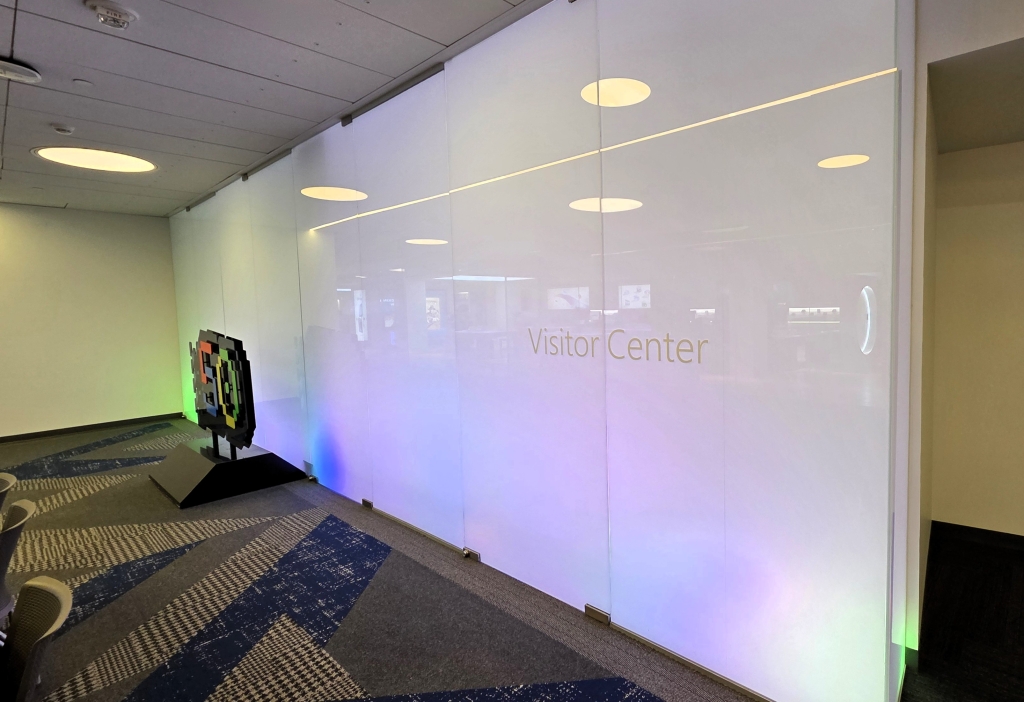
Microsoft Shuts Down Iconic Visitor Center in Major Campus Shift Toward AI-First Experiences
In a move that signals a dramatic transformation of its Redmond headquarters, Microsoft has permanently closed its long-running Visitor Center in Building 92—marking the end of an era for one of the tech giant’s most accessible public-facing spaces.
The closure, confirmed by Microsoft after inquiries from GeekWire, comes as part of a broader reimagining of how the company presents itself to the world. The once-bustling tech showcase, which had welcomed visitors for approximately 15 years, has been sealed off and is now being repurposed across the campus.
“We have recently closed our Visitor Center and are in the process of repurposing its assets across our campus,” a Microsoft spokesperson told GeekWire, offering little detail about the company’s future plans for the space.
A Legacy of Innovation and Public Engagement
The Microsoft Visitor Center wasn’t just another corporate showroom—it was a living museum of technological progress and a bridge between one of the world’s most influential companies and the public it serves. Located in Building 92, the former Eddie Bauer headquarters that Microsoft acquired years ago, the center represented the company’s commitment to transparency and public engagement.
Before settling into Building 92, the Visitor Center occupied space next to Microsoft Studios on the outskirts of the sprawling Redmond campus, evolving over the years to showcase the company’s latest innovations and historical milestones.
The Digital Revolution Claims Another Victim
The Visitor Center’s closure follows closely on the heels of another significant change: the January shutdown of the Microsoft Library, also housed in Building 92. That closure was explicitly tied to Microsoft’s strategic pivot toward “AI-powered digital learning experiences,” suggesting a clear pattern in the company’s evolving approach to knowledge sharing and public engagement.
While the Microsoft Store remains the sole public-facing space in Building 92 for now, the simultaneous disappearance of both the Visitor Center and the library represents a fundamental shift in how Microsoft chooses to interact with the broader community.
From Physical Showcases to Curated Experiences
The timing of the Visitor Center’s closure is particularly telling when viewed against Microsoft’s recent infrastructure investments. Just last year, the company unveiled Experience Center One—a state-of-the-art, four-story building and conference center on its revamped East Campus designed specifically for curated demonstrations of AI solutions to invited customers and dignitaries.
This new facility represents Microsoft’s vision for the future: controlled, high-impact experiences delivered to select audiences rather than open access to the public. Where the Visitor Center offered spontaneous exploration and hands-on interaction with consumer technologies like Windows, Xbox, and Surface devices, Experience Center One delivers carefully orchestrated presentations of cutting-edge AI capabilities.
A Treasure Trove of Tech History
For technology enthusiasts and historians, the Visitor Center’s closure represents the loss of a unique repository of computing history. The space housed remarkable artifacts that told the story of personal computing’s evolution and Microsoft’s central role in that transformation.
Among the most significant pieces was an Altair 8800 computer—the very hobbyist kit that inspired college dropouts Bill Gates and Paul Allen to create their first software product, ultimately launching what would become one of the world’s most valuable companies. This wasn’t just a display piece; it was a tangible connection to the garage-startup origins that continue to define Silicon Valley mythology.
The center also featured an extensive timeline wall tracing Microsoft’s journey from its humble 1975 founding through decades of technological innovation and the company’s massive modern campus renovation. Interactive exhibits showcased Microsoft’s initiatives in sustainability and its AI for Good programs, demonstrating how the company applied its technological prowess to address global challenges.
The Evolution of Corporate Public Relations
The closure reflects a broader trend in how major technology companies manage their public image and engage with communities. In an era where physical retail spaces face existential challenges and digital experiences dominate, Microsoft appears to be betting that controlled, high-value interactions with key stakeholders outweigh the benefits of open public access.
The giant illuminated sphere displaying MSN and later Bing news headlines—a centerpiece of the Visitor Center for many years—symbolized an era when Microsoft sought to impress visitors with the scale and sophistication of its information services. That approach has given way to more targeted demonstrations of artificial intelligence capabilities and enterprise solutions.
What This Means for Microsoft’s Future
Industry analysts suggest the Visitor Center’s closure represents more than just a real estate decision—it signals Microsoft’s confidence in its brand strength and its strategic focus on business-to-business relationships over consumer engagement at the physical level.
By consolidating its public-facing efforts into Experience Center One and maintaining only the Microsoft Store as an open-access point, the company appears to be streamlining its approach to external communication. This strategy allows for more controlled messaging around its AI initiatives while reducing the operational complexity and costs associated with maintaining multiple public spaces.
The repurposing of the Visitor Center’s assets across the campus suggests Microsoft intends to integrate elements of its public engagement strategy into its internal operations, potentially creating more opportunities for employee innovation while maintaining tighter control over how the company’s story is told to external audiences.
As Microsoft continues its aggressive push into artificial intelligence and cloud computing, the closure of this iconic space may be remembered as a symbolic moment—the moment when one of technology’s most visible bridges to the public was replaced by a more selective, AI-focused approach to corporate communication and customer engagement.
Tags & Viral Phrases:
Microsoft Visitor Center closure, Redmond campus transformation, AI-powered learning experiences, Experience Center One, Building 92 Microsoft, tech showcase shutdown, Microsoft Library closure, corporate public engagement, Altair 8800 computer, Bill Gates Paul Allen history, Microsoft historical exhibits, AI for Good initiatives, Surface Xbox Windows demos, technology museum closure, enterprise AI demonstrations, curated customer experiences, Microsoft campus evolution, digital transformation strategy, public tech access ends, Microsoft brand evolution, controlled corporate messaging, employee innovation spaces, technology company public relations, Silicon Valley mythology, personal computing history, Microsoft asset repurposing, selective stakeholder engagement, AI-first corporate strategy, physical retail challenges, technology company evolution, Microsoft public spaces, Redmond Washington tech landmark, corporate transparency shift, Microsoft future vision, technology company communication strategy, AI solutions demonstrations, Microsoft executive meetings, public tech interaction ends, Microsoft campus changes, technology company evolution, corporate storytelling control, Microsoft community engagement, technology company strategy shift, Microsoft brand confidence, business-to-business focus, Microsoft operational streamlining, internal innovation opportunities, artificial intelligence push, cloud computing focus, corporate communication moment, selective engagement approach, technology company future, Microsoft story control, public access reduction, corporate image management, technology company trends, Microsoft strategic pivot, AI capabilities demonstrations, enterprise relationships focus, consumer engagement reduction, controlled messaging strategy, technology company direction, Microsoft campus repurposing, public tech showcase ends, corporate evolution symbol, Microsoft external communication, AI initiative messaging, technology company transformation, Microsoft operational complexity reduction, public space consolidation, technology company public relations evolution, Microsoft stakeholder management, curated demonstration strategy, technology company brand strength, Microsoft communication streamlining, AI-first approach, technology company engagement strategy, Microsoft controlled experiences, public interaction reduction, technology company future direction, Microsoft public engagement evolution, corporate communication modernization, technology company selective access, Microsoft strategic transformation, AI demonstration focus, technology company messaging control, Microsoft brand evolution moment, corporate transparency reduction, technology company public access changes, Microsoft stakeholder focus, AI-powered corporate strategy, technology company communication evolution, Microsoft public space reduction, controlled corporate experiences, technology company future vision, Microsoft engagement consolidation, AI-first corporate communication, technology company public relations transformation, Microsoft brand management, selective technology demonstrations, technology company strategic shift, Microsoft controlled messaging, public tech access evolution, technology company communication strategy, Microsoft future engagement, AI demonstration priority, technology company brand evolution, Microsoft public interaction reduction, corporate communication modernization, technology company stakeholder management, Microsoft controlled experiences strategy, AI initiative focus, technology company public engagement evolution, Microsoft communication streamlining, corporate messaging control, technology company future direction, Microsoft public space consolidation, AI-first corporate strategy, technology company transformation moment, Microsoft brand confidence signal, selective stakeholder engagement strategy, technology company communication evolution, Microsoft controlled messaging approach, public tech showcase closure, corporate transparency shift, technology company future vision, Microsoft strategic pivot moment, AI demonstration priority, technology company brand evolution, Microsoft public interaction reduction, corporate communication modernization, technology company stakeholder management, Microsoft controlled experiences strategy, AI initiative focus, technology company public engagement evolution, Microsoft communication streamlining, corporate messaging control, technology company future direction, Microsoft public space consolidation, AI-first corporate strategy, technology company transformation moment, Microsoft brand confidence signal, selective stakeholder engagement strategy, technology company communication evolution, Microsoft controlled messaging approach.
,

Leave a Reply
Want to join the discussion?Feel free to contribute!