
Microsoft EVP Rajesh Jha retiring after 35 years in latest exit from senior leadership team
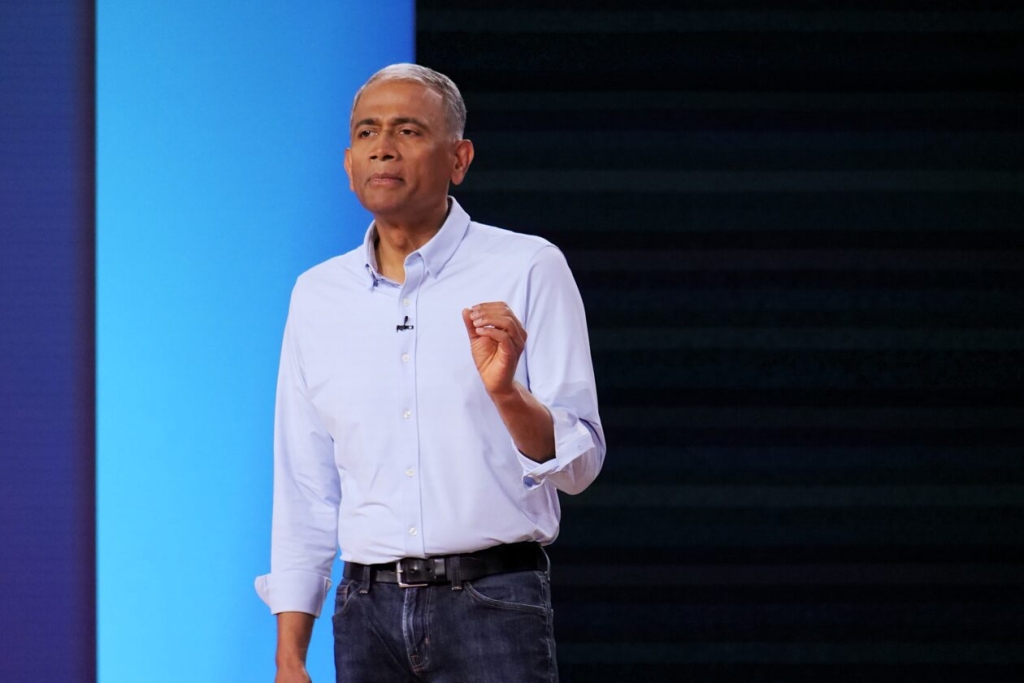
Microsoft Veteran Rajesh Jha to Retire After 35 Years, Reshaping Leadership Team
In a significant leadership transition, Microsoft has announced that Rajesh Jha, a cornerstone of the company’s consumer and enterprise product strategy for over three and a half decades, will retire later this year. The news, shared internally through official communications and subsequently made public, marks the end of an era for one of Microsoft’s most influential architects of modern productivity software.
A Legacy Forged in Code and Strategy
Jha, 60, joined Microsoft in 1990 as a software design engineer, beginning a career that would span nearly the entire lifespan of the modern tech giant. His journey from engineer to executive vice president of the Experiences + Devices group represents one of the most remarkable internal trajectories in Microsoft’s history. Over the years, Jha oversaw some of Microsoft’s most critical product lines, including Exchange, SharePoint, and the transformative launch of Office 365.
When Satya Nadella assumed the CEO role in 2014, Jha was already positioned as one of the company’s most strategic operators. His elevation to the senior leadership team in 2016 placed him at the heart of Microsoft’s cloud-first, mobile-first transformation. Under his stewardship, the Experiences + Devices group grew to encompass Office, Teams, Windows, Search, and devices—essentially the software and hardware that touches hundreds of millions of users daily.
Nadella’s Tribute: “A Constant Throughout My Entire Life at Microsoft”
In his announcement message, Nadella’s praise for Jha was unequivocal and deeply personal. “When I think about the pantheon of leaders who have truly shaped this company, Rajesh stands firmly among them,” Nadella wrote. The CEO described Jha as “a constant throughout my entire life at Microsoft,” emphasizing his operational discipline, strategic judgment, and the commitment that helped build and transform the company.
This isn’t merely corporate rhetoric. Jha’s influence extended far beyond his official titles. He was instrumental in navigating Microsoft through the shift from perpetual software licenses to subscription models, the integration of cloud services into productivity tools, and the company’s aggressive pivot toward AI-powered features across its product suite. His operational excellence became legendary within Microsoft circles, with colleagues describing his ability to execute complex product strategies while maintaining unwavering focus on user experience.
The July 1 Transition and Succession Planning
Jha will formally transition out of his role on July 1, though he’ll remain in an advisory capacity to ensure continuity. This measured approach reflects the thoughtful succession planning that Jha and Nadella have been developing for some time. The transition isn’t just about one person leaving—it’s about Microsoft reimagining how its most critical product groups are organized and led.
The new structure, effective immediately, will see four executives reporting directly to Nadella: Perry Clarke overseeing Microsoft 365 core infrastructure, Charles Lamanna leading business and industry Copilot initiatives, Pavan Davuluri managing Windows and Devices, and LinkedIn CEO Ryan Roslansky. This reorganization represents a significant shift toward a more distributed leadership model, with each executive now bearing direct responsibility for their respective domains.
Promotions Signal Strategic Priorities
Alongside Jha’s departure, Microsoft is elevating several key leaders to new positions of influence. Jeff Teper, who has led collaboration apps including SharePoint and Teams, is being promoted to executive vice president. Sumit Chauhan and Kirk Koenigsbauer are both advancing to president roles, recognizing their contributions to Microsoft’s product ecosystem.
These promotions aren’t merely organizational reshuffling—they signal Microsoft’s strategic priorities for the coming years. Teper’s elevation is particularly noteworthy given Teams’ central role in enterprise communication and collaboration, especially in the post-pandemic hybrid work environment. The company is clearly positioning its collaboration tools as foundational to its future growth strategy.
Part of a Broader Leadership Evolution
Jha’s retirement comes amid a series of high-profile departures from Microsoft’s senior leadership team. In February, Xbox chief Phil Spencer announced his retirement after 38 years at the company, with Asha Sharma named as the new gaming CEO. Security leader Charlie Bell also recently shifted from his executive vice president role to an individual contributor position, with Hayete Gallot returning from Google to lead Microsoft’s security efforts.
These changes collectively represent a significant reshaping of Microsoft’s leadership DNA. Each departure creates space for new perspectives and approaches, while the company simultaneously intensifies its focus on artificial intelligence and Copilot technologies across all product lines. The pattern suggests Nadella is deliberately creating a leadership team aligned with Microsoft’s AI-first vision for the next decade.
The AI Imperative
The timing of these transitions is particularly significant given Microsoft’s massive investments in artificial intelligence, including its partnership with OpenAI and the integration of Copilot features across its product suite. Jha’s group was at the forefront of bringing AI capabilities to Office applications, Windows, and enterprise tools. His departure raises questions about how Microsoft will maintain momentum in AI innovation while managing these leadership transitions.
The new structure, with multiple executives reporting directly to Nadella, suggests a more hands-on approach from the CEO himself regarding AI strategy. This could accelerate decision-making and ensure tighter alignment between Microsoft’s AI initiatives and its core product offerings. However, it also concentrates significant responsibility on Nadella’s shoulders at a time when the competitive landscape in AI is intensifying rapidly.
Industry Impact and Future Implications
For the broader technology industry, Jha’s retirement represents more than just one executive’s career milestone. His tenure coincided with some of the most transformative changes in how people work and interact with technology. From the rise of cloud computing to the mainstreaming of remote collaboration tools, Jha’s fingerprints are on innovations that have reshaped the global workplace.
The succession planning and organizational changes underway at Microsoft will be closely watched by competitors, partners, and investors. How smoothly the transition occurs, and whether the new leadership structure can maintain Microsoft’s innovation velocity, will be critical indicators of the company’s ability to execute its ambitious vision for AI-powered productivity tools.
A Career Defined by Transformation
Looking back at Jha’s 35-year journey, it’s remarkable how consistently he was at the center of Microsoft’s most significant transformations. He joined when the company was primarily a PC software vendor and leaves as it stands as a cloud computing and AI powerhouse. His career arc mirrors Microsoft’s own evolution, making him not just a witness to the company’s history but a principal architect of its modern identity.
As he steps into retirement, the technology world owes Rajesh Jha recognition for his contributions to making productivity software more accessible, collaborative, and intelligent. His legacy will endure in the billions of documents created in Office applications, the millions of meetings conducted on Teams, and the countless workflows that run on Microsoft’s infrastructure every day.
Tags: Microsoft leadership, Rajesh Jha retirement, Satya Nadella, Office 365, Microsoft 365, SharePoint, Teams, Windows, AI Copilot, cloud computing, enterprise software, productivity tools, tech industry leadership, organizational restructuring, succession planning, Microsoft Build, executive transitions
Viral Phrases: “pantheon of leaders,” “constant throughout my entire life,” “operational discipline,” “strategic judgment,” “AI-first vision,” “cloud-first mobile-first,” “transformation architect,” “innovation velocity,” “distributed leadership model,” “AI-powered productivity”
Viral Sentences: “When I think about the pantheon of leaders who have truly shaped this company, Rajesh stands firmly among them.” “Jha embodies the commitment that helped build and transform the company.” “The new structure, with multiple executives reporting directly to Nadella, suggests a more hands-on approach from the CEO himself regarding AI strategy.” “His career arc mirrors Microsoft’s own evolution, making him not just a witness to the company’s history but a principal architect of its modern identity.”
,

Leave a Reply
Want to join the discussion?Feel free to contribute!