
Microsoft Has a Plan to Keep Its Data Centers From Raising Your Electric Bill
Microsoft’s Bold Move: Higher Electricity Rates for Data Centers in Response to Growing Public Backlash
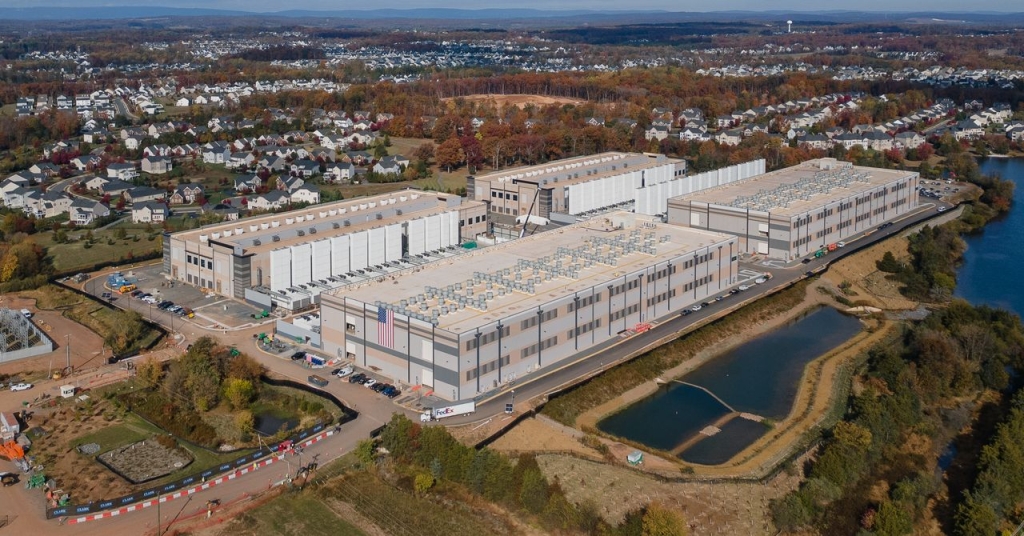
In a groundbreaking announcement that has sent shockwaves through the tech industry, Microsoft has unveiled a series of community-focused initiatives aimed at addressing the mounting concerns surrounding data center development across the United States. Speaking at a high-profile event in Great Falls, Virginia, Microsoft Vice Chair and President Brad Smith directly acknowledged the growing national resistance to data centers, describing it as a “moment in time when we need to listen, and we need to address these concerns head-on.”
The tech giant’s most controversial pledge? Microsoft will now ask public utilities to implement higher electricity rates specifically for data centers—a move that could fundamentally reshape the economics of AI infrastructure development and potentially set a new industry standard.
The Perfect Storm: Data Centers, Electricity Bills, and Political Pressure
The timing of Microsoft’s announcement couldn’t be more critical. Just one day earlier, President Donald Trump took to Truth Social, promising that his administration would work with “major American Technology Companies” to ensure data centers don’t inflate customer utility bills. Trump’s post, which accused Democrats of being responsible for rising utility costs, declared: “Data Centers are key to that boom, and keeping Americans FREE and SECURE but, the big Technology Companies who build them must ‘pay their own way.'”
This political pressure comes as average electricity bills have risen faster than inflation in recent years across many parts of the country. While multiple factors contribute to these increases—including the costly maintenance of America’s aging electric grid—data centers play a significant role. These massive facilities can consume as much electricity as small cities and often require expensive grid upgrades to connect.
The Energy Information Administration projects that electric bills will continue climbing through 2026, with data center demand being a major contributing factor. This economic reality has transformed data centers from an invisible infrastructure concern into a hot-button political issue that influenced several local and state midterm elections last year.
The Data Center Resistance Movement Gains Momentum
Microsoft’s announcement represents a dramatic shift in corporate strategy, acknowledging what industry analysts are calling “the data center resistance movement.” Research released last fall revealed that local opposition to data centers skyrocketed in the second quarter of 2025, resulting in billions of dollars in projects being stalled or canceled.
What makes this resistance particularly noteworthy is its bipartisan nature. While environmental concerns typically align with progressive politics, the data center backlash has attracted support across the political spectrum. Influential former Trump strategist Steve Bannon has begun speaking out against the energy and water costs of data centers on his War Room podcast, positioning himself as part of a larger MAGA pushback against the AI build-out in the US.
Microsoft’s Community-First Approach
Smith’s announcement outlined multiple initiatives designed to position Microsoft as a “good neighbor” in communities where it operates. Beyond the controversial higher electricity rate proposal, the company pledged to:
- Increase transparency about water usage and energy consumption
- Create more local job opportunities through targeted training programs
- Invest in community infrastructure improvements
- Establish regular dialogue with community stakeholders
“When I visit communities around the country, people have questions—pointed questions. They even have concerns,” Smith explained, as a slide behind him displayed headlines from various news outlets about opposition to data centers. “They are the type of questions that we need to heed… We are at a moment of time when people have a lot on their mind. They worry about the price of electricity. They wonder what this big data center will mean to their water supply. They look at this technology and ask, What will it mean for the jobs of the future? What will it mean for the adults of today? What will it mean for their children?”
The Trump Administration’s Conflicting Priorities
Microsoft’s community-focused approach stands in stark contrast to the Trump administration’s aggressive push to expedite data center development nationwide. The administration has systematically removed environmental protections for data centers, including water protections and expedited reviews of chemicals involved in their operations. It has also encouraged development on federal lands and instructed the Department of Energy to accelerate grid interconnections for these facilities.
This regulatory rollback has created a fascinating tension between the federal government’s “drill, baby, drill” approach to AI infrastructure and the growing grassroots resistance at the local level. Microsoft’s announcement suggests that at least some tech companies are choosing to navigate this conflict by prioritizing community relationships over regulatory compliance alone.
Real-World Impact: Projects on Hold and Communities Mobilized
Microsoft’s new stance comes after experiencing firsthand the power of organized community opposition. In October, the company canceled plans for a data center in Caledonia, Wisconsin, due to local resistance. The group leading that opposition had warned of a potential “5 to 15 percent rate hike to subsidize cheap power”—a concern that Microsoft’s new policy directly addresses.
More recently, Microsoft revealed it was behind a proposed project in Michigan that was put on hold in December following community concerns. Hundreds of residents attended a planning commission meeting for the project, with many telling local media they were there to express opposition to the potential impacts on their community.
The Industry-Wide Implications
Microsoft’s announcement could trigger a domino effect throughout the tech industry. As one of the largest data center operators globally, with approximately 100 data centers planned or under construction across the country, Microsoft’s policy shift sends a clear signal that the era of data centers being built with minimal community input may be coming to an end.
Industry analysts suggest that other major tech companies—including Amazon, Google, and Meta—will face increasing pressure to adopt similar community-focused approaches. The question remains whether Microsoft’s voluntary measures will be enough to satisfy growing public demand for accountability, or whether more stringent regulations will eventually be necessary.
Looking Ahead: The Future of Data Center Development
As the United States races to maintain its competitive edge in artificial intelligence and cloud computing, the tension between technological progress and community well-being shows no signs of abating. Microsoft’s announcement represents a significant acknowledgment that sustainable growth in the digital economy requires more than just technological innovation—it demands social license and community trust.
The coming months will reveal whether this new approach can successfully balance the enormous energy demands of the AI revolution with the legitimate concerns of American communities, or whether the data center resistance movement will continue to gain momentum, potentially reshaping the future of tech infrastructure development in the United States.
Tags: Microsoft data center policy, higher electricity rates for data centers, community opposition to tech infrastructure, Brad Smith announcement, data center resistance movement, Trump administration tech policy, AI infrastructure development, utility rate increases, local politics and technology, data center environmental impact, tech industry community relations, energy consumption concerns, grassroots tech activism, bipartisan opposition to data centers, future of cloud computing
Viral Phrases: “Data Centers are key to that boom, and keeping Americans FREE and SECURE but, the big Technology Companies who build them must ‘pay their own way'” – President Donald Trump, “We are at a moment of time when people have a lot on their mind” – Brad Smith, “5 to 15 percent rate hike to subsidize cheap power,” “The data center resistance has arrived,” “Microsoft becomes a ‘good neighbor’ in data center communities,” “Tech giant bows to community pressure,” “The end of the data center gold rush?”
,

Leave a Reply
Want to join the discussion?Feel free to contribute!