
Microsoft, Intel sued for stolen Apple code: Today in Apple history
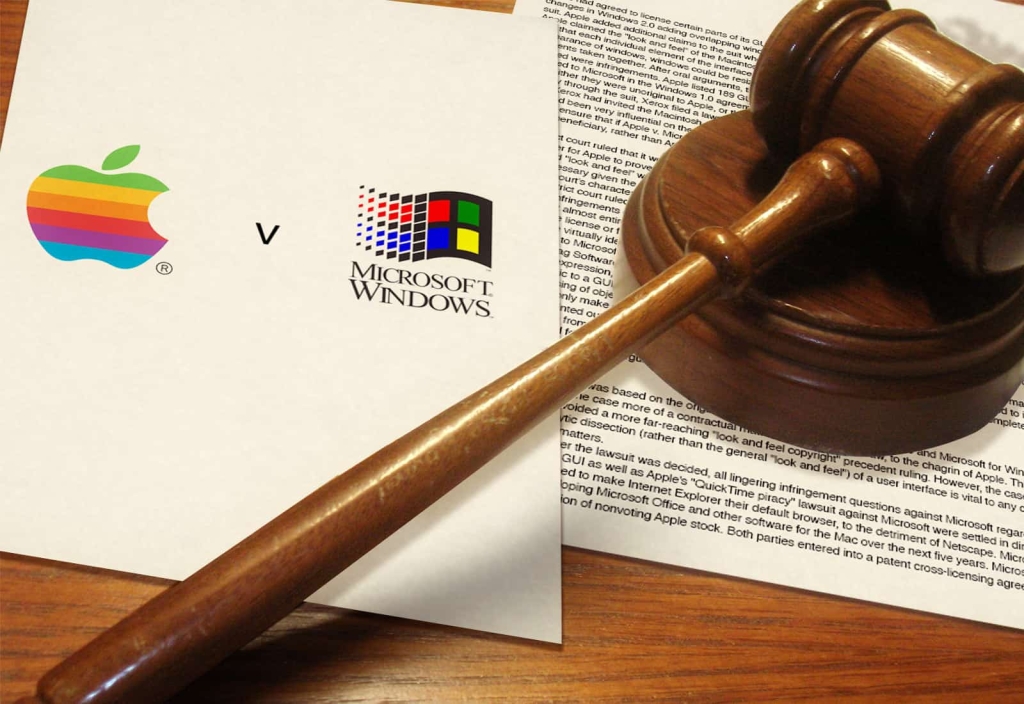
Apple’s Stolen Code Scandal: The Lawsuit That Nearly Toppled Microsoft
On February 14, 1995, a seemingly routine software dispute exploded into one of the most dramatic legal battles in tech history. Apple Computer, already struggling to maintain its foothold in the personal computer market, launched an expanded lawsuit against Microsoft and Intel that threatened to derail Windows 95 and potentially bankrupt the software giant.
The QuickTime Code Theft That Sparked a Tech War
At the heart of the controversy lay Apple’s revolutionary QuickTime software, which had established Cupertino as the undisputed leader in video technology for personal computers. In 1992, Apple had contracted San Francisco Canyon Company to port QuickTime to Windows, resulting in a PC version released that November.
The trouble began when Intel, recognizing the strategic importance of video technology, hired the same developer to improve Microsoft’s competing Video for Windows software suite. Apple’s forensic analysis revealed that the resulting software contained thousands of lines of code originally written for QuickTime under Apple’s contract.
This wasn’t just a case of code reuse—it was industrial espionage on a massive scale. The stolen code gave Microsoft an unfair advantage in the critical multimedia market, where Apple had invested heavily in establishing QuickTime as the industry standard.
Microsoft’s Machiavellian Maneuvering
What could have remained a straightforward intellectual property dispute quickly escalated into something far more sinister. Apple’s lawyers uncovered evidence suggesting Microsoft had deliberately withheld Windows 95 beta versions from Apple unless Cupertino agreed to drop all existing lawsuits.
At the time, Microsoft had distributed the operating system to approximately 40,000 independent software developers, but systematically excluded Apple. This wasn’t merely competitive behavior—it was calculated economic warfare designed to prevent Apple from making Macintosh computers compatible with Windows, thereby crippling Apple’s ability to compete.
The demands Microsoft made were outrageous: not only did they want Apple to abandon its QuickTime lawsuit, but they also insisted Cupertino cancel OpenDoc, its innovative software framework that directly competed with Microsoft’s Object Linking and Embedding technology.
Microsoft spokeswoman Pam Edstrom defended the company’s position with breathtaking arrogance: “Legally, Microsoft is under no obligation to give away beta copies of its software. Microsoft chooses to make prerelease versions of its software widely available to software companies because they offer input that allows Microsoft to improve the product and because their livelihoods depend on Windows. Neither is the case with Apple.”
The Billion-Dollar Threat That Changed Everything
Apple, recognizing the existential threat Microsoft posed, threatened a multibillion-dollar lawsuit that could have crippled the software giant just as it was preparing its most important product launch. Meanwhile, Bill Gates, never one to back down from a fight, threatened to cancel Office for Mac—a move that would have been catastrophic for Apple’s already dwindling market share.
The stakes couldn’t have been higher. Windows 95 represented Microsoft’s bid for total domination of the personal computer market, while Apple teetered on the brink of bankruptcy. A federal judge’s order to stop distributing Video for Windows created chaos in the software industry and forced Microsoft to scramble for a solution.
The Settlement That Saved Both Companies
The resolution came in August 1997, in a deal that would reshape the tech industry. Apple agreed to drop all lawsuits against Microsoft, including the QuickTime code theft case. In return, Microsoft made a series of concessions that were both strategic and symbolic.
Microsoft invested $150 million in non-voting Apple stock—a lifeline that Apple desperately needed as it faced potential bankruptcy within months. The software giant also agreed to continue supporting Macintosh versions of Office, ensuring Apple users wouldn’t be left behind in the productivity software arms race.
Perhaps most controversially, Apple agreed to make Internet Explorer its default browser, a decision that would later be reversed when Safari was introduced. This browser war subplot highlighted the complex interdependencies between the two tech giants, even as they competed fiercely for market dominance.
The Aftermath: How Stolen Code Changed Tech History
The settlement marked a turning point for both companies. Microsoft, having reached the zenith of its 1990s power, would soon face antitrust investigations that would permanently alter its business practices. Apple, meanwhile, used the cash infusion and continued Office support to launch the original iMac, followed by iTunes, iPod, and eventually iPhone—products that would revolutionize multiple industries and establish Apple as the world’s most valuable company.
The stolen QuickTime code case serves as a stark reminder of how intellectual property theft, when combined with monopolistic practices, can shape the technological landscape for decades. It also demonstrates how even the most bitter corporate rivals can find mutually beneficial solutions when survival is at stake.
What began as a dispute over a few thousand lines of code evolved into a complex negotiation that saved Apple from bankruptcy and tempered Microsoft’s monopolistic ambitions. In the high-stakes world of technology, where innovation and imitation often blur, this case remains a defining moment in the ongoing struggle between competition and cooperation.
Tags & Viral Phrases:
- Apple vs Microsoft legal battle
- QuickTime code theft scandal
- Windows 95 beta conspiracy
- Bill Gates threatens Office for Mac
- San Francisco Canyon Company lawsuit
- Intel involved in code theft
- Apple nearly bankrupt saved by Microsoft
- The lawsuit that changed tech history
- How Microsoft stole Apple’s video technology
- The billion-dollar threat that worked
- Apple’s revenge: iMac, iPod, iPhone
- Tech’s most dramatic courtroom showdown
- When stolen code nearly broke Microsoft
- The deal that saved both companies
- From courtroom to boardroom: Apple’s comeback
- How one lawsuit reshaped Silicon Valley
- The code that launched a thousand lawsuits
- Microsoft’s darkest hour in the 90s
- Apple’s legal team vs Bill Gates
- The video technology war nobody saw coming
- When Internet Explorer became Apple’s default
- The $150 million lifeline that changed everything
- How antitrust fears saved Microsoft
- The stolen code that launched the iPhone era
- Tech’s greatest rivalry: resolved in court
- The lawsuit that made Apple great again
- From QuickTime to iPhone: the stolen code connection
- How one developer company sparked a tech war
- The day Apple threatened to destroy Microsoft
,


Leave a Reply
Want to join the discussion?Feel free to contribute!