
Microsoft warns U.S. tech firms to prepare for Chinese AI models fueled by massive state subsidies and low-cost infrastructure
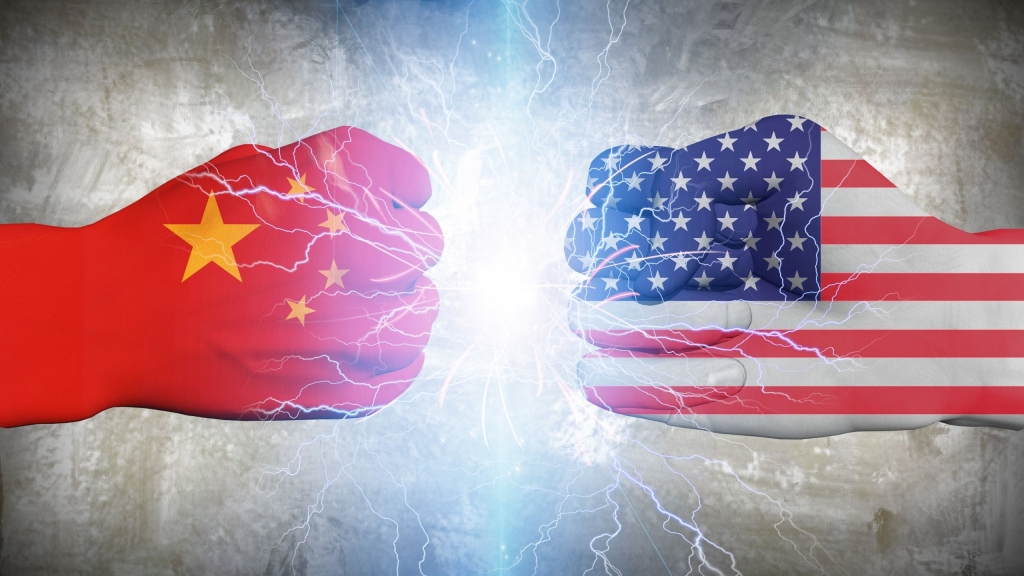
Microsoft President Warns of Rising Chinese AI Competition Amid State Subsidies
In a stark warning to the global tech industry, Microsoft President Brad Smith has raised concerns about the growing influence of Chinese AI companies, which benefit from substantial government backing. Speaking to CNBC, Smith highlighted how state subsidies are enabling Chinese firms to offer lower-cost AI solutions, potentially reshaping the competitive landscape in developing markets worldwide.
The Subsidy Advantage: China’s Strategic Push in AI
Smith drew parallels between China’s current AI strategy and its earlier dominance in telecommunications, where state-backed giants like Huawei and ZTE disrupted global markets. “I do think we always have to think about, maybe even worry a little bit about, Chinese subsidies,” Smith said. “Some American companies disappeared. European companies like Ericsson and Nokia were thrown on the defensive.”
China’s approach includes a multi-billion-dollar national AI fund, energy vouchers to reduce operational costs, and low energy prices in key regions. These measures create a fertile environment for building and operating power-intensive AI infrastructure, giving Chinese firms a significant edge in scalability and affordability.
Global Expansion Through Strategic Partnerships
Chinese AI companies are rapidly expanding their international footprint, often leveraging partnerships rather than building wholly owned data centers abroad. For example, Alibaba provides cloud-based AI services across multiple regions while collaborating with local infrastructure providers. This strategy allows Chinese firms to tap into existing ecosystems, reducing costs and accelerating deployment.
Smith emphasized that these partnerships, combined with government support, could give Chinese companies a cost advantage in deploying AI models at scale. “Existing Chinese data centers worldwide could be leveraged with government support,” he noted, underscoring the potential for a “China tech sphere” to dominate emerging markets over the next five to ten years.
Microsoft’s Counter-Strategy: A $50 Billion Investment
In response to this growing competition, Microsoft is doubling down on its own AI initiatives. The company plans to invest $50 billion by 2030 in developing countries, focusing on infrastructure development, training programs, and scalable AI tools designed to enhance local productivity. Smith argued that American companies must leverage their advantages, including access to high-performance chips and cutting-edge technology, to maintain influence in global AI markets.
The Affordability Factor: A Key Driver in Developing Nations
For governments and companies in developing nations, cost efficiency often outweighs national origin when choosing AI tools. Chinese AI models, with their lower price points, are particularly appealing in regions where affordability is a priority. This dynamic could accelerate the adoption of Chinese technologies, further solidifying their presence in these markets.
The Road Ahead: A Battle for Global AI Dominance
As the race for AI supremacy intensifies, the stakes are higher than ever. Smith’s warning serves as a call to action for American and European tech companies to innovate and compete effectively. Meanwhile, Microsoft’s aggressive investment strategy aims to counter the subsidy-driven advantage of Chinese firms, ensuring that the U.S. remains a key player in the global AI landscape.
The coming years will likely see a fierce battle for dominance in AI, with affordability, scalability, and government support playing pivotal roles. As Smith aptly put it, “We have to compete with that, and we have to be good at competing with that, with the support of our governments.”
Tags & Viral Phrases:
- Chinese AI subsidies
- Microsoft vs. China in AI
- State-backed tech dominance
- Global AI competition
- Developing nations and AI adoption
- Brad Smith warns of Chinese AI
- $50 billion AI investment
- Huawei and ZTE’s legacy
- AI affordability in emerging markets
- China’s tech sphere expansion
- Microsoft’s AI strategy
- US vs. China in tech race
- AI infrastructure and subsidies
- Global AI market dynamics
- Chinese AI models vs. US rivals
- Tech rivalry intensifies
- AI tools for productivity
- Government support in tech
- Chinese AI partnerships
- Future of global AI
,
Leave a Reply
Want to join the discussion?Feel free to contribute!