
Microsoft’s DXGKRNL Driver Updated For Linux – Many Changes After Four Years
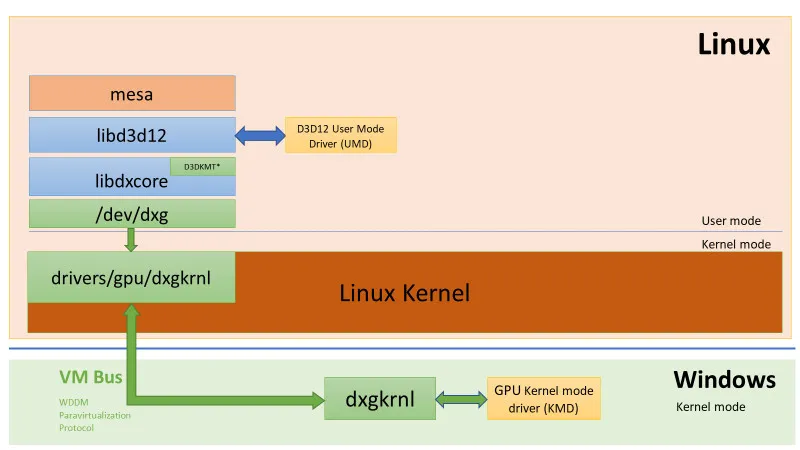
Microsoft’s DXGKRNL Driver Returns to Linux Kernel with Major v4 Update After Four-Year Hiatus
In a surprising move that has sent ripples through both the open-source and gaming communities, Microsoft has released the fourth major iteration of its DirectX Graphics Kernel (DXGKRNL) driver patches for the Linux kernel. This unexpected update, which arrived on the Linux Kernel Mailing List (LKML) on March 19, 2025, marks the first significant development in this project since 2022 and comes nearly four years after the last public version was posted.
The DXGKRNL driver, originally developed by Microsoft to support DirectX graphics adapters within the Windows Subsystem for Linux (WSL) environment, has been a controversial topic in the Linux community since its inception. The driver was designed to allow Linux applications running through WSL2 to access DirectX graphics capabilities on Windows host systems, essentially bridging the gap between Microsoft’s gaming ecosystem and Linux’s open-source world.
A Rocky History with the Linux Community
From the very beginning, the DXGKRNL project faced significant skepticism from Linux kernel developers and maintainers. The primary concern centered around the fact that while the driver itself was open-source, its practical utility was limited to closed-source usage within Microsoft’s Windows environment. This created a philosophical tension with the Linux community’s core values of open, transparent, and universally beneficial software development.
The initial version of the driver, which began development several years ago, struggled to gain traction within the mainline Linux kernel. Critics argued that dedicating kernel resources to a driver that primarily benefited Microsoft’s proprietary ecosystem was counterproductive to Linux’s open-source mission. The debate intensified as Microsoft continued to refine and update the driver, with each new version facing similar scrutiny and resistance from kernel maintainers.
What’s New in DXGKRNL v4?
The latest version of the DXGKRNL patches brings several significant improvements and new features that extend beyond the original gaming-focused use cases. Perhaps most notably, the v4 update introduces support for compute-only adapters, a feature that opens up entirely new possibilities for artificial intelligence and machine learning workloads within WSL2 environments.
This compute-only adapter support is particularly significant as it allows the driver to interface with AI accelerators and machine learning hardware that may not have traditional graphics rendering capabilities. This expansion of functionality suggests that Microsoft is positioning the DXGKRNL driver as a more general-purpose computing interface rather than solely a graphics solution.
Additional improvements in the v4 release include DMA fence and sync file integration, which enhances the driver’s ability to manage memory operations and synchronization between the Windows host and Linux guest environments. The update also exposes new Direct3D functions, implements pin-user-pages for DMA-accessible memory, and includes various synchronization and memory management fixes.
Technical Deep Dive
The DXGKRNL v4 patches represent a substantial codebase update, with Microsoft’s engineers implementing numerous optimizations and bug fixes alongside the new features. The driver now includes improved memory management capabilities, allowing for more efficient data transfer between the Windows host and Linux guest systems. This is particularly important for applications that require high-bandwidth data movement, such as video processing, scientific computing, and real-time graphics rendering.
The synchronization improvements in v4 address several long-standing issues related to timing and coordination between the host and guest operating systems. These changes should result in more stable performance for applications that rely on precise timing, such as games and professional graphics software.
Community Reaction and Future Prospects
The release of DXGKRNL v4 has reignited discussions within the Linux community about the role of proprietary ecosystem support in open-source development. While some developers remain skeptical about the driver’s upstream potential, others acknowledge that Microsoft’s continued investment in Linux compatibility represents a significant shift in the company’s approach to open-source software.
The compute-only adapter support, in particular, has generated interest among developers working on AI and machine learning projects. This feature could potentially make WSL2 a more attractive platform for developers who need to work with both Windows-based tools and Linux-based AI frameworks, effectively creating a more unified development environment.
Industry Implications
Microsoft’s continued development of the DXGKRNL driver reflects the company’s broader strategy of embracing Linux and open-source technologies while maintaining its Windows ecosystem. This approach aligns with Microsoft’s increasing focus on cloud computing and cross-platform development tools, where Linux plays a crucial role.
The evolution of DXGKRNL from a gaming-focused driver to a more general-purpose computing interface mirrors the growing convergence of graphics processing, artificial intelligence, and high-performance computing. As these domains increasingly overlap, drivers that can effectively bridge different operating system environments become more valuable.
Looking Ahead
As the DXGKRNL v4 patches undergo review by the Linux kernel community, several questions remain unanswered. Will this version finally gain enough support for inclusion in the mainline kernel? How will the Linux community respond to the expanded compute-only adapter functionality? And what does this continued development say about the future of cross-platform computing?
The next few months will be crucial as kernel maintainers evaluate the technical merits of the v4 patches and consider their broader implications for the Linux ecosystem. Regardless of the outcome, Microsoft’s persistence with this project demonstrates the company’s commitment to improving Linux compatibility, even in areas that may not align perfectly with traditional open-source principles.
Tags and Viral Elements:
DXGKRNL, DirectX, Linux Kernel, Microsoft WSL, AI accelerators, machine learning, compute-only adapters, DMA fence, sync file integration, Direct3D, pin-user-pages, open-source controversy, cross-platform development, gaming on Linux, Windows Subsystem for Linux, kernel driver, tech industry drama, Microsoft vs Linux community, AI computing revolution, virtualization breakthrough, gaming ecosystem bridge, Linux kernel mailing list, tech surprise update, four-year development cycle, proprietary ecosystem support, high-performance computing, graphics processing, memory management, synchronization improvements, cloud computing strategy, open-source philosophy debate, compute graphics convergence, professional graphics software, video processing, scientific computing, real-time rendering, unified development environment, Linux compatibility, mainline kernel inclusion, tech community reaction, industry implications, future of cross-platform computing, kernel maintainer evaluation, technical merits assessment, Linux ecosystem impact, Microsoft’s open-source journey, gaming and AI integration, hardware acceleration, virtualization technology, operating system bridge, developer tools evolution, enterprise computing, software development trends, technology convergence, digital transformation, computing paradigms, hardware-software integration, performance optimization, system architecture, software engineering, IT infrastructure, technological innovation, digital ecosystem, computing platforms, software compatibility, hardware abstraction, system resources, memory bandwidth, data transfer efficiency, timing precision, stability improvements, bug fixes, code optimization, software maintenance, version control, patch development, review process, community feedback, technical documentation, developer relations, software lifecycle, technology adoption, market dynamics, competitive landscape, strategic positioning, business implications, user experience, application performance, system integration, compatibility layers, abstraction interfaces, driver development, kernel space programming, user space interaction, system calls, hardware interfaces, software interfaces, protocol implementation, standard compliance, interoperability, platform independence, technology standards, industry standards, open standards, proprietary standards, technology licensing, intellectual property, software patents, copyright considerations, legal implications, regulatory compliance, ethical considerations, social impact, environmental impact, sustainability, energy efficiency, power management, thermal considerations, hardware requirements, system requirements, deployment scenarios, use cases, application scenarios, implementation strategies, migration paths, upgrade considerations, backward compatibility, forward compatibility, versioning strategies, release management, quality assurance, testing methodologies, performance testing, compatibility testing, security considerations, vulnerability assessment, threat modeling, risk management, incident response, disaster recovery, business continuity, operational excellence, service level agreements, performance metrics, monitoring and observability, debugging tools, diagnostic capabilities, troubleshooting guides, knowledge bases, community support, professional services, training and certification, documentation standards, technical writing, content strategy, information architecture, user assistance, help systems, online resources, forums and communities, social media engagement, influencer marketing, content marketing, thought leadership, brand awareness, market positioning, competitive analysis, SWOT analysis, market research, user research, persona development, customer journey mapping, user experience design, interface design, interaction design, visual design, usability testing, accessibility considerations, inclusive design, universal design, design systems, component libraries, style guides, design principles, design patterns, best practices, design thinking, creative process, innovation methodology, research and development, product development, agile methodology, scrum framework, kanban methodology, lean principles, continuous improvement, process optimization, workflow management, project management, program management, portfolio management, strategic planning, business strategy, competitive strategy, growth strategy, market entry strategy, expansion strategy, diversification, innovation strategy, technology strategy, digital strategy, transformation strategy, change management, organizational development, human resources, talent acquisition, employee engagement, organizational culture, leadership development, performance management, compensation and benefits, workplace policies, regulatory compliance, corporate governance, risk management, internal controls, audit processes, financial management, budgeting, forecasting, financial analysis, investment decisions, capital allocation, cost management, pricing strategies, revenue optimization, profitability analysis, financial reporting, investor relations, shareholder communications, corporate communications, public relations, media relations, crisis communications, brand management, reputation management, stakeholder engagement, community relations, corporate social responsibility, sustainability initiatives, environmental stewardship, social impact, governance frameworks, ethical business practices, transparency, accountability, integrity, trust, credibility, reliability, quality, excellence, professionalism, expertise, knowledge sharing, collaboration, teamwork, partnership, alliance, ecosystem development, network effects, platform economics, value creation, value proposition, customer value, stakeholder value, shared value, sustainable value, long-term value, strategic value, tactical value, operational value, financial value, economic value, social value, environmental value, cultural value, intellectual value, knowledge value, human value, relationship value, network value, system value, emergent value, intrinsic value, instrumental value, subjective value, objective value, perceived value, realized value, potential value, kinetic value, static value, dynamic value, linear value, nonlinear value, simple value, complex value, tangible value, intangible value, direct value, indirect value, immediate value, delayed value, certain value, uncertain value, quantifiable value, unquantifiable value, measurable value, immeasurable value, comparable value, unique value, differentiated value, competitive value, strategic value, tactical value, operational value, financial value, economic value, social value, environmental value, cultural value, intellectual value, knowledge value, human value, relationship value, network value, system value, emergent value, intrinsic value, instrumental value, subjective value, objective value, perceived value, realized value, potential value, kinetic value, static value, dynamic value, linear value, nonlinear value, simple value, complex value, tangible value, intangible value, direct value, indirect value, immediate value, delayed value, certain value, uncertain value, quantifiable value, unquantifiable value, measurable value, immeasurable value, comparable value, unique value, differentiated value, competitive value.
,


Leave a Reply
Want to join the discussion?Feel free to contribute!