
Mind-altering substances are (still) falling short in clinical trials
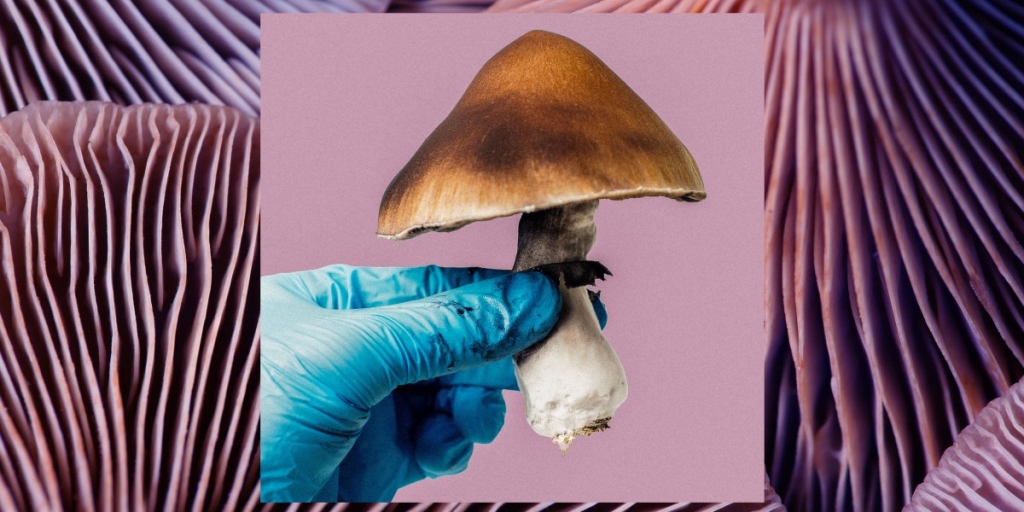
Psychedelic Drug Trials: How the Placebo Effect May Be Distorting Results
A growing body of evidence suggests that the placebo effect in psychedelic drug trials may be significantly distorting the perceived efficacy of these substances, raising questions about the validity of early-stage research in this field.
According to recent analyses, while traditional antidepressant drug trials typically see placebo groups improve by approximately eight points on standard symptom scales, placebo groups in psychedelic trials show only about four points of improvement. This smaller baseline effect can create what researchers call an “illusion” of greater drug efficacy than actually exists.
“If the active drug similarly improves symptoms by around 10 points, that makes it look as though the psychedelic is improving symptoms by around six points compared with a placebo,” explains Dr. Balázs Szigeti, a researcher studying psychedelic drug trials. “This gives the illusion of a huge effect.”
This statistical quirk has led to intense media coverage and academic interest in small-scale psychedelic trials, even when results are inconclusive. Many of these studies have been published in prestigious journals, accompanied by enthusiastic press releases and extensive media coverage. The phenomenon raises questions about whether similar studies investigating other drug classes would receive comparable attention.
“Yeah, nobody would care,” Szigeti agrees when asked about the disparity in attention between psychedelic research and other pharmaceutical studies.
The disproportionate focus on psychedelic research stems from multiple factors. Mental health professionals are eager for innovative treatments, given that psychiatry has seen limited therapeutic breakthroughs over the past four decades since the development of selective serotonin reuptake inhibitors (SSRIs). The field has been constrained by established theories and approaches, creating a hunger for novel interventions.
However, the fascination with psychedelics goes beyond their potential therapeutic applications. “Psychedelics are cool,” Szigeti notes. “Culturally, they are exciting.” This cultural cachet contributes to the intense interest in the field, regardless of the actual scientific merit of individual studies.
The concern about overhyped psychedelics extends to potential risks for vulnerable individuals who might engage in self-experimentation based on preliminary findings. Some researchers worry that the public perception of psychedelics as universal remedies for mental health conditions could lead to dangerous misunderstandings about their safety and efficacy.
Interestingly, Szigeti offers a counterintuitive perspective on the role of hype in psychedelic research. Given the well-documented power of the placebo effect, he suggests that positive expectations might actually enhance treatment outcomes. “The placebo response is the expectation of a benefit,” he explains. “The better response patients are expecting, the better they’re going to get.”
This raises a provocative question: Could tempering the hype surrounding psychedelics actually reduce their effectiveness? If patients expect less benefit, might they actually experience less benefit, regardless of the pharmacological properties of the substances themselves?
The implications of this research extend beyond psychedelics to the broader field of psychiatric drug development. It highlights the complex relationship between patient expectations, research methodology, and treatment outcomes. As the field continues to evolve, researchers and clinicians will need to carefully consider how to balance scientific rigor with the psychological factors that influence treatment success.
The debate surrounding psychedelic research methodology reflects larger questions about how we evaluate new treatments in psychiatry. As interest in these substances continues to grow, ensuring that research methods are robust and that results are interpreted accurately becomes increasingly critical for both scientific understanding and patient care.
Tags:
placebo effect, psychedelic trials, mental health, drug efficacy, psychiatric research, clinical trials, antidepressants, psychedelic hype, research methodology, patient expectations
Viral phrases:
illusion of effect, nobody would care, psychiatry is hemmed in, psychedelics are cool, cure-alls for mental-health disorders, self-experimentation, overhyped psychedelics, expectation of benefit, tempering the hype, better they’re going to get
,


Leave a Reply
Want to join the discussion?Feel free to contribute!