
Missile Attacks Are Overwhelming the Gulf. Delivery Drivers Are Still on the Roads
Title: Amid Missile Attacks, Delivery Drivers Keep Working—But at What Cost?
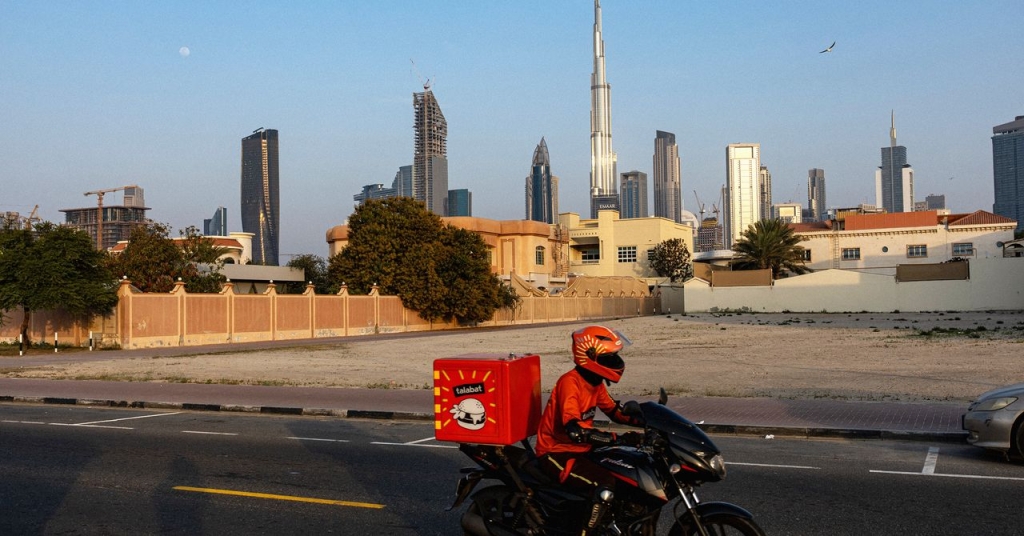
In cities across the Middle East, a quiet but vital workforce is keeping life running under extraordinary circumstances. While sirens wail and missile alerts flash across smartphones, delivery drivers for platforms like Uber Eats, Deliveroo, and Careem continue to navigate chaotic streets, ensuring that food, medicine, and daily essentials reach people sheltering at home. These workers, often overlooked in times of crisis, have become the unseen backbone of modern urban survival.
Uber’s delivery model is straightforward: drivers are paid per pickup, per drop-off, and per mile, with some cities adding a per-minute rate. Tips from customers can also boost earnings. But this structure means that refusing an order—no matter how dangerous the situation—directly impacts a driver’s income. For many, especially those from migrant communities working long hours to support families back home, the choice between safety and survival is not really a choice at all.
One Deliveroo driver in the region reported that he had not received any safety guidelines or advice from the company regarding ongoing missile and drone strikes. This lack of communication leaves workers to assess risks on their own, often without the support or resources they need. While companies like Careem have noted a surge in demand for pantry staples such as water, rice, pasta, and fresh produce, the human cost of meeting that demand is rarely discussed.
The United Nations’ International Labour Organization (ILO) classifies delivery drivers as essential workers, emphasizing their crucial role in ensuring access to food, medicine, and other necessities—especially during crises. This designation became especially prominent during the Covid-19 pandemic in 2020, when social distancing and quarantines made e-commerce indispensable. Transport drivers were officially deemed essential, and many countries created lists of services that had to remain operational.
According to the ILO, most nations included activities that safeguard access to food, water, electricity, sanitation, healthcare, and public order. “The provision of such goods and services, however, implied that other activities came into the fold given their involvement in such provision,” the organization noted. That includes the often invisible labor of delivery app drivers.
While the term “essential worker” gained widespread recognition during the 2020 pandemic, the concept is far from new. Centuries ago, during the plague outbreaks in Europe, certain jobs—like grave digging—were considered vital to societal function. During the Spanish Flu, rice farming was prioritized to prevent famine. In today’s world, being “essential” means keeping supply chains moving, maintaining a sense of normalcy, and preventing panic buying or empty shelves.
Yet, the risks are disproportionately borne by migrant workers, who make up a significant portion of the delivery workforce in the Gulf and beyond. These individuals often work without health insurance, job security, or even basic safety protocols during times of conflict. Their labor allows others to stay home and stay safe, but who is looking out for them?
As missile attacks continue to disrupt daily life, the resilience of these workers is both admirable and alarming. They are not just delivering food—they are delivering stability, continuity, and a fragile sense of normalcy in the face of chaos. But at what point does the cost of that stability become too high?
Tags: delivery drivers, essential workers, Uber Eats, Deliveroo, Careem, missile attacks, Middle East, migrant workers, gig economy, pandemic, Covid-19, safety guidelines, supply chain, food delivery, crisis response, labor rights, urban survival, drone strikes, social distancing, e-commerce, UN ILO, public health, frontline workers, economic resilience
Viral Sentences:
- “While sirens wail, delivery drivers keep the city alive.”
- “Refusing an order means losing income—no matter the danger.”
- “Essential workers keep shelves stocked, but who keeps them safe?”
- “Migrant workers bear the brunt of crisis labor—again.”
- “Food delivery in a war zone: the new normal?”
- “No safety guidelines, no choice—just survival.”
- “The unseen heroes of urban chaos.”
- “Delivery apps: convenience at the cost of frontline risk.”
- “When staying home isn’t an option, someone else delivers.”
- “Centuries of essential work, still without essential protections.”
,

Leave a Reply
Want to join the discussion?Feel free to contribute!