
Moltbot briefly becomes the internet’s favorite AI chatbot after chaotic rebrand
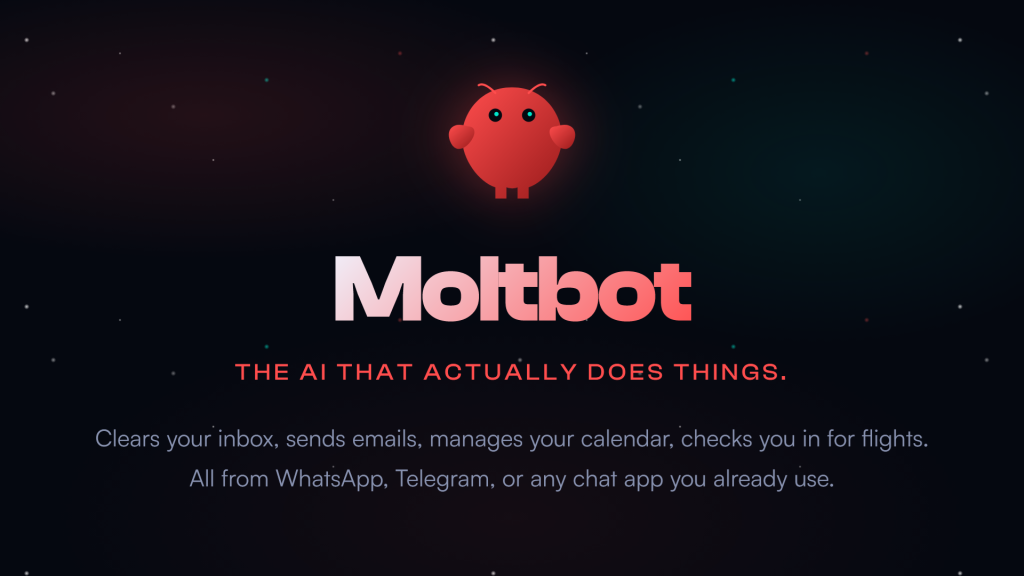
Moltbot: The Open-Source AI Assistant That Sparked Trademark Chaos and Crypto Scams
In a whirlwind of rebranding drama, trademark disputes, and opportunistic scams, the open-source AI assistant Clawdbot has emerged as Moltbot—a tool that promises to revolutionize how we interact with artificial intelligence in our daily lives. What began as a promising side project quickly escalated into a viral sensation, capturing the attention of AI researchers, investors, and tech enthusiasts worldwide. But the journey hasn’t been without its fair share of chaos.
The Rise of Clawdbot
Clawdbot, the original name of this innovative AI assistant, was the brainchild of Austrian engineer Peter Steinberger. Designed to operate seamlessly within messaging apps like WhatsApp, Telegram, Discord, iMessage, and Slack, Clawdbot aimed to bring the concept of an “AI agent” to the masses. Unlike traditional chatbots, Clawdbot was built to integrate deeply into users’ digital lives, offering personalized assistance that could remember preferences, track habits, and automate tasks across multiple platforms.
The project quickly gained traction, amassing tens of thousands of GitHub stars and earning praise from high-profile figures in the AI community. Its appeal lay in its simplicity and practicality—users could interact with Clawdbot using natural language, and it would handle everything from summarizing inboxes to organizing notes and generating reports. For many, it represented a glimpse into the future of personal automation.
The Trademark Tussle
However, the project’s rapid rise to fame caught the attention of Anthropic, the company behind the popular AI chatbot Claude. Anthropic raised concerns that the name “Clawdbot” was too similar to their own product, potentially leading to trademark infringement. Faced with the possibility of legal action, Steinberger made the decision to rebrand the project.
In a move that would set off a chain reaction of chaos, Steinberger announced the name change to “Moltbot” in the middle of the night. The new name, inspired by the molting process of lobsters, was meant to symbolize transformation and growth. But the hasty rebranding would soon prove to be a double-edged sword.
The Chaos Unleashed
Within seconds of the announcement, the digital world descended into pandemonium. Bots and opportunists pounced on the abandoned social media handles associated with Clawdbot, snatching them up before Steinberger could secure them. Meanwhile, a fake cryptocurrency called “$CLAWD” appeared out of nowhere, riding the wave of the project’s sudden fame. The token’s market cap soared to comical heights before crashing just as quickly, leaving investors in the lurch.
Scam accounts claiming to be part of Moltbot’s engineering team began circulating, further muddying the waters. To make matters worse, a widely shared image of a lobster with a human face—created when Steinberger jokingly asked Moltbot to “age up” its mascot—was mistaken for the real thing by many. The image went viral, adding to the confusion and chaos surrounding the rebrand.
The Appeal of Moltbot
Despite the tumultuous rebranding process, Moltbot’s core appeal remains intact. At its heart, Moltbot is designed to be an AI assistant that integrates seamlessly into the tools and platforms users already rely on. It runs locally, allowing users to choose their preferred AI model, and communicates via standard messaging apps. This approach sets it apart from traditional chatbots, which often feel disconnected from users’ daily workflows.
Moltbot’s ability to maintain a long-term record of user preferences, projects, and conversation history is one of its standout features. For example, if you mention wanting to start a diet, Moltbot will remember and follow up with you later. If you ask it to track a habit, it will remind you consistently. This level of personalization and persistence is what makes Moltbot feel more like a true digital assistant than a simple chatbot.
The tool’s integration capabilities are another major selling point. Moltbot can interact with third-party apps, allowing users to automate tasks like summarizing inboxes, filing documents, organizing notes, generating reports, and setting reminders for deadlines. For those juggling multiple projects across different platforms, Moltbot offers a unified solution that streamlines their digital lives.
The Future of AI Agents
Moltbot’s rise to prominence is a testament to the growing demand for AI agents—tools that can actively maintain calendars, prioritize messages, and coordinate digital lives. While big tech companies like OpenAI and Google have been publicly discussing the concept of AI agents, Moltbot is one of the first real-world examples that the public can interact with.
However, Moltbot is not without its risks. Because the AI can, with permission, control parts of a user’s computer and access sensitive personal data, caution is advised. Users should thoroughly vet any third-party plugins before installing them to avoid potential security vulnerabilities.
For now, Moltbot remains more of a harbinger of things to come than a tool for widespread adoption. Its technical requirements and the need for local deployment mean that it may not be accessible to all users. Nonetheless, it offers a tantalizing glimpse into a future where digital assistants are not just reactive but proactive, taking on the role of personal organizers and task managers.
Conclusion
The story of Moltbot is one of innovation, chaos, and resilience. From its humble beginnings as Clawdbot to its tumultuous rebranding and the ensuing scams, the project has captured the imagination of the tech world. While the journey has been far from smooth, Moltbot’s potential to redefine how we interact with AI remains undeniable.
As the project continues to evolve, it will be fascinating to see how Moltbot navigates the challenges of scaling, security, and user adoption. For now, it stands as a bold experiment in the future of personal automation—a future where AI assistants are not just tools but trusted companions in our digital lives.
Tags and Viral Phrases
- Moltbot
- Clawdbot
- AI assistant
- Open-source AI
- Trademark chaos
- Crypto scams
- Anthropic
- Claude
- Peter Steinberger
- AI agents
- Personal automation
- Messaging apps
- Telegram
- Discord
- iMessage
- Slack
- GitHub stars
- AI researchers
- Investors
- Digital life
- Local AI
- AI models
- Third-party apps
- Scrappy project
- Meme potential
- Security risks
- TechRadar
- Google News
- TikTok
- WhatsApp updates
- Business laptops
- Tech deals
- Breaking news
- Reviews
- Opinion
- Unboxings
- Expert news
- Comparisons
- Lobster mascot
- Digital slapstick
- Opportunistic scams
- Trademark infringement
- Legal action
- Hasty rebranding
- Abandoned social handles
- Fake cryptocurrency
- Market cap
- Scam accounts
- Engineering team
- Viral sensation
- Tech community
- Future of AI
- Proactive assistants
- Personal organizers
- Task managers
- Innovation
- Resilience
- Scaling challenges
- User adoption
- Bold experiment
- Trusted companions
- Digital workflows
- Personalized assistance
- Long-term memory
- Habit tracking
- Deadline reminders
- Unified solution
- Tech world
- Evolution of AI
- Digital assistants
- Trusted companions
,


Leave a Reply
Want to join the discussion?Feel free to contribute!