
More dog breeds found to have high risk of breathing condition
Beyond Bulldogs: New Study Reveals Hidden Breathing Crisis in Popular Dog Breeds
Cambridge researchers sound alarm as breathing disorders found in far more breeds than previously thought
A groundbreaking new study from the University of Cambridge has sent shockwaves through the dog-loving community, revealing that serious breathing disorders are affecting a dramatically wider range of breeds than anyone realized. The research, published in a leading veterinary journal, shows that the beloved flat-faced dogs we’ve welcomed into our homes are suffering in silence from a condition that’s robbing them of their ability to simply breathe normally.
“This isn’t just about Frenchies and pugs anymore,” warns lead researcher Francesca Tomlinson, whose team studied nearly 900 dogs across 14 different breeds. “We’re looking at a much bigger problem that’s been hiding in plain sight.”
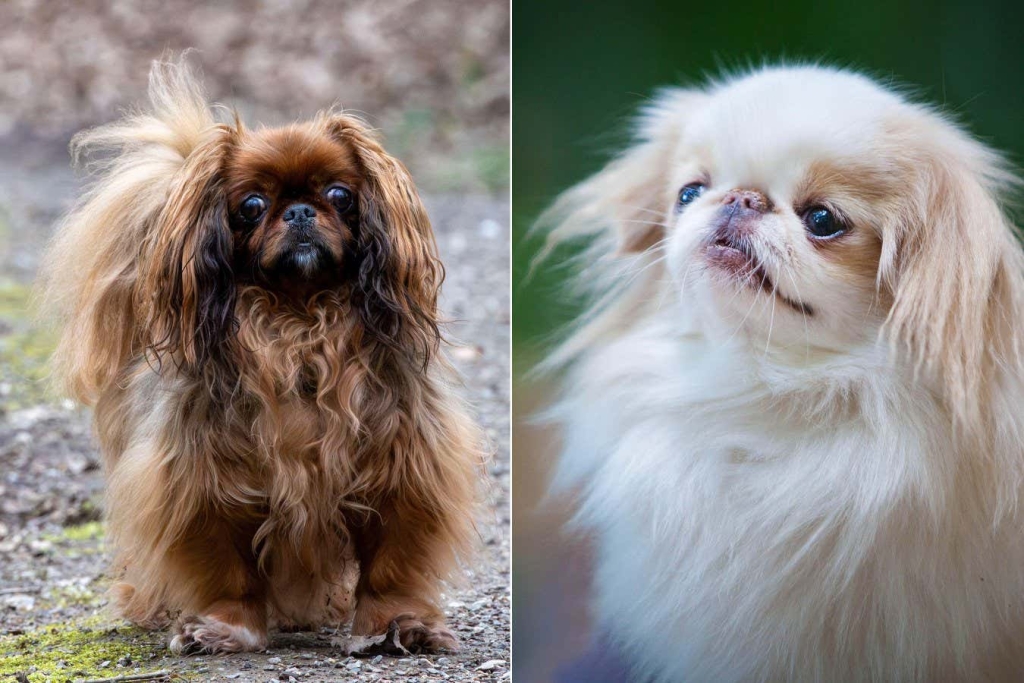
The study examined breeds ranging from the tiny Chihuahua to the massive Dogue de Bordeaux, and what they found was deeply concerning. While English bulldogs, French bulldogs, and pugs have long been known to suffer from brachycephalic obstructive airway syndrome (BOAS), the research uncovered that breeds like the Pekingese and Japanese chin are experiencing an even higher rate of the condition—with a staggering over 80% of dogs affected.
Five additional breeds showed moderate risk levels, with half to three-quarters of dogs experiencing breathing difficulties: the cavalier King Charles spaniel, shih tzu, Griffon Bruxellois, Boston terrier, and Dogue de Bordeaux. The only breeds that escaped the crisis were the Maltese and Pomeranian.
What makes this study particularly alarming is that it challenges our fundamental understanding of which dogs are at risk. “People think they’re being responsible by avoiding the obvious flat-faced breeds, but they’re still walking into a minefield,” Tomlinson explains. “The cute, wrinkly face that makes these dogs so popular is actually a ticking time bomb for their health.”
The research identified three primary culprits behind the breathing crisis: obesity, narrowed nostrils, and extreme facial flatness. But here’s where it gets really interesting—the team discovered that other physical traits, like very short or screw tails, might also be connected to the breathing problems. “It’s not simply about how flat their faces are,” Tomlinson notes. “There’s a complex web of anatomical changes that are working together to make it harder for these dogs to breathe.”
For dog owners, this means a complete rethinking of what responsible pet ownership looks like. “You need to look beyond the breed name and examine the degree of exaggeration in physical traits,” Tomlinson advises. “A slightly less flat-faced pug might be a much healthier choice than one with an extremely compressed snout.”
The implications extend far beyond individual pet owners. Veterinarians are calling for a fundamental shift in how we approach dog breeding. “We’re essentially designing dogs that can’t breathe properly,” says Anna Quain from the University of Sydney. “It’s like building a car without a radiator and then being surprised when it overheats.”
Paul McGreevy, also from Sydney, puts it even more bluntly: “For these dogs struggling to get enough oxygen, breed labels are irrelevant. Whether you call it a bulldog cross or a Pekingese, the suffering is the same.”
The study has sparked intense debate about the ethics of breeding dogs for appearance over health. Critics argue that the current system prioritizes human aesthetic preferences over animal welfare, creating generations of dogs that suffer from chronic oxygen deprivation and heat stress.
But there’s hope on the horizon. The researchers emphasize that change is possible. “This isn’t about eliminating beloved breeds,” Tomlinson stresses. “It’s about breeding for moderation rather than extremes, and making decisions that prioritize a dog’s ability to live a normal, healthy life.”
The study’s methodology, while groundbreaking, has faced some scrutiny. McGreevy points out that the assessment relies partly on subjective listening to breathing sounds, though Tomlinson defends the approach, noting that it follows standardized protocols and incorporates objective criteria.
What does this mean for you if you’re thinking about getting a dog? The message is clear: do your homework. Look for breeders who prioritize health testing, educate yourself about the potential complications of extreme physical traits, and be prepared to make choices that might not align with current fashion trends in dog appearance.
The breathing crisis in flat-faced dogs isn’t just a veterinary issue—it’s a wake-up call about how we value animal welfare in our quest for the perfect pet. As this research continues to circulate, it may finally force the dog breeding industry to confront the uncomfortable truth: sometimes, our idea of what makes a dog beautiful is actually making them sick.
Tags: dog breathing problems, BOAS crisis, flat-faced dogs, brachycephalic breeds, Pekingese health, Japanese chin breathing, puppy buying warning, dog welfare, breeding ethics, canine respiratory issues, pet health alert, bulldog breathing, pug health problems, responsible dog ownership, veterinary research, animal welfare, dog breed health, breathing disorders in dogs, pet industry reform, dog breeding standards
Viral Sentences:
- “Your ‘cute’ flat-faced dog might be silently suffocating every day”
- “The dog breeding industry has created a generation of dogs that can’t breathe properly”
- “We’re designing dogs with built-in breathing problems and calling it ‘cute'”
- “That adorable snort your pug makes? It’s actually a sign of serious respiratory distress”
- “Breeding dogs for flat faces is like building a car without a radiator”
- “The breathing crisis in popular dog breeds is worse than we ever imagined”
- “Your dream puppy might come with a lifetime of breathing struggles”
- “The pet industry’s obsession with ‘cute’ is making dogs sick”
- “Dog owners are being warned: the breathing problems go way beyond bulldogs”
- “This study changes everything we thought we knew about dog health”
,


Leave a Reply
Want to join the discussion?Feel free to contribute!