
‘Murban crude oil’ surges past $100, posing risk to bitcoin and risk assets
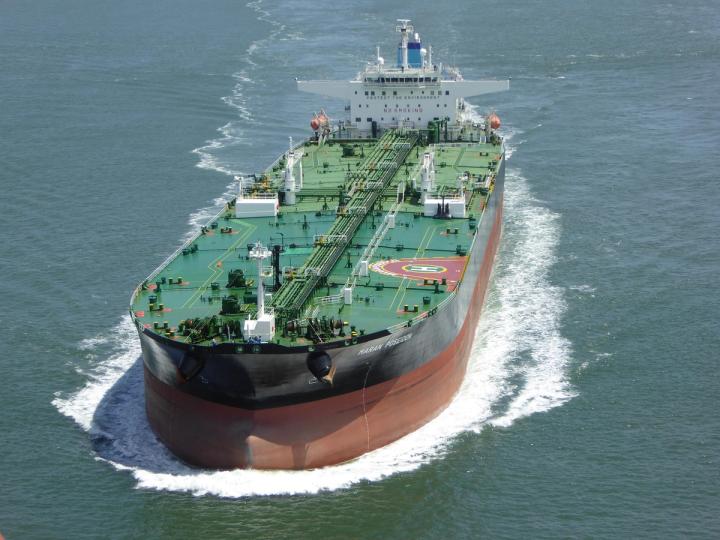
Oil Prices Surge Past $100 as Middle East Tensions Spark Global Supply Fears
In a stark reminder of how geopolitical instability can send shockwaves through global markets, oil prices have surged past the critical $100 per barrel threshold, sending ripples of concern across financial markets worldwide. The latest escalation in the ongoing military conflict between the United States, Israel, and Iran has created a perfect storm of supply chain disruptions and market anxiety that’s now affecting everything from traditional equities to the cryptocurrency sector.
The Strait of Hormuz, a narrow waterway through which approximately one-fifth of global oil production passes daily, has become the epicenter of this unfolding crisis. Iran’s strategic disruption of oil flows through this vital chokepoint has effectively split the global oil market into two distinct categories: barrels that remain vulnerable to geopolitical interference and those that can still reliably reach international buyers.
The most telling indicator of this market bifurcation is the dramatic rise in Murban crude oil prices, which recently breached the $103 per barrel mark. This premium light, sweet crude, produced by Abu Dhabi National Oil Company from onshore fields in the United Arab Emirates, has emerged as the new benchmark for “safe” oil in an increasingly uncertain market. Unlike other major oil benchmarks, Murban can bypass the Strait of Hormuz entirely by being exported through the Fujairah Oil Terminal, making it particularly attractive to buyers seeking reliable supply chains.
The significance of Murban’s price surge extends far beyond the oil markets themselves. The fact that traders are willing to pay such a substantial premium for this particular grade of crude signals that the market is no longer pricing oil based solely on production costs or demand fundamentals. Instead, accessibility and geopolitical risk have become primary valuation drivers, fundamentally altering how energy markets operate.
This shift has profound implications for global risk assets, including stocks and cryptocurrencies. When oil prices reach such elevated levels due to supply constraints rather than organic demand growth, it typically creates a cascade of economic effects. Higher energy costs can fuel inflation fears, potentially forcing central banks to maintain higher interest rates for longer periods than previously anticipated. This tightening of monetary conditions can reduce liquidity in risk-on assets, creating headwinds for speculative investments.
The cryptocurrency market, particularly bitcoin, is especially sensitive to these macroeconomic shifts. As a non-yielding asset without underlying cash flows, bitcoin’s valuation is heavily dependent on prevailing liquidity conditions and investor risk appetite. When traditional markets face stress from energy price shocks, capital often flows out of speculative assets like cryptocurrencies and into safer havens or back into the traditional financial system.
Recent market data underscores this dynamic. Since the conflict began, both West Texas Intermediate (WTI) and Brent crude benchmarks have experienced approximately 30% price increases, while simultaneously, futures markets have begun pricing in fewer expected Federal Reserve interest rate cuts. This combination of higher energy costs and tighter monetary policy creates a challenging environment for risk assets across the board.
Bitcoin, which reached near $74,000 earlier this week before retreating to around $67,000, exemplifies this volatility. The cryptocurrency’s price movements have become increasingly correlated with broader market sentiment, particularly regarding inflation expectations and liquidity conditions. As oil prices continue to climb, driven by supply concerns rather than demand growth, the pressure on bitcoin and similar assets could intensify.
The implications extend beyond immediate price movements. Sustained high oil prices can trigger a broader reassessment of risk across global markets, potentially leading to increased volatility in equity markets, particularly in Asia where energy-intensive industries play a significant role in economic output. This market-wide risk reassessment could create a feedback loop, further pressuring risk assets and potentially forcing investors to reassess their portfolio allocations.
As markets prepare for the opening of trading on Monday, all eyes will be on how these developments translate into actual price movements across various asset classes. The convergence of geopolitical risk, supply chain disruptions, and monetary policy uncertainty has created a complex market environment where traditional valuation metrics may no longer apply in the same way they once did.
The current situation also highlights the interconnected nature of global markets, where developments in one sector can rapidly cascade into others, creating both risks and opportunities for investors who can accurately read these complex signals. As the situation continues to evolve, market participants will need to remain vigilant and adaptable, ready to adjust their strategies in response to rapidly changing conditions.
Tags:
OilPrices #GeopoliticalRisk #MiddleEastCrisis #EnergyMarkets #Bitcoin #Cryptocurrency #SupplyChainDisruption #StraitOfHormuz #MurbanCrude #GlobalMarkets #InflationFears #RiskAssets #MarketVolatility #EconomicUncertainty
Viral Phrases:
“Oil hits $100 as Middle East tensions boil over”
“Bitcoin feels the heat as energy crisis deepens”
“Geopolitical risk now priced into every barrel”
“Murban crude becomes the new gold standard”
“Supply chains buckle under geopolitical pressure”
“Cryptocurrency markets tremble as oil surges”
“Energy crisis triggers global market reassessment”
“Central banks caught between inflation and growth”
“Risk assets face perfect storm of headwinds”
“Oil accessibility trumps production in new market paradigm”
,

Leave a Reply
Want to join the discussion?Feel free to contribute!