
My Pixel phone was stolen, and I discovered an important security limitation
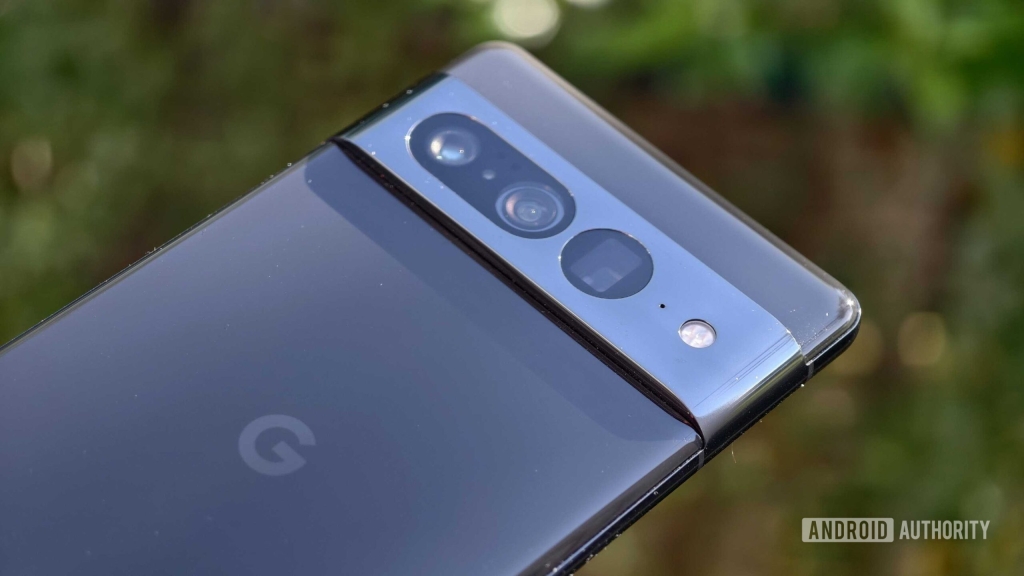
Stolen Pixel 7 Pro Exposes Google’s Critical Security Gap
I’ve been a loyal Pixel user for years, rocking my Pixel 7 Pro since 2022 without a single thought about upgrading. When it comes to smartphones, I’ve always lived by the “if it ain’t broke, don’t fix it” philosophy. That blissful complacency came crashing down during what should have been a relaxing beach day.
Picture this: I’m swimming in the ocean, enjoying the sun, completely unaware that my bag—containing my beloved Pixel 7 Pro—was sitting unattended on the sand. When I returned, my phone was gone. Vanished. Stolen right from under my nose in broad daylight at a crowded beach.
Like any responsible smartphone owner, my first instinct was to fire up Find My Device (formerly Find Hub) and track that sucker down. But here’s where things took a frustrating turn that would make any security-conscious user’s blood boil.
The Security Flaw That Let Thieves Win
When I opened Find My Device, my stolen Pixel 7 Pro was nowhere to be found. The realization hit me like a ton of bricks: the thieves had simply turned off the phone without needing to enter my PIN, passcode, or any form of authentication whatsoever.
Let that sink in for a moment. In 2025, with all our advanced biometric scanners, AI-powered security features, and sophisticated anti-theft measures, you can still power down a modern smartphone without proving you’re the rightful owner. This isn’t just a minor oversight—it’s a massive security vulnerability that Google and several other Android manufacturers have inexplicably ignored for years.
Google’s recent anti-theft protection features are genuinely impressive. They can lock down your device, protect your data, and even make the phone unusable to thieves. But all of that becomes completely irrelevant if the thief can simply power off the device and cut off all tracking capabilities in seconds.
Google Isn’t Alone, But That Doesn’t Make It Right
What makes this situation even more frustrating is that Google isn’t the only major player dropping the ball here. Xiaomi phones have the same glaring security hole, and I wouldn’t be surprised if other manufacturers are equally negligent.
The Android community has been screaming about this issue for years. Head over to Google’s Pixel Community forums and you’ll find countless threads dating back years with titles like “Required password for turning off device” and “PIN required to turn off isn’t available in Google Pixel phones.” Users have been begging, pleading, and demanding this basic security feature, but Google’s product experts have consistently pushed back with what can only be described as weak excuses.
Their primary argument? Thieves will just put phones in metal containers or RF-shield bags to block signals anyway. While that’s technically true for sophisticated criminals, it completely ignores the reality that many phone thieves are opportunistic amateurs who might not think to carry specialized equipment. Why deny all users a basic security layer just because some determined criminals might circumvent it?
The Competition Is Already Doing It Better
Here’s where the story gets interesting and Google’s excuses start looking pretty flimsy. Several smartphone manufacturers have already implemented exactly what Pixel users have been requesting:
- Nothing calls it “Power Off Verify”
- OPPO (including realme and OnePlus) uses “Require password to power off”
- Samsung includes it as part of their “Lock network and security” toggle
- vivo brands it as “Unlock to Power Off”
These features are typically buried in Settings > Security and Privacy, or in Samsung’s case, Settings > Lock screen and AOD > Secure lock settings. The implementation varies slightly—some brands like Samsung and vivo don’t require authentication if the phone is already unlocked—but the core functionality is there.
Even more telling? Some of these manufacturers have managed to implement this feature despite Google’s claims about its ineffectiveness. If Nothing and OPPO can do it, why can’t Google?
The Silver Lining: Powered-Off Tracking
There is a glimmer of hope in this otherwise frustrating situation. Google has implemented powered-off tracking on the last three generations of Pixel phones (Pixel 8, 9, and 10 series). This means that even if a thief turns off your device, you might still be able to track its location.
However, there are significant caveats. First, my poor Pixel 7 Pro—the phone that actually got stolen—doesn’t support this feature. It’s like Google is telling me “sorry about your loss, but hey, our newer phones have this cool feature!” Second, even when powered-off tracking works, the location updates can be spotty and unreliable.
My colleague Rita El-Khoury tested this feature extensively and wasn’t impressed. The device location frequently failed to update, making it more of a “maybe it’ll work, maybe it won’t” situation rather than a reliable tracking solution.
The Industry Laggards
It’s worth noting that powered-off tracking isn’t exactly widespread across the industry. While the realme GT8 Pro, OnePlus 13 and newer, and Xiaomi 15 series and later support it, major players like Samsung and Nothing haven’t adopted this feature yet. So Google isn’t alone in being slow to implement advanced tracking capabilities.
However, when it comes to the basic “require authentication to power off” feature, Google is clearly behind the curve. Brands like Nothing, OPPO, Samsung, and vivo have all managed to implement this relatively simple security measure, proving that it’s both possible and practical.
Why This Matters More Than Ever
Smartphone theft is a massive and growing problem worldwide. These devices contain our entire lives—personal photos, banking information, work documents, and access to countless online accounts. The financial cost of replacing a high-end smartphone is significant, but the potential for identity theft and data breaches makes phone security absolutely critical.
A simple PIN requirement to power off a device could be the difference between recovering a stolen phone and losing it forever. It adds just a few seconds to the power-down process but provides a crucial window for tracking and potentially catching thieves in the act.
The Bottom Line
Google’s Pixel phones offer some genuinely innovative features and stock Android has narrowed the gap with custom Android skins considerably. But when it comes to basic device security, Google is lagging behind competitors who have already solved this problem.
The fact that users have been requesting this feature for years, that competitors have implemented it successfully, and that Google continues to make excuses rather than address the issue is frankly disappointing. It suggests either a lack of prioritization or a concerning disconnect between user needs and product development decisions.
For current Pixel 7 series owners like myself who’ve already experienced the consequences of this security gap, the damage is done. But for future Pixel users and the broader Android ecosystem, Google needs to step up and implement basic security features that other manufacturers have already proven work.
After all, in an age where our smartphones contain our digital lives, basic security shouldn’t be a premium feature—it should be standard. And requiring a PIN to turn off your phone? That’s about as basic as it gets.
tags
PixelSecurity #AndroidTheft #FindMyDevice #SmartphoneSecurity #GooglePixel #TechSecurity #PhoneTheft #AndroidProblems #DigitalSecurity #MobileSecurity
viral
- “Google’s massive security flaw let thieves steal my Pixel 7 Pro in seconds”
- “Why can’t I require a PIN to turn off my expensive smartphone?”
- “Competitors already solved this—why is Google dragging its feet?”
- “The simple security feature that could save your stolen phone”
- “My beach day turned into a $1000 lesson in smartphone vulnerability”
- “Google vs. the competition: Who actually cares about your phone’s security?”
- “The security feature so basic, even budget phones have it”
- “When ‘if it ain’t broke’ becomes ‘if it’s stolen, it’s gone forever'”
- “Powered-off tracking sounds great—until you realize your phone doesn’t support it”
- “The security excuse that doesn’t hold water in 2025”
,


Leave a Reply
Want to join the discussion?Feel free to contribute!