
Napster Is Now a Slop Farm for AI Music
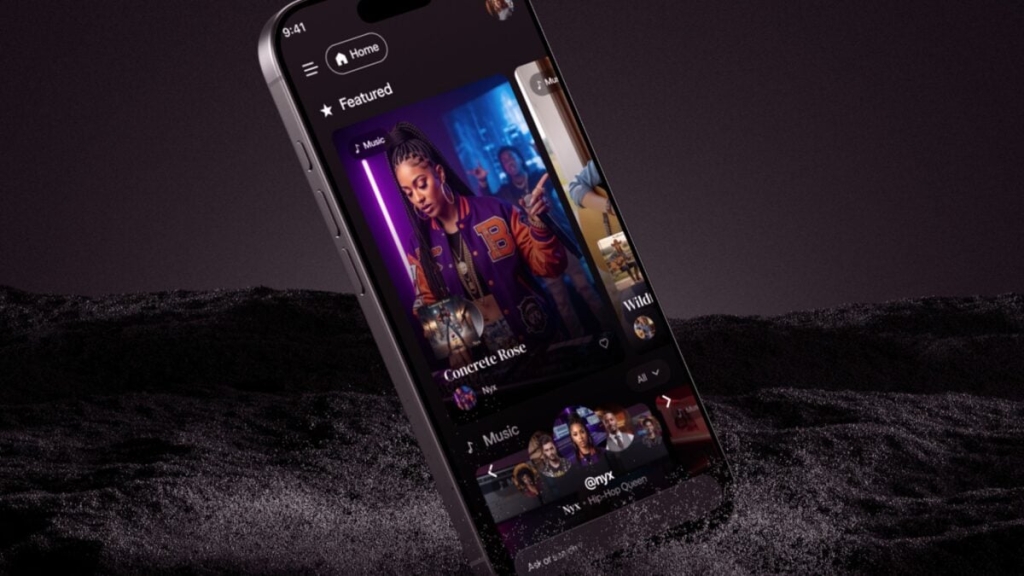
Napster’s AI Comeback: The Music Platform That Wants You to Be a “Co-Creator” (But Probably Shouldn’t)
In a move that can only be described as “bold” or “desperate” depending on your perspective, Napster—yes, that Napster—has risen from the digital grave to offer the world something nobody asked for: AI-generated music and podcasts that you can “co-create” with chatbots.
The Ghost of Piracy Past Returns
The platform that once revolutionized (and scandalized) the music industry by letting everyone steal music for free has reinvented itself as… well, something even more depressing. New CEO John Acunto (a name you’ll probably forget in 30 seconds) is positioning Napster as the antidote to “passive consumption,” because apparently listening to music created by actual humans is so 2005.
“Napster was born to break boundaries, and we’re doing it again,” Acunto declared, presumably with a straight face. “We see this as a declaration that the age of passive consumption is over.”
Let’s pause here for a moment. The CEO of Napster just told us that listening to music is passive and that we should instead spend our time typing prompts into a chatbot to generate soulless algorithmic approximations of songs. Progress!
How It Works (Or Doesn’t)
The new Napster app (available on web and mobile, because of course it is) lets users generate AI music and podcasts through chatbot interactions. I bravely volunteered to test this digital abomination so you don’t have to.
I engaged with “Nia Jenkins,” one of Napster’s AI music specialists, and prompted her to create “AI slopo” (a typo I decided to keep because honestly, it’s more honest this way). After what felt like an eternity of “thinking,” Nia produced a hip-hop/R&B track about AI slop that was, in fact, AI slop.
The experience was about as fulfilling as you’d expect. You type words, the chatbot processes them, and then it spits out something that resembles music if you squint hard enough and have never actually enjoyed music before. The platform doesn’t disclose what data its AI is trained on, but I’d bet my vintage iPod that it’s copyrighted material—continuing Napster’s grand tradition of, let’s say, “creative borrowing.”
The Microphone Incident
In a moment of weakness, I granted the app microphone access, allowing me to speak prompts instead of typing them. This was a mistake. A profound, haunting mistake. The app now has access to my voice, my musical tastes (questionable at best), and possibly my soul.
If you’ve ever had a conversation with ChatGPT, imagine that same sterile, slightly uncanny interaction but instead of getting helpful information, you get a beat that sounds like it was generated by an algorithm that has only ever heard music described to it by someone who doesn’t like music.
The Metallica Test
Here’s the thing: the original Napster, for all its copyright infringement issues, was fun. It pissed off Metallica, which was basically a badge of honor in the early 2000s. It let you discover music in a way that felt rebellious and exciting. You were part of a movement, even if that movement was “let’s not pay for things.”
This new version? It’s just sad. It’s the musical equivalent of a participation trophy. You didn’t create anything; you typed some words into a box and an algorithm rearranged existing music into something that technically qualifies as “a song” in the same way that a blender full of pizza ingredients technically qualifies as “a pizza.”
The Hollow Core
The whole endeavor feels profoundly empty, but perhaps that’s the point. In a world where we’re increasingly disconnected from actual human creativity, maybe algorithmic music generation is the logical endpoint. Maybe we’ve collectively decided that the craft, skill, and emotional depth that goes into creating music is overrated.
Or maybe—and stay with me here—this is a terrible idea that will join the original Napster in the dustbin of internet history, albeit as a much smaller footnote. A footnote that says, “Remember when Napster tried to become an AI music platform? Yeah, that was weird.”
The Bottom Line
Napster’s AI pivot is either a visionary reimagining of music creation or a desperate attempt to stay relevant in an industry that has moved on without it. It’s probably the latter, but who knows? Maybe people really do hate listening to music created by humans and are desperate to spend their time generating AI slop with chatbots.
If that’s you, congratulations—Napster is here for all your “co-creation” needs. The rest of us will be over here listening to actual music made by actual humans who actually care about the art form.
Because some things shouldn’t be automated. Music is one of them.
Tags: #Napster #AI #Music #Tech #Innovation #DigitalTransformation #FutureOfMusic #ArtificialIntelligence #MusicIndustry #TechNews #AIgenerated #MusicTech #DigitalMusic #NapsterReboot #AITools
Viral Sentences:
- Napster is back from the dead, and this time it wants you to co-create AI slop
- The CEO says passive listening is over—welcome to the age of AI collaboration
- I regret giving Napster access to my microphone
- This is the musical equivalent of a participation trophy
- At least the original Napster pissed off Metallica
- Napster embodies the same spirit as the old Napster—just less fun stealing
- The AI image generator literally tried and failed to steal an iconic Nirvana shirt
- Maybe we all just hate making music now
- Zombie Napster is destined to be a much, much, much smaller footnote
- This stealing just isn’t as fun as the old stealing
,


Leave a Reply
Want to join the discussion?Feel free to contribute!