
NASA animation shows exactly how its crewed moon mission will unfold
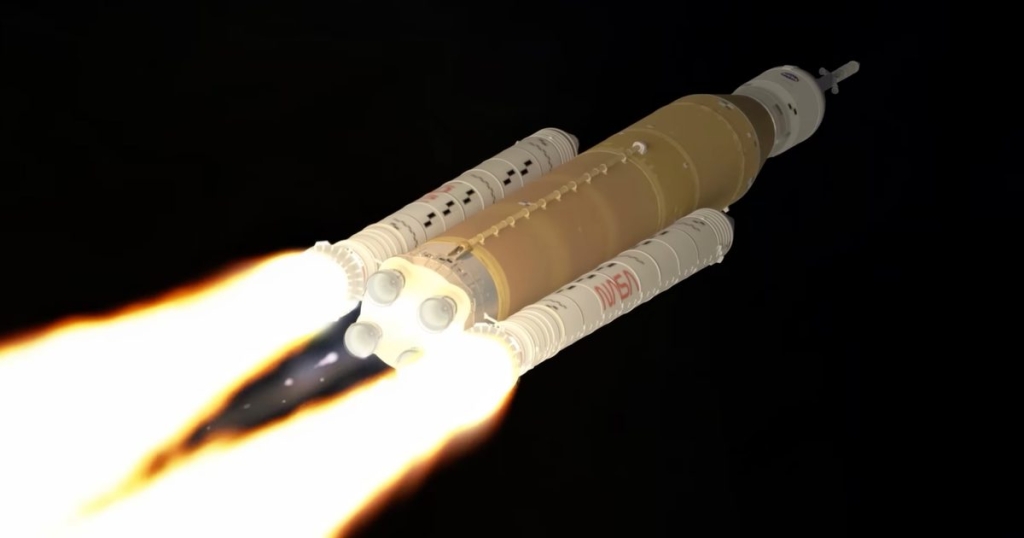
NASA’s Artemis II Mission: A New Chapter in Lunar Exploration
NASA is once again preparing to send humans beyond Earth’s orbit, marking a historic milestone in space exploration with the Artemis II mission. This ambitious endeavor, scheduled to launch as early as February 6, 2026, will see four astronauts journey around the Moon for the first time in over half a century. The mission represents a critical step toward NASA’s long-term goal of establishing a sustainable presence on the lunar surface and eventually paving the way for human missions to Mars.
The Crew: Pioneers of the New Space Age
The Artemis II crew is a diverse and highly skilled team, embodying the spirit of international collaboration and scientific excellence. NASA astronauts Victor Glover, Reid Wiseman, and Christina Koch will be joined by Canadian Space Agency astronaut Jeremy Hansen. Each member brings a wealth of experience and expertise to the mission:
- Victor Glover: A veteran naval aviator and former NASA astronaut, Glover made history as the first African American astronaut to live on the International Space Station (ISS) for an extended mission.
- Reid Wiseman: A former U.S. Navy test pilot, Wiseman has previously served as the Chief of the Astronaut Office and has extensive experience in spaceflight operations.
- Christina Koch: Known for her record-breaking 328-day mission on the ISS, Koch is also the first woman to participate in a lunar mission.
- Jeremy Hansen: A Canadian Space Agency astronaut and former fighter pilot, Hansen is the first Canadian to be assigned to a lunar mission.
Together, this team will push the boundaries of human exploration and inspire future generations of scientists, engineers, and dreamers.
The Mission: A 10-Day Journey to the Moon and Back
The Artemis II mission is designed to test the capabilities of NASA’s Orion spacecraft and the Space Launch System (SLS) rocket, ensuring they are ready for future deep-space missions. The mission will last approximately 10 days, during which the crew will travel around the Moon, coming within 4,000 to 6,000 miles of its surface.
Launch and Ascent
The journey begins with a powerful liftoff from NASA’s Kennedy Space Center in Florida. The SLS rocket, the most powerful rocket ever built, will propel the Orion spacecraft into orbit. The rocket’s immense thrust will carry the crew through Earth’s atmosphere, where they will experience intense G-forces and breathtaking views of our planet.
Earth Orbit and Trans-Lunar Injection
After reaching Earth’s orbit, the crew will perform a series of checks to ensure the spacecraft is functioning correctly. Once all systems are verified, the Orion spacecraft will execute a trans-lunar injection burn, using its powerful engines to break free from Earth’s gravitational pull and set a course for the Moon.
Lunar Flyby
As the spacecraft approaches the Moon, the crew will have the opportunity to witness one of the most awe-inspiring sights in human history: the far side of the Moon. Although Artemis II will not include a lunar landing, the mission will bring the astronauts within 4,000 to 6,000 miles of the lunar surface, providing unprecedented views and valuable data for future missions.
Return to Earth
After completing their lunar flyby, the crew will begin their journey back to Earth. The return trip will take approximately four days, during which the spacecraft will re-enter Earth’s atmosphere at a staggering speed of nearly 25,000 miles per hour (about 40,000 kilometers per hour). The intense heat generated by atmospheric friction will be mitigated by Orion’s advanced heat shield, ensuring the safety of the crew.
Splashdown
The mission will conclude with a splashdown in the Pacific Ocean, approximately 50 miles off the coast of California. The Orion spacecraft will deploy parachutes to slow its descent, allowing for a safe and controlled landing. Recovery teams will be on standby to retrieve the crew and spacecraft, marking the successful completion of this historic mission.
The Technology: Pushing the Boundaries of Innovation
The Artemis II mission relies on cutting-edge technology and engineering to achieve its ambitious goals. The SLS rocket, Orion spacecraft, and supporting systems represent the pinnacle of human ingenuity and collaboration.
Space Launch System (SLS)
The SLS is the backbone of the Artemis program, providing the power and reliability needed to send humans beyond Earth’s orbit. Standing at 322 feet tall and weighing over 5.75 million pounds, the SLS is capable of generating 8.8 million pounds of thrust at liftoff. Its advanced propulsion systems and modular design make it the ideal vehicle for deep-space exploration.
Orion Spacecraft
The Orion spacecraft is designed to carry astronauts safely to the Moon and beyond. It features a state-of-the-art life support system, advanced navigation and communication capabilities, and a robust heat shield to protect the crew during re-entry. Orion’s spacious interior provides a comfortable and functional environment for the crew, ensuring they can perform their duties effectively throughout the mission.
Ground Support and Operations
NASA’s mission control centers, including the Johnson Space Center in Houston, will play a crucial role in supporting the Artemis II mission. Teams of engineers, scientists, and flight controllers will monitor the spacecraft’s systems, provide guidance to the crew, and ensure the mission’s success. The collaboration between NASA and its international partners, including the Canadian Space Agency, highlights the global nature of space exploration and the shared commitment to advancing human knowledge.
The Significance: A New Era of Exploration
The Artemis II mission is more than just a journey to the Moon; it is a testament to human curiosity, resilience, and ambition. By returning humans to lunar orbit, NASA is laying the groundwork for future missions that will establish a sustainable presence on the Moon and eventually send humans to Mars.
Scientific Discovery
The Artemis program aims to unlock the mysteries of the Moon, including its geology, resources, and potential for supporting human life. The data collected during Artemis II will provide valuable insights into the lunar environment, informing future missions and scientific research.
Technological Advancement
The technologies developed for the Artemis program have far-reaching implications beyond space exploration. Innovations in propulsion, life support, and materials science will benefit industries on Earth, from healthcare to transportation.
Inspiration and Education
The Artemis II mission will inspire a new generation of scientists, engineers, and explorers. By showcasing the possibilities of human spaceflight, NASA is encouraging young people to pursue careers in STEM fields and contribute to the future of exploration.
Looking Ahead: The Future of Artemis
While Artemis II is a critical milestone, it is just the beginning of NASA’s ambitious lunar exploration plans. Future missions will include landing the first woman and the first person of color on the Moon, establishing the Artemis Base Camp, and collaborating with international partners to create a sustainable lunar presence.
The success of Artemis II will pave the way for these future endeavors, demonstrating the capabilities of NASA’s spacecraft and the readiness of its crew for deep-space missions. As humanity takes its next giant leap, the Artemis program will continue to push the boundaries of what is possible, inspiring us all to reach for the stars.
Tags: NASA, Artemis II, Moon mission, space exploration, Orion spacecraft, SLS rocket, Victor Glover, Reid Wiseman, Christina Koch, Jeremy Hansen, lunar flyby, splashdown, deep space, international collaboration, STEM inspiration, future of space travel, Mars exploration, lunar science, technological innovation, human spaceflight, Kennedy Space Center, Johnson Space Center, Canadian Space Agency, Artemis program, space technology, space history, space mission, space crew, space launch, space reentry, space recovery, space education, space inspiration, space future, space discovery, space advancement, space possibilities, space boundaries, space achievements, space milestones, space dreams, space goals, space vision, space legacy, space impact, space progress, space journey, space adventure, space exploration history, space exploration future, space exploration significance, space exploration technology, space exploration crew, space exploration mission, space exploration launch, space exploration reentry, space exploration recovery, space exploration education, space exploration inspiration, space exploration future, space exploration discovery, space exploration advancement, space exploration possibilities, space exploration boundaries, space exploration achievements, space exploration milestones, space exploration dreams, space exploration goals, space exploration vision, space exploration legacy, space exploration impact, space exploration progress, space exploration journey, space exploration adventure.
,

Leave a Reply
Want to join the discussion?Feel free to contribute!