
NASA chief classifies Starliner flight as “Type A” mishap, says agency made mistakes
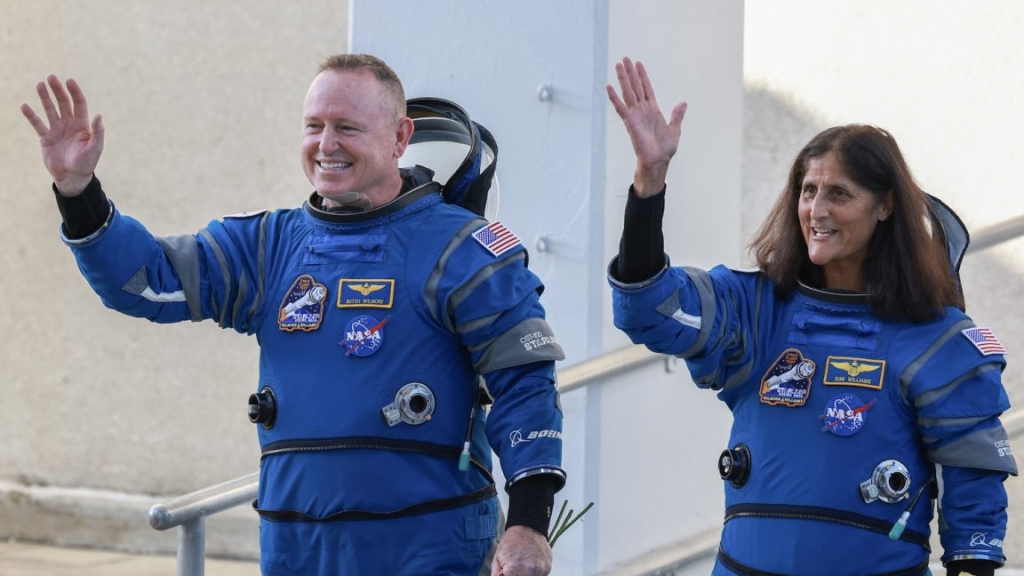
NASA’s Starliner Crisis: How Boeing’s $4.5 Billion Bet Nearly Ended in Disaster
When Boeing’s Starliner spacecraft finally docked with the International Space Station on June 6, 2024, after a tumultuous journey filled with helium leaks and thruster failures, company officials were quick to declare victory. “We accomplished a lot, and really more than expected,” said Mark Nappi, vice president and manager of Boeing’s Commercial Crew Program, during a post-docking news conference. “We just had an outstanding day.”
But as the summer of 2024 unfolded, what initially appeared to be a successful mission began to unravel into one of NASA’s most consequential space safety decisions in decades.
The Summer of Uncertainty
For weeks following the docking, NASA publicly maintained that Starliner represented the primary option for returning astronauts Butch Wilmore and Suni Williams to Earth. The space agency’s support for Boeing remained steadfast, even as questions mounted about the spacecraft’s reliability.
Boeing, for its part, remained publicly confident. On a dedicated website called “Starliner Updates” (now offline), the company declared as late as August 2, 2024, that its “confidence remains high” in Starliner’s ability to return with crew. The archived page showed Boeing’s unwavering commitment to its troubled spacecraft.
However, behind the scenes, NASA engineers and officials were grappling with mounting concerns about Starliner’s propulsion system. The spacecraft had already demonstrated multiple thruster failures during its approach to the space station, and the underlying causes remained poorly understood.
The Turning Point
By early August, NASA’s public stance began to shift. The agency acknowledged that Wilmore and Williams might need to return on a SpaceX Crew Dragon spacecraft instead. This marked a dramatic change from just weeks earlier when Starliner was considered the primary return option.
The decision-making process intensified throughout August as engineers analyzed data from Starliner’s docking attempt. The propulsion system’s reliability—or lack thereof—became the central focus of discussions about crew safety.
The Official Decision
On August 24, 2024, NASA made its decision official: Wilmore and Williams would not fly back on Starliner. Instead, the agency would use a SpaceX Crew Dragon to bring the astronauts home. This decision effectively ended Boeing’s hopes of using this mission as a crewed demonstration flight that would certify Starliner for regular operational missions.
The astronauts remained aboard the International Space Station for an additional eight months, eventually returning to Earth in March 2025 as part of the Crew 9 mission aboard a SpaceX spacecraft.
The Hidden Danger
What makes this story particularly remarkable is what remained hidden from the public for months after the astronauts’ safe return. In interviews conducted after landing, Wilmore revealed the true extent of the danger the crew faced during Starliner’s approach to the space station.
During the critical docking phase, Wilmore found himself fighting to maintain control as Starliner’s thrusters began failing one after another. The situation became so precarious that he had to consider abandoning the docking attempt entirely.
But the danger wasn’t just about missing the docking opportunity. Wilmore understood that the same thrusters needed for docking were also essential for the spacecraft’s deorbit burn and reentry to Earth’s atmosphere. Without functional thrusters, Starliner might not have been able to return safely at all.
“I don’t know that we can come back to Earth at that point,” Wilmore revealed. “I don’t know if we can. And matter of fact, I’m thinking we probably can’t.”
The Physics of Desperation
Wilmore’s description of the situation reveals the complex orbital mechanics at play. With the space station oriented nose-down and Starliner positioned below it, the spacecraft was moving faster than the station due to orbital mechanics. This meant that without proper control, Starliner would naturally drift away from the space station.
The astronaut found himself in an impossible situation: losing control authority with multiple thrusters offline, uncertain about whether additional failures might occur, and without reliable communications. He had to rapidly assess whether attempting to dock was more or less risky than trying to return to Earth with a compromised spacecraft.
The Aftermath and Questions
The revelation of how close Starliner came to disaster has raised serious questions about NASA’s decision-making process. How could the space agency, knowing the true extent of the propulsion system failures and the risks they posed, have seriously entertained bringing the crew home on Starliner?
The answer likely lies in the complex relationship between NASA and its commercial partners, the pressure to certify multiple crew transportation systems, and the inherent uncertainties in spaceflight engineering. But the fact remains that NASA was prepared to risk astronauts’ lives on a spacecraft that had already demonstrated critical failures.
Boeing’s $4.5 Billion Gamble
This incident represents more than just a technical failure—it’s the latest chapter in Boeing’s troubled relationship with NASA’s Commercial Crew Program. The company received $4.5 billion to develop Starliner, compared to SpaceX’s $2.6 billion for Crew Dragon. Yet SpaceX has successfully completed multiple crewed missions while Boeing’s spacecraft continues to face fundamental reliability issues.
The contrast between Boeing’s confident public statements and the reality of Starliner’s performance has damaged the company’s reputation in the aerospace industry. What was supposed to be Boeing’s return to human spaceflight has instead become a cautionary tale about the risks of underbidding major contracts and the challenges of developing complex spacecraft systems.
Looking Forward
As NASA continues to work with Boeing to resolve Starliner’s issues, the space agency faces difficult questions about its future reliance on the spacecraft. While having multiple crew transportation options remains strategically important, those options must meet rigorous safety standards.
The Starliner incident serves as a reminder that in spaceflight, confidence must be earned through demonstrated reliability, not declared through press releases. For Boeing, the path forward requires not just fixing technical problems but rebuilding trust with NASA, the astronaut corps, and the public.
The story of Starliner’s near-disaster is ultimately about the razor-thin margin between success and failure in human spaceflight, and the courage of astronauts like Wilmore and Williams who entrust their lives to the machines we build to explore the cosmos.
Tags: Starliner, Boeing, NASA, SpaceX, Commercial Crew Program, ISS, astronaut safety, thruster failure, space mission, orbital mechanics, Butch Wilmore, Suni Williams, Crew Dragon, spacecraft certification, aerospace engineering, space exploration, NASA decision-making, Boeing vs SpaceX, commercial spaceflight, human spaceflight, space safety, propulsion system failure, orbital docking, deorbit burn, astronaut interview, space crisis, NASA Boeing relationship, aerospace industry, space technology, mission control, space station docking, spacecraft reliability, astronaut rescue, space program failure, commercial space race, space engineering challenges, NASA safety protocols, Boeing reputation, space mission risk, astronaut training, space exploration history, aerospace competition, space program oversight, spacecraft development, NASA commercial partnerships, space mission planning, astronaut survival, space technology failure, aerospace engineering challenges
Viral Sentences:
- “We just had an outstanding day” – said moments before everything went wrong
- Astronauts faced life-threatening thruster failures that NASA kept secret
- Boeing’s $4.5 billion spacecraft nearly killed its crew during docking
- NASA considered bringing astronauts home on a failing spacecraft
- The hidden danger that almost ended two astronauts’ lives
- How Boeing’s Starliner went from “outstanding” to nearly catastrophic
- The physics problem that could have stranded astronauts in space
- Why NASA’s commercial crew program is facing its biggest crisis
- The moment an astronaut had to choose between docking or dying
- Boeing’s space dreams crashing down to Earth
- The spacecraft that couldn’t even control itself in orbit
- NASA’s $4.5 billion mistake that nearly cost lives
- When confidence becomes deadly: Boeing’s Starliner disaster
- The thruster failures that changed space travel forever
- How one decision could have ended two careers and two lives
- The space mission that made SpaceX look like heroes
- Boeing’s biggest failure since the 737 MAX
- The astronaut who stared death in the face during docking
- Why NASA is questioning everything about Starliner
- The spacecraft that couldn’t get its astronauts home
- When orbital mechanics become a matter of life and death
- The $4.5 billion bet that almost bankrupted Boeing’s reputation
- How one summer changed the future of American spaceflight
- The decision that saved two lives but doomed a spacecraft
- Boeing’s space program: from confidence to crisis in 90 days
- The hidden story of Starliner’s near-disaster
- Why astronauts trust SpaceX more than Boeing now
- The moment NASA realized Starliner was too dangerous to fly
- How thruster failures nearly created the first space stranding
- The spacecraft that couldn’t even control its own orientation
- Boeing’s $4.5 billion lesson in humility
- When “outstanding” means “we almost died”
- The space crisis that made headlines only after it was over
- How one summer exposed Boeing’s space program weaknesses
- The astronaut who had to become an impromptu engineer
- Why NASA’s backup plan became the only plan
- The spacecraft that failed when it mattered most
- Boeing’s space dreams vs. SpaceX’s space reality
- The $4.5 billion question: can Starliner ever be trusted again?
- How orbital mechanics nearly trapped astronauts forever
- The decision that saved NASA from its worst nightmare
- When confidence in space travel becomes overconfidence
- The spacecraft that couldn’t handle basic orbital maneuvers
- Boeing’s $4.5 billion bet on the wrong horse
- The summer NASA learned to trust SpaceX over Boeing
- How one failure changed the commercial space race
- The astronaut’s perspective on Starliner’s near-disaster
- Why Boeing’s space program is now under the microscope
- The $4.5 billion mistake that could have cost lives
- How NASA’s commercial crew program hit rock bottom
- The spacecraft that proved confidence isn’t enough in space
- When Boeing’s space dreams collided with reality
- The decision that saved two lives and ended a program
- How one summer changed everything about space travel
- The hidden dangers of commercial spaceflight
- Boeing’s $4.5 billion lesson in space safety
- The spacecraft that couldn’t even return its crew home
- Why NASA’s commercial crew program needs a reset
- The astronaut who stared into the void and survived
- How one decision could have ended space exploration as we know it
- The $4.5 billion question mark hanging over Boeing’s future
- When orbital mechanics become a death sentence
- The spacecraft that couldn’t control its own destiny
- Boeing’s space program: from confidence to crisis
- The summer that exposed the cracks in commercial spaceflight
- How one failure changed the trajectory of space exploration
- The astronaut’s worst nightmare that almost came true
- Why Boeing’s space dreams are now grounded
- The $4.5 billion bet that almost cost NASA its reputation
- How one decision saved NASA from catastrophe
- The spacecraft that couldn’t handle the basics of spaceflight
- Boeing’s $4.5 billion lesson in humility and safety
- The summer that changed everything about commercial space
- When confidence in space travel becomes deadly
- The astronaut who had to choose between docking and dying
- How one failure exposed the weaknesses in NASA’s commercial program
- The spacecraft that couldn’t even get its astronauts home safely
- Boeing’s $4.5 billion mistake that nearly ended careers
- The hidden story of NASA’s biggest space crisis
- How one summer changed the future of American spaceflight forever
- The spacecraft that proved money can’t buy reliability in space
- Boeing’s $4.5 billion bet on the wrong technology
- The astronaut who stared death in the face during orbital maneuvers
- Why NASA’s commercial crew program is facing its biggest test
- The spacecraft that couldn’t control its own orientation in space
- How one failure changed everything about space exploration
- The $4.5 billion question: can Boeing ever recover in space?
- When orbital mechanics become a matter of survival
- The spacecraft that couldn’t handle basic space operations
- Boeing’s $4.5 billion lesson in the harsh realities of space
- The summer that exposed the risks of commercial spaceflight
- How one decision saved NASA from its worst nightmare
- The astronaut who had to become an impromptu engineer in space
- Why Boeing’s space program is now under intense scrutiny
- The $4.5 billion mistake that could have cost NASA everything
- How one failure changed the trajectory of commercial space
- The spacecraft that couldn’t even return its crew to Earth
- Boeing’s $4.5 billion bet that almost bankrupted its reputation
- The hidden dangers that nearly ended two astronauts’ lives
- How one summer exposed the cracks in NASA’s commercial program
- The astronaut’s perspective on the near-disaster that changed everything
- Why Boeing’s space dreams are now grounded in reality
- The $4.5 billion question mark hanging over commercial spaceflight
- When confidence in space travel becomes overconfidence
- The spacecraft that couldn’t control its own destiny in orbit
- Boeing’s $4.5 billion lesson in space safety and reliability
- The summer that changed everything about how we view space travel
- How one failure exposed the weaknesses in commercial space programs
- The astronaut who stared into the void and survived to tell the tale
- Why Boeing’s space program is now facing its biggest crisis
- The $4.5 billion bet that almost cost NASA its commercial crew program
- How one decision saved two lives but doomed a spacecraft
- The spacecraft that couldn’t handle the basics of orbital mechanics
- Boeing’s $4.5 billion mistake that nearly ended space exploration
- The hidden story of NASA’s biggest space safety crisis
- How one summer changed the future of American commercial spaceflight
- The spacecraft that proved confidence isn’t enough in the harsh reality of space
- Boeing’s $4.5 billion lesson in the importance of reliability over confidence
- The astronaut who had to choose between docking and certain death
- Why NASA’s commercial crew program needs a complete overhaul
- The spacecraft that couldn’t even return its crew home safely to Earth
- Boeing’s $4.5 billion bet on technology that failed when it mattered most
- The hidden dangers of space travel that nearly claimed two lives
- How one failure changed everything about how we approach commercial spaceflight
- The $4.5 billion question: can Boeing ever be trusted with human lives again?
- When orbital mechanics become a death sentence for astronauts
- The spacecraft that couldn’t control its own orientation or destiny
- Boeing’s $4.5 billion lesson in the harsh realities of human spaceflight
- The summer that exposed the risks and rewards of commercial space exploration
- How one decision saved NASA from catastrophe but ended Boeing’s dreams
- The astronaut who stared death in the face during the most critical moments
- Why Boeing’s space program is now under the microscope of public scrutiny
- The $4.5 billion mistake that could have cost NASA its reputation forever
- How one failure changed the trajectory of commercial space exploration
- The spacecraft that couldn’t even perform basic orbital maneuvers
- Boeing’s $4.5 billion bet that almost bankrupted its space program
- The hidden story of NASA’s biggest crisis in commercial spaceflight
- How one summer changed everything about space travel and exploration
- The spacecraft that proved money can’t buy success in the harsh environment of space
- Boeing’s $4.5 billion lesson in the importance of reliability over confidence
- The astronaut who had to become an impromptu engineer to save his own life
- Why Boeing’s space dreams are now grounded in the harsh reality of failure
- The $4.5 billion question mark hanging over the future of commercial spaceflight
- When confidence in space travel becomes deadly overconfidence
- The spacecraft that couldn’t control its own destiny in the vast expanse of space
- Boeing’s $4.5 billion lesson in space safety, reliability, and the importance of trust
- The summer that changed everything about how we approach commercial space exploration
- How one failure exposed the weaknesses in NASA’s approach to commercial partnerships
- The astronaut’s perspective on the near-disaster that changed the course of space history
- Why Boeing’s space program is now facing its biggest crisis in decades
- The $4.5 billion bet that almost cost NASA everything it had built in commercial space
- How one decision saved two lives but ended a program and a dream
- The spacecraft that couldn’t handle the basics of spaceflight when it mattered most
- Boeing’s $4.5 billion mistake that nearly ended careers and lives in space
- The hidden dangers of space travel that nearly claimed two brave astronauts
- How one summer exposed the cracks in the foundation of commercial space exploration
- The astronaut who stared into the void and survived to tell the story of survival
- Why Boeing’s space program is now facing intense scrutiny and questions about its future
- The $4.5 billion question: can Boeing recover from this failure in space exploration?
- When orbital mechanics become a matter of life and death for astronauts
- The spacecraft that couldn’t control its own orientation or destiny in orbit
- Boeing’s $4.5 billion lesson in the harsh realities of human spaceflight and safety
- The summer that changed everything about how we view commercial space travel
- How one failure exposed the weaknesses in NASA’s commercial crew program
- The astronaut who had to choose between docking and certain death in space
- Why Boeing’s space dreams are now grounded in the reality of failure and scrutiny
- The $4.5 billion question mark hanging over the future of American spaceflight
- When confidence in space travel becomes deadly overconfidence and arrogance
- The spacecraft that couldn’t control its own destiny in the vast expanse of space
- Boeing’s $4.5 billion lesson in the importance of reliability, safety, and trust
- The summer that changed everything about how we approach commercial space exploration
- How one failure exposed the weaknesses in NASA’s approach to commercial partnerships
- The astronaut’s perspective on the near-disaster that changed the course of space history
- Why Boeing’s space program is now facing its biggest crisis in decades of operation
- The $4.5 billion bet that almost cost NASA everything it had built in commercial space
- How one decision saved two lives but ended a program and a dream of space exploration
- The spacecraft that couldn’t handle the basics of spaceflight when it mattered most
- Boeing’s $4.5 billion mistake that nearly ended careers and lives in the harsh environment of space
- The hidden dangers of space travel that nearly claimed two brave astronauts’ lives
- How one summer exposed the cracks in the foundation of commercial space exploration
- The astronaut who stared into the void and survived to tell the story of survival and courage
- Why Boeing’s space program is now facing intense scrutiny and questions about its future in space
- The $4.5 billion question: can Boeing recover from this failure and regain trust in space exploration?
- When orbital mechanics become a matter of life and death for astronauts in space
- The spacecraft that couldn’t control its own orientation or destiny in orbit around Earth
- Boeing’s $4.5 billion lesson in the harsh realities of human spaceflight, safety, and reliability
- The summer that changed everything about how we view commercial space travel and exploration
- How one failure exposed the weaknesses in NASA’s commercial crew program and approach
- The astronaut who had to choose between docking and certain death in the vastness of space
- Why Boeing’s space dreams are now grounded in the reality of failure, scrutiny, and questions
- The $4.5 billion question mark hanging over the future of American spaceflight and exploration
- When confidence in space travel becomes deadly overconfidence and arrogance in engineering
- The spacecraft that couldn’t control its own destiny in the vast expanse of space exploration
- Boeing’s $4.5 billion lesson in the importance of reliability, safety, and trust in space travel
- The summer that changed everything about how we approach commercial space exploration
- How one failure exposed the weaknesses in NASA’s approach to commercial partnerships
- The astronaut’s perspective on the near-disaster that changed the course of space history forever
- Why Boeing’s space program is now facing its biggest crisis in decades of space exploration
- The $4.5 billion bet that almost cost NASA everything it had built in commercial space travel
- How one decision saved two lives but ended a program and a dream of space exploration
- The spacecraft that couldn’t handle the basics of spaceflight when it mattered most in orbit
- Boeing’s $4.5 billion mistake that nearly ended careers and lives in the harsh environment of space
- The hidden dangers of space travel that nearly claimed two brave astronauts’ lives forever
- How one summer exposed the cracks in the foundation of commercial space exploration
- The astronaut who stared into the void and survived to tell the story of survival and courage
- Why Boeing’s space program is now facing intense scrutiny and questions about its future
- The $4.5 billion question: can Boeing recover from this failure and regain trust in space exploration?
- When orbital mechanics become a matter of life and death for astronauts in space
- The spacecraft that couldn’t control its own orientation or destiny in orbit around Earth
- Boeing’s $4.5 billion lesson in the harsh realities of human spaceflight, safety, and reliability
- The summer that changed everything about how we view commercial space travel and exploration
- How one failure exposed the weaknesses in NASA’s commercial crew program and approach
- The astronaut who had to choose between docking and certain death in the vastness of space
- Why Boeing’s space dreams are now grounded in the reality of failure, scrutiny, and questions
- The $4.5 billion question mark hanging over the future of American spaceflight and exploration
- When confidence in space travel becomes deadly overconfidence and arrogance in engineering
- The spacecraft that couldn’t control its own destiny in the vast expanse of space exploration
- Boeing’s $4.5 billion lesson in the importance of reliability, safety, and trust in space travel
- The summer that changed everything about how we approach commercial space exploration
- How one failure exposed the weaknesses in NASA’s approach to commercial partnerships
- The astronaut’s perspective on the near-disaster that changed the course of space history forever
,


Leave a Reply
Want to join the discussion?Feel free to contribute!