
NASA lets astronauts fly with smartphones, fast-tracks consumer tech, and quietly rewrites long-standing rules for documenting space missions
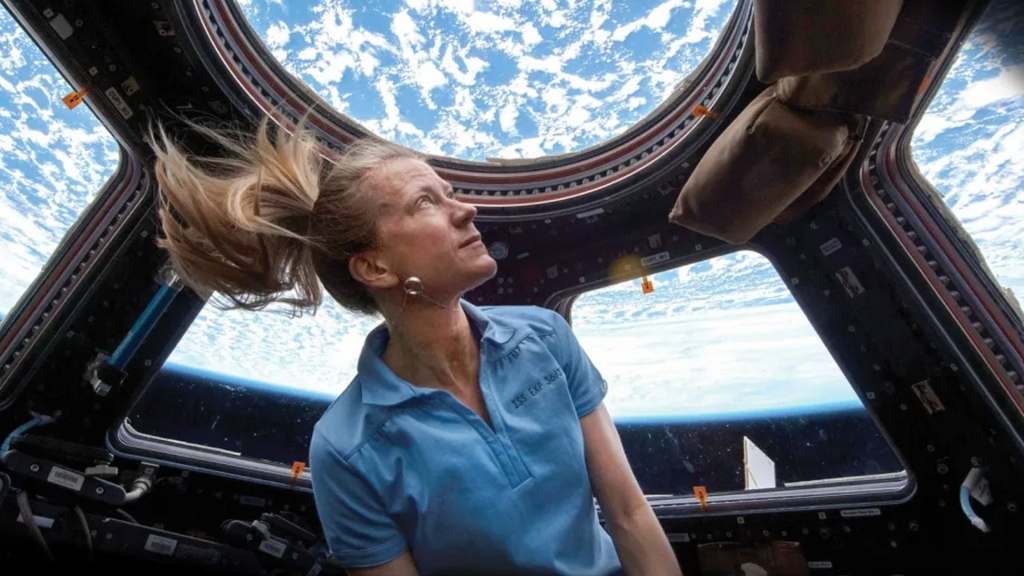
NASA Greenlights Smartphones for Space Missions: A Game-Changing Shift in Astronaut Tech
In a groundbreaking move that signals a new era for space exploration, NASA has officially approved the use of personal smartphones for government missions, starting with Crew-12 and the highly anticipated Artemis II flight. This decision marks a significant departure from the agency’s traditional reliance on specialized equipment, embracing the power and versatility of consumer technology in the final frontier.
The policy change, announced by NASA Administrator Jared Isaacman, allows astronauts to carry modern iPhone and Android devices on their missions, providing them with unprecedented flexibility in documenting their experiences and sharing real-time updates with the public. This shift is not merely a matter of convenience; it represents a fundamental rethinking of how NASA approaches technology in space.
Crew-12, scheduled for launch to the International Space Station in mid-February 2026, will be the first mission to benefit from this new policy. Artemis II, the long-awaited return of humans to lunar orbit, is now expected to launch in March, carrying consumer phones alongside traditional spaceflight imaging equipment.
The decision to fast-track hardware approval for these devices marks a procedural shift within NASA operations. It demonstrates the agency’s willingness to adapt to rapidly evolving technology and prioritize operational efficiency over rigid adherence to legacy procedures.
Isaacman emphasized the importance of this change, stating, “We are giving our crews the tools to capture special moments for their families and share inspiring images and video with the world.” This move not only enhances the astronauts’ ability to document their missions but also opens up new possibilities for public engagement and scientific research.
The swift adoption of capable hardware could have far-reaching implications beyond just improved documentation. As Isaacman noted, “Just as important, we challenged long-standing processes and qualified modern hardware for spaceflight on an expedited timeline. That operational urgency will serve NASA well as we pursue the highest-value science and research in orbit and on the lunar surface.”
Until now, astronauts relied heavily on Nikon DSLR cameras and GoPros, many of which were designed years ago. While these devices remain capable, they lack the immediacy and versatility of modern smartphones. The combination of advanced sensors, image stabilization, ultra-wide lenses, and video features in a single, familiar device presents a compelling case for their use in space.
NASA believes that the familiarity astronauts have with smartphones may allow crews to capture more spontaneous moments without interrupting scheduled mission tasks or relying on specialized equipment. This could lead to a significant increase in informal imagery and video from space, potentially making upcoming missions among the most thoroughly documented in NASA history.
However, the agency has not outlined specific limits on personal content creation, though mission safety rules still apply. This leaves room for astronauts to potentially become social media stars, sharing their experiences in real-time with millions of followers back on Earth.
It’s worth noting that smartphones have flown to space before, including on private SpaceX missions. What makes this development unique is NASA’s formal approval of personal devices for flagship government missions. This move reflects a willingness to reconsider conservative technology rules that have long governed space exploration.
The long-term impact of this decision remains to be seen. It could pave the way for expedited qualification of other consumer technologies for space use, potentially revolutionizing how NASA approaches equipment selection for future missions. Alternatively, it may remain limited to low-risk hardware such as personal smartphones.
As we look to the future of space exploration, this small step in embracing consumer technology could lead to giant leaps in how we document, share, and engage with humanity’s greatest adventures beyond Earth. The stars, it seems, are now just a smartphone camera click away.
Tags and Viral Phrases:
- 🚀 NASA approves smartphones for space missions
- 📱 Astronauts to use iPhones and Androids in orbit
- 🌕 Artemis II to carry consumer tech to the Moon
- 📸 Game-changing shift in space photography
- 💡 NASA embraces consumer technology
- 🎥 Astronauts as social media stars
- 🌐 Real-time updates from space
- 🔧 Fast-tracking tech approval for missions
- 🛰️ ISS gets a tech upgrade
- 🚀 Crew-12 mission goes high-tech
- 📲 Space selfies incoming
- 🌌 Documenting the final frontier with smartphones
- 🔬 Scientific research gets a tech boost
- 🎬 Hollywood-quality footage from space
- 🌍 Bringing space closer to Earth
- 🤳 Astronauts’ personal devices in orbit
- 🚀 Breaking barriers: Consumer tech meets space exploration
- 🌠 A new era of space documentation
- 📡 Enhanced communication from orbit
- 🚀 NASA’s tech revolution takes off
,

Leave a Reply
Want to join the discussion?Feel free to contribute!