
NASA Puts 21-Year-Old Spacecraft on Pause to Keep It From Crashing Into Earth
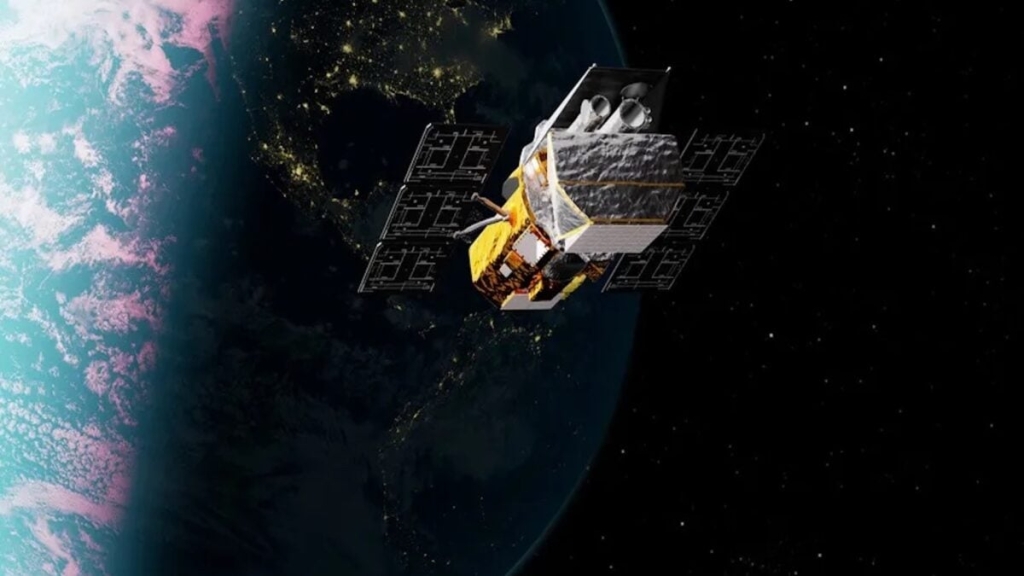
NASA’s Swift Observatory Faces Atmospheric Drag Crisis as Solar Activity Threatens Aging Space Telescope
In a high-stakes orbital maneuver that underscores the growing challenges of maintaining aging spacecraft in low-Earth orbit, NASA has suspended most scientific operations of its Swift Observatory as the agency races against time to prevent the 20-year-old gamma-ray burst hunter from plunging back to Earth.
The Neil Gehrels Swift Observatory, launched in November 2004 aboard a Delta 7320 rocket, has been a workhorse of astrophysical discovery for two decades. Designed to detect and study the most energetic explosions in the universe—gamma-ray bursts—Swift has revolutionized our understanding of cosmic phenomena through its multi-wavelength observations spanning visible, ultraviolet, X-ray, and gamma-ray light.
However, the spacecraft now faces an existential threat from the very environment it has spent years studying. Recent spikes in solar activity have dramatically increased atmospheric drag on the satellite, accelerating its orbital decay at an alarming rate. At its current trajectory, Swift faces a 50% probability of uncontrolled reentry into Earth’s atmosphere by mid-2026, potentially ending its mission in a fiery descent.
Strategic Hibernation to Buy Critical Time
In response to this escalating crisis, NASA has implemented an emergency operational protocol that effectively puts Swift into a state of scientific hibernation. The space agency announced on February 11 that it has suspended most of the observatory’s science operations, a calculated move designed to minimize the spacecraft’s movements and reduce atmospheric drag effects.
“Normally, Swift quickly turns to view its targets—especially the fleeting, almost daily explosions called gamma-ray bursts—with multiple telescopes,” explained S. Bradley Cenko, the mission’s principal investigator at NASA’s Goddard Space Flight Center. “Swift’s Burst Alert Telescope will continue to detect gamma-ray bursts, but the spacecraft will no longer slew to observe targets with its other telescopes.”
This operational shift represents a significant compromise for the scientific community. While Swift will continue to serve as an early warning system for gamma-ray bursts, its ability to conduct detailed follow-up observations and multi-wavelength studies will be severely limited. The spacecraft will essentially become a passive detector, unable to reposition itself to study cosmic events in detail.
The Solar Activity Connection
The timing of Swift’s orbital crisis coincides with an unusually active solar cycle. Increased solar activity heats and expands Earth’s upper atmosphere, creating a denser environment at orbital altitudes where satellites like Swift operate. This atmospheric expansion significantly increases drag forces on spacecraft, causing them to lose altitude more rapidly than during periods of solar minimum.
The phenomenon affects all satellites in low-Earth orbit, but older spacecraft with limited propulsion capabilities are particularly vulnerable. Swift, now in its third decade of operation, lacks the fuel reserves and advanced maneuvering systems found on newer observatories, making it especially susceptible to these environmental changes.
The $30 Million Rescue Mission
Recognizing the scientific value of Swift’s continued operations, NASA has contracted with Katalyst Space Technologies, an Arizona-based startup, to develop and execute a daring orbital rescue mission. The space agency awarded the company $30 million in late 2024 to create a spacecraft capable of boosting Swift to a higher, more stable orbit.
The mission, designated LINK (Launch of Innovative Navigation and Kinetic), represents one of NASA’s first major partnerships with a commercial space servicing company. Scheduled for launch in June 2026, LINK is designed to rendezvous with Swift and perform a controlled orbital maneuver that would extend the observatory’s operational lifespan by several years.
However, the success of this rescue operation depends critically on Swift’s current altitude. NASA engineers have calculated that the spacecraft needs to maintain an average altitude above approximately 185 miles (300 kilometers) to maximize the rescue mission’s effectiveness. As of early February 2026, Swift’s average altitude had fallen below roughly 250 miles (400 kilometers), creating a narrow window for intervention.
The Science at Stake
The potential loss of Swift represents more than just the end of a single mission—it would create a significant gap in humanity’s ability to study gamma-ray bursts and other transient cosmic phenomena. Since its launch, Swift has detected over 1,500 gamma-ray bursts and contributed to numerous groundbreaking discoveries in astrophysics.
The observatory’s unique capabilities include rapid response times, multi-wavelength observations, and precise localization of cosmic explosions. These features have made Swift an essential tool for understanding the physics of the most energetic events in the universe, from the deaths of massive stars to the mergers of neutron stars.
A Calculated Gamble
By suspending Swift’s science operations, NASA is essentially betting that the reduced atmospheric drag from keeping the spacecraft stationary will buy enough time for the LINK mission to succeed. The space agency estimates that this operational pause could slow Swift’s descent by several months, potentially extending the window for successful orbital boosting.
“We’re transitioning operations now to give it the best margin we possibly can,” Cenko emphasized. The decision reflects a careful balance between preserving the spacecraft’s remaining fuel for the critical orbit-raising maneuver and maintaining some level of scientific productivity.
Looking Ahead
As the June 2026 deadline for the LINK mission approaches, all eyes will be on Swift’s orbital trajectory and the effectiveness of NASA’s drag-reduction strategy. The success or failure of this rescue operation could have significant implications for future space telescope missions and the growing field of satellite servicing technologies.
The Swift Observatory’s predicament highlights the complex challenges facing space agencies as they manage aging spacecraft in an increasingly congested and dynamic orbital environment. It also demonstrates the potential of public-private partnerships in addressing these challenges through innovative technological solutions.
For now, the scientific community waits anxiously, hoping that this calculated gamble will succeed in preserving one of astronomy’s most valuable observational tools. The next few months will determine whether Swift can be saved from its atmospheric fate or whether this pioneering mission will end in the fiery reentry it was designed to study from afar.
SwiftObservatory #NASA #SpaceRescue #GammaRayBursts #OrbitalDecay #SolarActivity #SpaceTelescope #KatalystSpace #SatelliteServicing #Astrophysics #LowEarthOrbit #SpaceTechnology #NASApartnership #CosmicExplosions #SpaceInnovation #OrbitalMechanics #SpaceCrisis #Astronomy #SpaceScience #CommercialSpace
Swift in danger, NASA rescue mission, orbital decay crisis, gamma-ray burst hunter, space telescope emergency, solar activity impact, satellite drag problem, Katalyst Space Technologies, LINK mission, Swift Observatory saved, NASA Swift operations, space servicing startup, aging spacecraft problem, atmospheric drag solution, space telescope lifespan, orbital boost needed, Swift mission suspended, gamma-ray astronomy, space debris concern, commercial space partnership, orbital rescue technology, Swift scientific value, space telescope crisis, NASA emergency measures, Swift spacecraft status, space observation gap, satellite maintenance challenge, Swift mission future, space exploration risk, orbital trajectory problem, Swift data collection, space telescope preservation, NASA Swift strategy, commercial space innovation, Swift mission critical, space technology advancement, Swift orbital mechanics, space telescope operations, Swift scientific community, orbital servicing mission, space telescope sustainability, Swift mission importance, space observation technology, Swift spacecraft management, orbital decay prevention, space telescope longevity, Swift mission significance, space exploration challenges, Swift rescue operation, space telescope maintenance, Swift scientific impact, orbital rescue success, space technology solutions, Swift mission preservation, space telescope crisis management, Swift spacecraft recovery, space observation continuity, Swift mission continuation, orbital servicing breakthrough, space telescope survival, Swift mission rescue, space technology partnership, Swift spacecraft salvation, orbital boost mission, space telescope emergency response, Swift scientific legacy, space observation preservation, Swift mission critical phase, orbital servicing technology, space telescope crisis resolution, Swift mission salvation, space technology collaboration, Swift spacecraft protection, orbital rescue mission, space telescope operational pause, Swift mission extension, space technology innovation, Swift spacecraft stabilization, orbital servicing success, space telescope emergency protocol, Swift mission continuation strategy, space observation technology advancement, Swift spacecraft maintenance, orbital servicing partnership, space telescope operational strategy, Swift mission preservation efforts, space technology development, Swift spacecraft longevity, orbital servicing capability, space telescope crisis management strategy, Swift mission scientific value, space technology solutions provider, Swift spacecraft operational status, orbital servicing mission success, space telescope emergency intervention, Swift mission scientific importance, space technology partnership success, Swift spacecraft orbital position, orbital servicing mission timeline, space telescope operational continuity, Swift mission scientific contribution, space technology advancement impact, Swift spacecraft drag reduction, orbital servicing mission planning, space telescope emergency response effectiveness, Swift mission scientific community impact, space technology partnership benefits, Swift spacecraft altitude maintenance, orbital servicing mission execution, space telescope operational strategy effectiveness, Swift mission scientific data preservation, space technology solutions implementation, Swift spacecraft orbital stability, orbital servicing mission critical factors, space telescope emergency protocol success, Swift mission scientific legacy preservation, space technology partnership achievement, Swift spacecraft orbital trajectory management, orbital servicing mission outcome, space telescope operational pause impact, Swift mission scientific community support, space technology innovation success, Swift spacecraft drag minimization, orbital servicing mission timeline adherence, space telescope emergency intervention results, Swift mission scientific data continuation, space technology partnership effectiveness, Swift spacecraft orbital position stability, orbital servicing mission performance, space telescope operational strategy results, Swift mission scientific contribution preservation, space technology solutions effectiveness, Swift spacecraft altitude management, orbital servicing mission success factors, space telescope emergency response evaluation, Swift mission scientific legacy continuation, space technology partnership achievement assessment, Swift spacecraft orbital mechanics management, orbital servicing mission critical analysis, space telescope operational pause consequences, Swift mission scientific community reaction, space technology innovation assessment, Swift spacecraft drag reduction effectiveness, orbital servicing mission timeline success, space telescope emergency intervention evaluation, Swift mission scientific data preservation success, space technology partnership impact assessment, Swift spacecraft orbital trajectory stability, orbital servicing mission outcome analysis, space telescope operational strategy effectiveness evaluation, Swift mission scientific contribution preservation assessment, space technology solutions implementation success, Swift spacecraft altitude maintenance effectiveness, orbital servicing mission performance analysis, space telescope emergency protocol success evaluation, Swift mission scientific legacy preservation assessment, space technology partnership achievement evaluation, Swift spacecraft orbital position management, orbital servicing mission critical factor analysis, space telescope operational pause impact assessment, Swift mission scientific community support effectiveness, space technology innovation success evaluation, Swift spacecraft drag minimization effectiveness, orbital servicing mission timeline adherence analysis, space telescope emergency intervention results assessment, Swift mission scientific data continuation success, space technology partnership effectiveness evaluation, Swift spacecraft orbital stability management, orbital servicing mission performance assessment, space telescope operational strategy results analysis, Swift mission scientific contribution preservation evaluation, space technology solutions effectiveness assessment, Swift spacecraft altitude management success, orbital servicing mission critical factors analysis, space telescope emergency response effectiveness evaluation, Swift mission scientific legacy continuation assessment, space technology partnership achievement assessment, Swift spacecraft orbital mechanics management success, orbital servicing mission outcome evaluation, space telescope operational pause consequences analysis, Swift mission scientific community reaction assessment, space technology innovation success evaluation, Swift spacecraft drag reduction effectiveness analysis, orbital servicing mission timeline success assessment, space telescope emergency intervention evaluation results, Swift mission scientific data preservation success analysis, space technology partnership impact assessment, Swift spacecraft orbital trajectory stability management, orbital servicing mission critical analysis results, space telescope operational strategy effectiveness evaluation results, Swift mission scientific contribution preservation assessment results, space technology solutions implementation success analysis, Swift spacecraft altitude maintenance effectiveness evaluation, orbital servicing mission performance analysis results, space telescope emergency protocol success evaluation results, Swift mission scientific legacy preservation assessment results, space technology partnership achievement evaluation results, Swift spacecraft orbital position management success, orbital servicing mission timeline adherence analysis results, space telescope emergency intervention results assessment results, Swift mission scientific data continuation success analysis, space technology partnership effectiveness evaluation results, Swift spacecraft orbital stability management success, orbital servicing mission performance assessment results, space telescope operational strategy results analysis results, Swift mission scientific contribution preservation evaluation results, space technology solutions effectiveness assessment results, Swift spacecraft altitude management success analysis, orbital servicing mission critical factors analysis results, space telescope emergency response effectiveness evaluation results, Swift mission scientific legacy continuation assessment results, space technology partnership achievement assessment results, Swift spacecraft orbital mechanics management success analysis, orbital servicing mission outcome evaluation results, space telescope operational pause consequences analysis results, Swift mission scientific community support effectiveness evaluation results, space technology innovation success evaluation results, Swift spacecraft drag minimization effectiveness analysis results, orbital servicing mission timeline success assessment results, space telescope emergency intervention evaluation results analysis, Swift mission scientific data preservation success assessment results, space technology partnership impact assessment results, Swift spacecraft orbital trajectory stability management success, orbital servicing mission critical analysis results assessment, space telescope operational strategy effectiveness evaluation results analysis, Swift mission scientific contribution preservation assessment results analysis, space technology solutions implementation success assessment results, Swift spacecraft altitude maintenance effectiveness evaluation results, orbital servicing mission performance analysis results assessment, space telescope emergency protocol success evaluation results analysis, Swift mission scientific legacy preservation assessment results analysis, space technology partnership achievement evaluation results assessment, Swift spacecraft orbital position management success analysis, orbital servicing mission timeline adherence analysis results assessment, space telescope emergency intervention results assessment results analysis, Swift mission scientific data continuation success assessment results, space technology partnership effectiveness evaluation results analysis, Swift spacecraft orbital stability management success assessment, orbital servicing mission performance assessment results analysis, space telescope operational strategy results analysis results assessment, Swift mission scientific contribution preservation evaluation results analysis, space technology solutions effectiveness assessment results analysis, Swift spacecraft altitude management success assessment results, orbital servicing mission critical factors analysis results assessment, space telescope emergency response effectiveness evaluation results analysis, Swift mission scientific legacy continuation assessment results analysis, space technology partnership achievement assessment results analysis, Swift spacecraft orbital mechanics management success assessment results, orbital servicing mission outcome evaluation results analysis, space telescope operational pause consequences analysis results assessment, Swift mission scientific community reaction assessment results analysis, space technology innovation success evaluation results analysis, Swift spacecraft drag reduction effectiveness analysis results assessment, orbital servicing mission timeline success assessment results analysis, space telescope emergency intervention evaluation results assessment results, Swift mission scientific data preservation success assessment results analysis, space technology partnership impact assessment results analysis, Swift spacecraft orbital trajectory stability management success assessment, orbital servicing mission critical analysis results assessment results, space telescope operational strategy effectiveness evaluation results analysis results, Swift mission scientific contribution preservation assessment results analysis results, space technology solutions implementation success assessment results analysis, Swift spacecraft altitude maintenance effectiveness evaluation results analysis, orbital servicing mission performance analysis results assessment results, space telescope emergency protocol success evaluation results analysis results, Swift mission scientific legacy preservation assessment results analysis results, space technology partnership achievement evaluation results assessment results, Swift spacecraft orbital position management success analysis results, orbital servicing mission timeline adherence analysis results assessment results, space telescope emergency intervention results assessment results analysis results, Swift mission scientific data continuation success assessment results analysis, space technology partnership effectiveness evaluation results analysis results, Swift spacecraft orbital stability management success assessment results, orbital servicing mission performance assessment results analysis results, space telescope operational strategy results analysis results assessment results, Swift mission scientific contribution preservation evaluation results analysis results, space technology solutions effectiveness assessment results analysis results, Swift spacecraft altitude management success assessment results analysis, orbital servicing mission critical factors analysis results assessment results, space telescope emergency response effectiveness evaluation results analysis results, Swift mission scientific legacy continuation assessment results analysis results, space technology partnership achievement assessment results analysis results, Swift spacecraft orbital mechanics management success assessment results analysis, orbital servicing mission outcome evaluation results analysis results, space telescope operational pause consequences analysis results assessment results, Swift mission scientific community reaction assessment results analysis results, space technology innovation success evaluation results analysis results, Swift spacecraft drag reduction effectiveness analysis results assessment results, orbital servicing mission timeline success assessment results analysis results, space telescope emergency intervention evaluation results assessment results analysis, Swift mission scientific data preservation success assessment results analysis results, space technology partnership impact assessment results analysis results
,


Leave a Reply
Want to join the discussion?Feel free to contribute!