
NASA says it needs to haul the Artemis II rocket back to the hangar for repairs
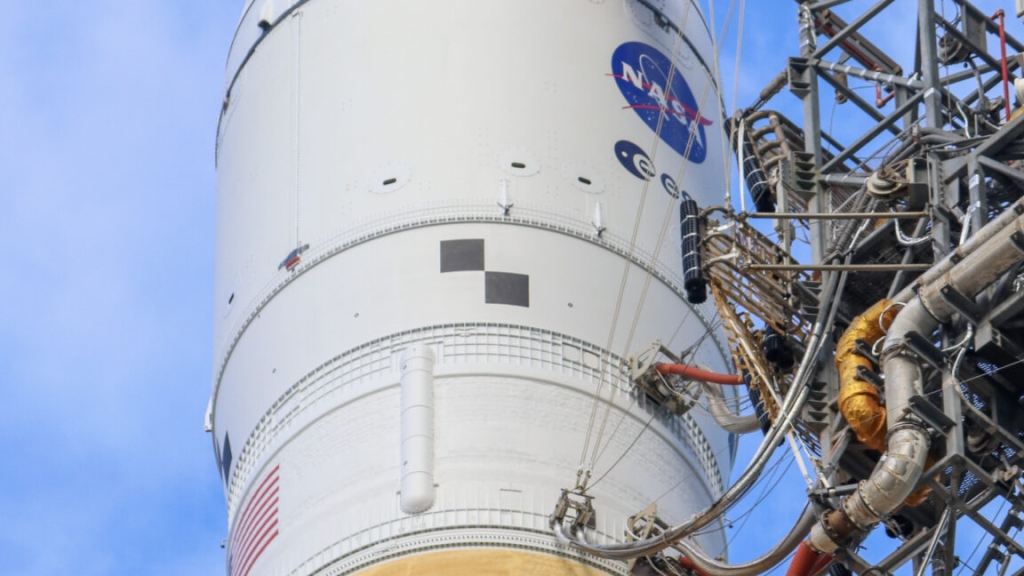
Helium System Hiccup Forces NASA to Roll Back SLS Rocket to VAB Amid Artemis II Preparations
In a dramatic turn of events that underscores the razor-thin margins of spaceflight engineering, NASA has made the decision to roll back its massive Space Launch System (SLS) rocket to the Vehicle Assembly Building (VAB) after encountering a critical helium system failure during the final countdown rehearsal for Artemis II.
The helium system in question is part of the Interim Cryogenic Propulsion Stage (ICPS), the powerful upper stage that will propel the Orion spacecraft beyond Earth orbit toward the Moon. During what was supposed to be a routine repressurization operation, the team suddenly found themselves unable to establish helium flow through the vehicle—a problem that immediately raised red flags across mission control.
“Last evening, the team was unable to get helium flow through the vehicle. This occurred during a routine operation to repressurize the system,” confirmed Jared Isaacman, NASA liaison and tech entrepreneur, in a statement that sent ripples through the aerospace community.
This isn’t NASA’s first dance with helium-related complications. The agency faced a remarkably similar failure signature during the Artemis I launch preparations in 2022, where the culprit turned out to be a failed check valve on the upper stage requiring complete replacement. However, engineers remain cautiously optimistic that this could be a different beast entirely—potentially involving umbilical interface issues with the launch tower or even a problematic filter system.
The stakes couldn’t be higher. Helium plays a crucial role in spaceflight operations, serving dual purposes: purging the upper stage engine to prevent dangerous gas mixtures and pressurizing propellant tanks to maintain optimal flow rates during the critical launch phase. Without reliable helium flow, the entire mission profile becomes compromised.
Currently, the rocket sits in what NASA describes as a “safe configuration,” with backup systems providing purge air to the upper stage as a temporary measure. But this is merely a stopgap solution—the underlying issue demands hands-on attention that simply isn’t possible with the rocket mounted on Launch Pad 39B.
The decision to roll back to the VAB represents a significant logistical undertaking. Technicians will need to extend specialized work platforms around the 322-foot-tall rocket, creating the physical access necessary to investigate and repair the upper stage and its associated umbilical connections. This process alone could take days, if not weeks, depending on what engineers discover once they can get their hands on the hardware.
NASA officials are playing their cards close to the vest regarding timeline implications. The agency stated that initiating rollback preparations now could potentially preserve the April launch window, but this is heavily contingent on “the outcome of data findings, repair efforts, and how the schedule comes to fruition in the coming days and weeks.”
The helium failure comes at a particularly sensitive moment in the Artemis II campaign. Just days earlier, teams had celebrated successful completion of fueling tests, with newly-installed seals performing admirably during Thursday’s countdown demonstration. There was genuine optimism in the air—the kind that makes setbacks feel even more painful.
Adding another layer of complexity, engineers are still grappling with the hydrogen umbilical system located near the bottom of the rocket. This system has been responsible for recurring leaks throughout both the Artemis I and Artemis II launch campaigns, creating a persistent headache for the launch team. While the new seals showed promise during the most recent test, NASA officials have previously warned that vibrations from transporting the rocket between the VAB and the launch pad could damage these delicate components.
The rollback decision also raises questions about whether NASA will attempt another fueling test once the rocket returns to Pad 39B. Given the complexity of the current issues and the tight timeline, some insiders speculate that the agency might opt to address all known problems simultaneously during the VAB period rather than risk additional complications with another rollout.
This latest setback serves as a stark reminder of the unforgiving nature of space exploration. The SLS represents the most powerful rocket NASA has ever built, capable of generating 8.8 million pounds of thrust at liftoff. But with that power comes unprecedented complexity, where even minor system failures can cascade into major delays.
As the aerospace world watches with bated breath, all eyes are now on the VAB, where teams will work tirelessly to diagnose and resolve the helium system issue. The success of Artemis II—which will carry four astronauts on a lunar flyby mission, marking humanity’s first crewed journey beyond low Earth orbit in over half a century—hangs in the balance.
The coming weeks will be critical. Will this be a quick fix, allowing NASA to maintain its ambitious timeline? Or will this helium hiccup join the growing list of challenges that have characterized the SLS program since its inception? Only time, and the expertise of NASA’s engineering teams, will tell.
Tags: NASA, SLS, Space Launch System, Artemis II, helium system failure, VAB rollback, Interim Cryogenic Propulsion Stage, ICPS, rocket engineering, spaceflight challenges, launch delays, aerospace technology, lunar mission, Orion spacecraft, umbilical connections, check valve failure, propellant pressurization, purge systems, hydrogen leaks, April launch window
Viral Phrases: “Helium hiccup halts lunar ambitions,” “NASA’s mighty SLS faces another setback,” “The rocket that keeps rolling back,” “When routine becomes anything but routine,” “Spaceflight’s unforgiving nature on full display,” “Engineering at the edge of possibility,” “The price of pushing boundaries,” “From pad to VAB and back again,” “Apollo’s successor faces modern challenges,” “Where even helium can ground a moon rocket”
,


Leave a Reply
Want to join the discussion?Feel free to contribute!