
Nasal spray could prevent infections from any flu strain
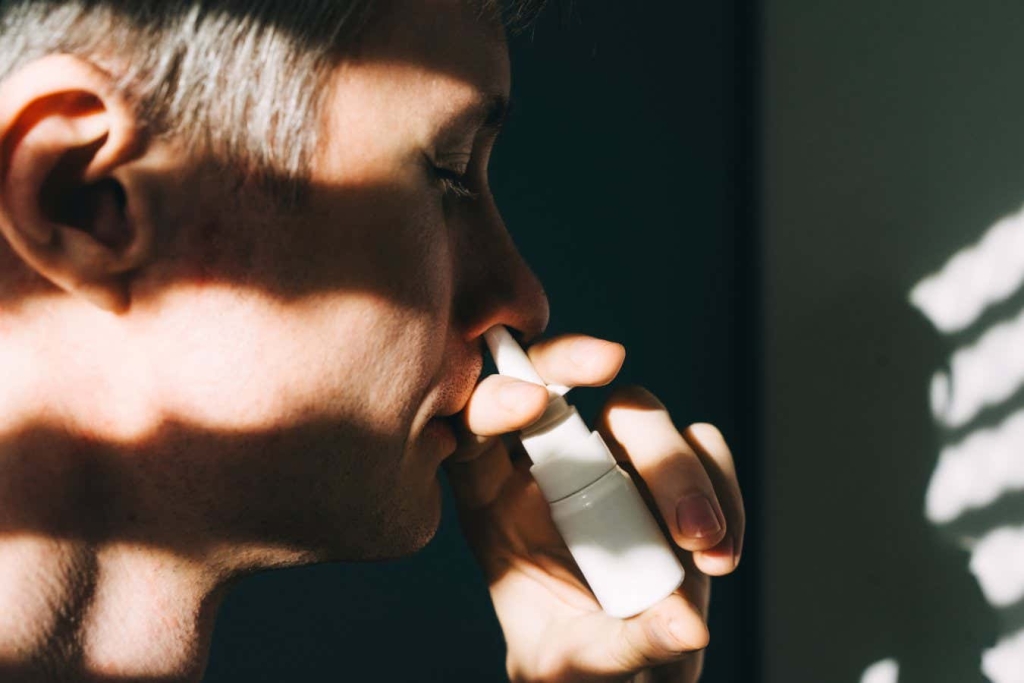
Revolutionary Nasal Spray Could Change the Game in Flu Prevention
In a groundbreaking development that could reshape our approach to influenza prevention, scientists have unveiled promising results for a novel antibody nasal spray that offers broad-spectrum protection against multiple flu strains. This innovative approach represents a potential paradigm shift in how we combat seasonal flu and prepare for future pandemics.
A New Frontier in Flu Defense
The pharmaceutical landscape for influenza prevention may be on the verge of a significant transformation. Johnson & Johnson initially developed a remarkable antibody called CR9114, engineered to neutralize any influenza strain by targeting a conserved region of the virus that remains unchanged across different variants. This universal approach addresses one of the most persistent challenges in flu prevention: the virus’s constant mutation.
However, early attempts to deliver CR9114 through traditional injection methods proved disappointing. The antibody failed to provide robust protection because only minimal amounts reached the nasal cavity—the primary entry point for influenza viruses. This limitation led to an innovative solution that could revolutionize how we think about respiratory virus prevention.
The Birth of a Nasal Solution
Recognizing the delivery challenge, Leyden Labs licensed the CR9114 technology in 2022 and embarked on developing a nasal spray formulation. This approach makes intuitive sense: by delivering the antibody directly to where flu viruses typically enter the body, the protective effect could be dramatically enhanced.
The science behind this approach is elegantly simple yet potentially transformative. Rather than relying on the bloodstream to carry antibodies to the nasal passages, the spray delivers them directly to the frontline of infection. This targeted delivery system could provide immediate, localized protection precisely where it’s needed most.
Promising Results in Animal Studies
Before human trials, researchers conducted extensive testing in animal models. Mice and macaques that received the nasal spray showed remarkable resistance when exposed to various influenza A and B strains, including historically significant variants. Notably, the spray demonstrated effectiveness against a strain collected from a scientist’s throat during a severe flu season in 1933—a testament to its broad-spectrum capabilities.
These animal studies provided crucial proof-of-concept data, demonstrating that the nasal delivery system could indeed provide meaningful protection against diverse influenza strains. The results were sufficiently compelling to warrant progression to human trials.
Human Trials Show Encouraging Results
The preliminary human trials involved 143 participants aged 18 to 55, representing a diverse cross-section of the population. The results were encouraging on multiple fronts. First, the twice-daily administration regimen maintained steady antibody levels in participants’ nasal passages, suggesting consistent protection throughout the day.
Perhaps more importantly, the spray was well-tolerated, with no major side effects reported. This safety profile is crucial for any preventive intervention that might be used by large populations. Additionally, laboratory analysis of nasal mucus samples collected from participants showed neutralization of various influenza strains, including a bird flu variant that had previously crossed into humans in China in 2013.
The Road Ahead
While these results are promising, researchers emphasize that the next critical step involves directly exposing vaccinated individuals to influenza viruses to confirm that the spray actually prevents illness. This phase of testing will provide the definitive evidence needed to determine whether the nasal spray can deliver on its considerable promise.
The potential applications of this technology extend far beyond routine flu prevention. During pandemic situations, when time is of the essence and vaccine development may lag behind viral spread, a pre-existing nasal spray could provide rapid population-level protection. Healthcare workers, immunocompromised individuals, and other high-risk groups could particularly benefit from this additional layer of defense.
Expert Perspectives
Linda Wakim from the University of Melbourne provides valuable context for interpreting these findings. She notes that while the spray may not achieve 100% effectiveness—since influenza can enter through multiple routes including the mouth—blocking nasal entry would still intercept the virus at a major access point for infection.
Wakim also acknowledges the practical considerations. The twice-daily administration requirement makes the spray less convenient than traditional vaccines, which typically require only annual or occasional boosters. However, she emphasizes that the technology could be transformative for specific high-risk populations or during emergency pandemic situations where rapid protection is needed while vaccines are being developed.
The Broader Implications
This development represents more than just another flu prevention tool. It exemplifies a broader shift toward mucosal immunity—protecting the body’s surfaces that interface with the external environment. This approach could have applications beyond influenza, potentially extending to other respiratory viruses and even non-respiratory pathogens that enter through mucosal surfaces.
The success of this nasal spray could also accelerate research into other mucosal delivery systems for various medications and vaccines. If proven effective, this technology could inspire a new generation of treatments that work where they’re needed most, rather than relying on systemic distribution through the bloodstream.
Challenges and Considerations
Despite the promising results, several challenges remain. The twice-daily administration requirement could limit widespread adoption, particularly in resource-limited settings. Additionally, the long-term effectiveness of the spray needs to be established, as does its performance across diverse populations and age groups.
Cost considerations will also be important. While the technology shows promise, it must be economically viable to compete with existing prevention strategies. The manufacturing process for producing sufficient quantities of the specialized antibody at scale could present technical and economic challenges.
Looking to the Future
As we emerge from the COVID-19 pandemic with renewed awareness of respiratory virus threats, innovations like this nasal spray take on added significance. The ability to rapidly deploy broad-spectrum protection against influenza could prove invaluable in future pandemic preparedness efforts.
The development also highlights the importance of continued investment in basic research and the value of persistence in the face of initial setbacks. The journey from injected antibody to successful nasal spray demonstrates how scientific challenges often require creative solutions and willingness to explore alternative approaches.
Tags and Viral Phrases
FluPrevention #NasalSpray #UniversalFluProtection #PandemicPreparedness #MedicalInnovation #RespiratoryHealth #AntibodyTechnology #FutureOfMedicine #HealthcareBreakthrough #VirusProtection #ScientificDiscovery #MedicalResearch #PublicHealth #InfluenzaDefense #MucosalImmunity #HealthcareInnovation #VirusNeutralization #MedicalScience #PandemicResponse #HealthTechnology
GameChanger #MedicalBreakthrough #ScienceWins #HealthcareRevolution #VirusFighter #FutureMedicine #HealthInnovation #ScientificProgress #MedicalMarvel #HealthcareHero #VirusDefense #MedicalAdvancement #ScienceAndHealth #HealthcareEvolution #MedicalDiscovery #VirusProtectionTech #HealthScience #MedicalInnovationNow #ScienceSavesLives #HealthcareTomorrow
This comprehensive approach to flu prevention represents a significant step forward in our ongoing battle against influenza. While challenges remain and further testing is needed, the potential benefits of this technology could be substantial, offering new hope for more effective protection against seasonal flu and future pandemic threats.
,


Leave a Reply
Want to join the discussion?Feel free to contribute!