
NASA’s Latest Attempt to Resolve Moon Rocket’s Fueling Problems Didn’t Go As Planned
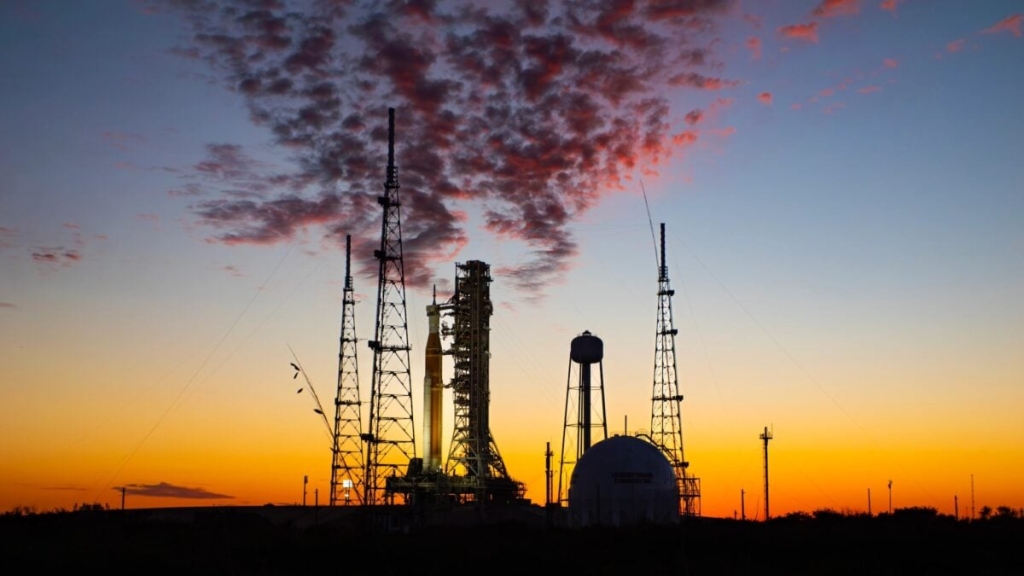
NASA’s Artemis 2 Rocket Faces New Setbacks as Hydrogen Leak Issues Persist
In a dramatic turn of events that has space enthusiasts and industry experts alike holding their breath, NASA’s ambitious Artemis 2 mission—poised to become humanity’s first crewed lunar journey since the Apollo era—has hit yet another major roadblock. The latest challenge emerged during a critical confidence test designed to validate repairs to the Space Launch System’s (SLS) notoriously problematic fueling system, raising serious questions about whether the March launch window remains viable.
The Confidence Test That Wasn’t So Confident
On February 13, 2026, NASA conducted what should have been a routine validation of newly installed seals in the SLS rocket’s tail service mast umbilicals—the crucial connection points that deliver cryogenic propellants to the massive 322-foot-tall rocket. Instead of a smooth operation, engineers encountered unexpected complications that cut the test short and cast doubt on whether the agency can resolve its hydrogen leak problems in time for the upcoming crewed mission.
During the test, operators managed to partially fill only the core stage’s liquid hydrogen tank before ground support equipment malfunctioned, significantly reducing the flow of propellant into the rocket. The partial success was enough to provide some valuable data, but the incomplete nature of the test has left NASA with more questions than answers.
“Engineers will purge the line over the weekend to ensure proper environmental conditions and inspect the ground support equipment before replacing a filter suspected to be the cause of the reduced flow,” NASA stated in an official update. The agency emphasized that despite the setback, teams were able to gather confidence in several key objectives and obtain critical data at the core stage interfaces.
The Haunting Legacy of Hydrogen Leaks
This latest hiccup represents more than just a routine technical challenge—it’s the continuation of a persistent nightmare that has plagued the SLS program since its inception. The February 3 wet dress rehearsal for Artemis 2 first revealed the hydrogen leak in one of the tail service mast umbilicals on the mobile launcher. These 35-foot-tall structures serve as the vital umbilical cord between ground systems and the rocket, providing cryogenic propellant lines and electrical connections.
The situation eerily mirrors the challenges that beset the Artemis 1 mission in 2022, when hydrogen leaks forced multiple launch scrubs and significant delays. During those earlier attempts, NASA’s ground teams eventually resolved the issue by modifying the liquid hydrogen loading procedures—a workaround that had proven successful until now.
However, when the same loading procedure was employed during the Artemis 2 wet dress rehearsal, the leak reappeared, suggesting that the problem runs deeper than previously thought. This recurrence has exposed fundamental vulnerabilities in the SLS fueling system that simple procedural tweaks cannot address.
Technical Deep Dive: Understanding the Challenge
The SLS rocket’s fueling system represents one of the most complex engineering challenges in modern aerospace. Liquid hydrogen, while offering exceptional performance as a rocket propellant due to its low molecular weight, presents unique handling difficulties. The extremely low temperature of -423°F (-253°C) makes seals and connections particularly susceptible to issues, while hydrogen’s small molecular size means it can leak through microscopic imperfections that other substances cannot penetrate.
The tail service mast umbilicals are especially critical because they must maintain perfect seals while accommodating the rocket’s movements and vibrations during fueling operations. The recent test revealed that even newly replaced seals—installed specifically to address the February leak—may not provide the reliability required for crewed missions.
Leadership Under Pressure
NASA Administrator Jared Isaacman addressed the situation candidly on social media platform X, acknowledging the gravity of the challenges while attempting to manage expectations. “Considering the issues observed during the lead-up to Artemis I, and the long duration between missions, we should not be surprised there are challenges entering the Artemis II campaign,” Isaacman wrote. “That does not excuse the situation, but we understand it.”
His comments reflect the delicate balance NASA must strike between maintaining public confidence and acknowledging the very real technical hurdles facing the program. The administrator’s emphasis on understanding rather than excusing the situation suggests an organization grappling with systemic issues that require fundamental solutions rather than quick fixes.
The Stakes Have Never Been Higher
The implications of these setbacks extend far beyond mere schedule delays. Artemis 2 represents a historic milestone as the first crewed lunar mission in over five decades, carrying four astronauts on a journey that will test not only the rocket but the entire deep space exploration architecture NASA has been developing for years.
“There is still a great deal of work ahead to prepare for this historic mission,” Isaacman emphasized. “We will not launch unless we are ready and the safety of our astronauts will remain the highest priority.” This commitment to safety, while commendable, creates additional pressure as each delay increases costs and potentially impacts future mission timelines.
The March launch window was already tight, and these new complications may force NASA to reconsider its schedule entirely. Missing this window would push the mission to later in the year, creating a cascade effect on subsequent Artemis missions and the broader lunar exploration program.
Industry and Public Reaction
The space community’s reaction has been mixed, with some experts expressing frustration at the program’s continued struggles while others emphasize the inherent difficulties of developing such complex systems. “These are the growing pains of a new launch system,” noted one aerospace engineer familiar with the program. “The fact that they’re catching these issues during tests rather than during actual launch attempts shows the system is working as designed.”
However, critics point to the mounting costs and delays as evidence that the SLS program may be fundamentally flawed. With each setback, questions resurface about whether NASA’s heavy-lift rocket represents the most efficient path forward for lunar exploration, especially as commercial alternatives like SpaceX’s Starship continue to advance.
Looking Ahead: What’s Next for Artemis 2?
NASA teams are now racing against time to diagnose and resolve the latest issues before the March window closes. The immediate focus is on replacing the suspected faulty filter in the ground support equipment and conducting thorough inspections to ensure no other hidden problems exist.
Beyond the immediate fixes, the agency faces deeper questions about the long-term reliability of the SLS fueling system. The recurrence of hydrogen leak issues despite previous solutions suggests that more comprehensive engineering changes may be necessary—changes that could require significant additional time and resources.
As engineers work through the weekend to purge lines and inspect equipment, the entire Artemis program hangs in the balance. The success or failure of these efforts will determine not only the fate of Artemis 2 but also shape the trajectory of NASA’s lunar exploration ambitions for years to come.
The world will be watching closely as NASA attempts to overcome yet another hurdle in its journey back to the Moon. Whether this represents a temporary setback or a sign of deeper systemic issues remains to be seen, but one thing is certain: the path to lunar exploration remains as challenging as it is inspiring.
Tags & Viral Phrases
Artemis 2 delayed, NASA hydrogen leak crisis, SLS rocket problems 2026, Space Launch System failures, lunar mission setbacks, crewed Moon mission jeopardy, NASA technical difficulties, Artemis program challenges, hydrogen fueling issues, tail service mast umbilical problems, NASA launch delays, March launch window at risk, Artemis 2 crew safety concerns, space exploration setbacks, NASA engineering challenges, SLS fueling system failures, lunar mission technical problems, NASA Administrator Jared Isaacman, Artemis 1 deja vu, wet dress rehearsal issues, cryogenic propellant complications, space program cost overruns, commercial space competition, SpaceX Starship alternative, lunar exploration hurdles, NASA mission scrubs, rocket launch technical failures, space program credibility crisis, deep space exploration challenges, aerospace engineering problems, NASA troubleshooting efforts, space mission timeline delays, crewed spaceflight safety, lunar return program issues, NASA public relations challenges, space industry setbacks, engineering system reliability, space program transparency, mission critical failures, aerospace development challenges
,


Leave a Reply
Want to join the discussion?Feel free to contribute!