
Navy Base Shoots Down Unauthorized Drone, But The Pilot Was One Of Their Own
Navy Base Shoots Down Unauthorized Drone, But The Pilot Was One Of Their Own
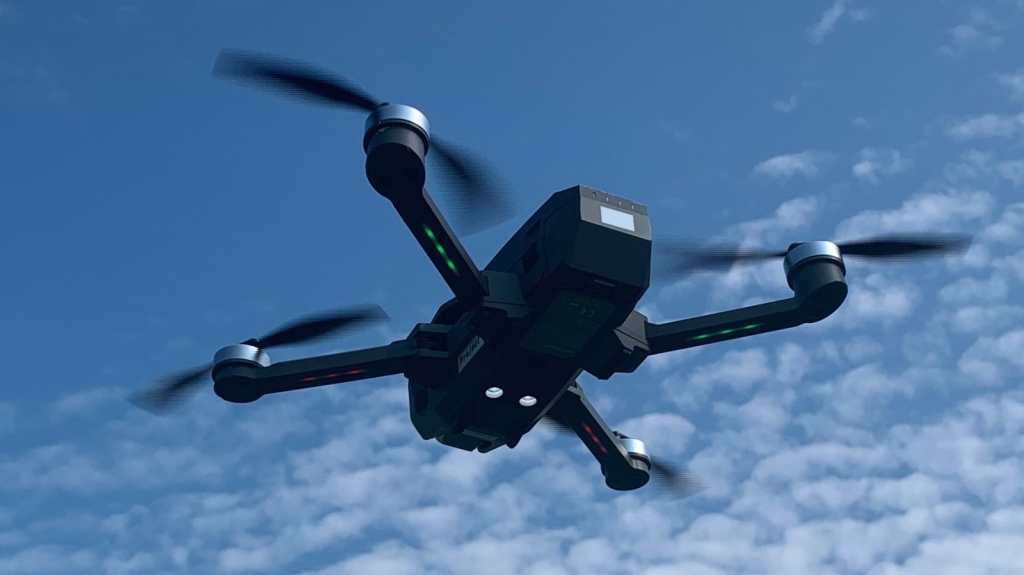
In a surprising turn of events, the U.S. Navy recently shot down an unauthorized drone operating in restricted airspace at Naval Air Station Whidbey Island, Washington. The twist? The pilot wasn’t a foreign adversary or a rogue civilian—it was a Navy reservist stationed at the base. The incident, which occurred in early February 2026, has sparked conversations about the dangers of small drones, the importance of strict airspace regulations, and the potential consequences of even well-intentioned mistakes.
The drone, a small quadcopter, was detected by the base’s advanced defense systems and quickly neutralized. While the Navy has not disclosed the specific countermeasures used, the swift response underscores the high level of vigilance maintained at military installations. “The drone operator was a reservist here on temporary duty,” explained base spokesman Michael Welding. “During a break, unbeknownst to his superiors, he deployed a personal drone in violation of base regulations. The drone was detected once airborne, and countermeasures were deployed to render the device inoperable.”
Drone Operation on Military Bases is Restricted for a Reason
Military bases like NAS Whidbey Island are highly sensitive environments, home to advanced aircraft and critical operations. The base, which houses the U.S. Navy’s carrier-based EA-18G Growler electronic warfare squadrons, is under constant protection. These aircraft are among the most advanced in the world, designed to disrupt enemy communications and radar systems. The presence of unauthorized drones in such airspace poses a significant threat, as even small quadcopters can be used for reconnaissance or, in some cases, weaponized.
The incident highlights the strict regulations surrounding drone use on military bases. Signs are posted throughout installations to remind personnel and visitors of these rules, but it appears the reservist’s limited active-duty experience may have contributed to the oversight. Reservists typically spend less time on active duty compared to their full-time counterparts, which can sometimes lead to gaps in familiarity with base protocols.
According to Navy Region Northwest’s COMNAVREG NW NOTICE 3501.1, operating personal drones on base without explicit authorization from the commanding officer is strictly prohibited. Violating this policy can result in severe consequences, including criminal charges under the Uniform Code of Military Justice. Civilian drone operators who breach protected airspace can also face civil penalties imposed by the Federal Aviation Administration (FAA).
The restrictions are not arbitrary; they are rooted in the need for force protection. The ongoing Russo-Ukrainian War has demonstrated the potential dangers posed by small drones, which have been used extensively for surveillance and attacks. Military bases worldwide have taken note, maintaining a heightened state of readiness to counter such threats. The incident at NAS Whidbey Island serves as a stark reminder of the importance of adhering to these regulations, even for those who are part of the military community.
While the reservist’s actions were likely unintentional, the consequences could have been far more severe. The quick detection and neutralization of the drone prevented any potential security breaches, but the incident has undoubtedly raised questions about the need for ongoing education and awareness among all personnel, including reservists.
As drone technology continues to advance and become more accessible, the challenge of balancing innovation with security will only grow. For now, the Navy’s swift response to this incident underscores the critical importance of maintaining strict control over restricted airspace and the need for vigilance in an increasingly complex security landscape.
Tags: Navy, drone, military, NAS Whidbey Island, reservist, restricted airspace, EA-18G Growler, countermeasures, force protection, Russo-Ukrainian War, FAA, Uniform Code of Military Justice, COMNAVREG NW NOTICE 3501.1, electronic warfare, surveillance, security, vigilance, innovation, technology, airspace regulations.
Viral Phrases: “Drone shot down by its own Navy,” “Reservist’s mistake sparks security alert,” “Small drone, big consequences,” “Military bases on high alert for drone threats,” “The hidden dangers of personal drones,” “When innovation meets security: A cautionary tale,” “Why even military personnel can’t fly drones on base,” “The Russo-Ukrainian War’s lessons on drone warfare,” “NAS Whidbey Island: A fortress in the sky,” “Unauthorized drone operation: A costly mistake.”
,


Leave a Reply
Want to join the discussion?Feel free to contribute!