
Neanderthals may have treated wounds with antibiotic sticky tar
Neanderthals May Have Used Birch Tar as Ancient Antibiotic to Treat Wounds
In a groundbreaking discovery that is reshaping our understanding of Neanderthal intelligence and medical knowledge, new research suggests our ancient cousins may have been using tree bark tar as a medicinal treatment over 40,000 years ago. This finding, published in a recent study by researchers at the University of Oxford, reveals that Neanderthals were potentially much more sophisticated in their use of natural resources than previously believed.
The research, led by archaeologist Tjaark Siemssen, centers on birch tar—a sticky, viscous substance produced by heating birch bark. While scientists have long known that Neanderthals used this material as an adhesive for tools and weapons, this new study demonstrates that it also possesses powerful antimicrobial properties that could have made it an effective treatment for wounds and infections.
“Our experiments show that birch tar has consistent antimicrobial activity, even when produced using the simple methods available to Neanderthals,” explains Siemssen. “This suggests they may have recognized and utilized its medicinal properties alongside its more obvious uses as an adhesive.”
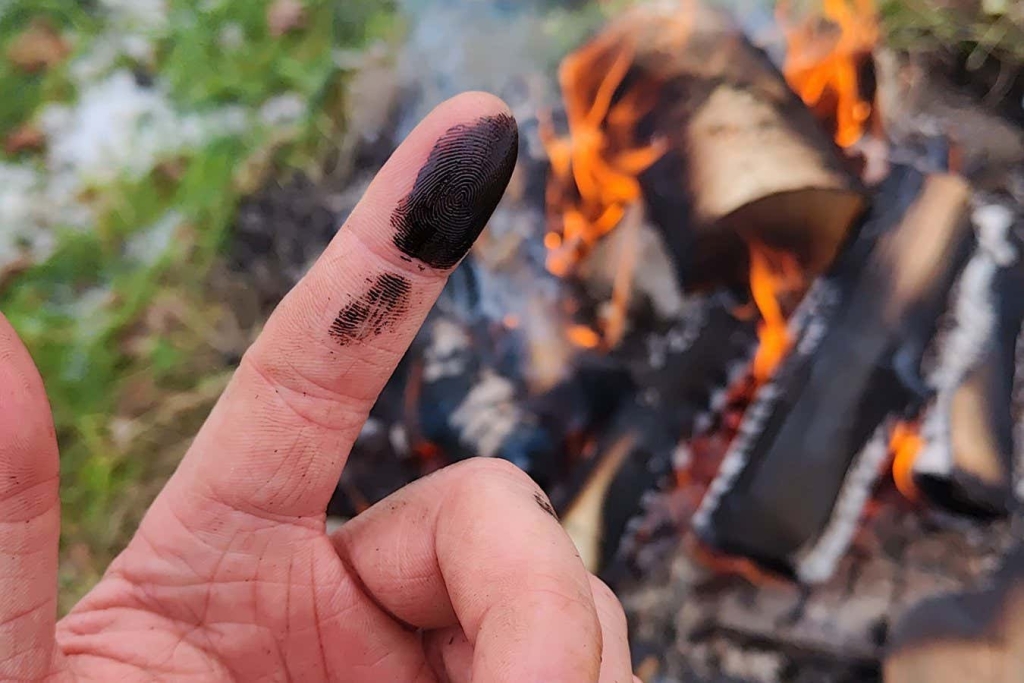
To test this hypothesis, the research team recreated three different methods of producing birch tar that would have been accessible to Neanderthals during the Middle Paleolithic period. The first, dubbed the “raised structure” method, involved digging a pit, placing a collection container at the bottom, piling birch bark above it, and then covering everything with clay before lighting a fire on top. After two hours of heating, the tar would drip down into the collection vessel.
The second method was even more primitive—simply burning small pieces of birch bark beneath a fireproof stone, allowing the tar to condense directly onto the surface. The third method mirrored modern Indigenous practices, using a sealed metal container with small holes to collect the tar.
The results were striking. All but one of the birch tar samples demonstrated significant antimicrobial activity against Staphylococcus aureus, a common bacterium responsible for skin infections and other ailments. The most potent sample came from silver birch bark using the raised structure method, while the only ineffective sample was produced from downy birch using the simplest condensation method.
This discovery adds to a growing body of evidence suggesting that Neanderthals possessed sophisticated medical knowledge. Previous studies have found traces of medicinal plants in Neanderthal dental calculus, including yarrow and chamomile—plants with known anti-inflammatory and pain-relieving properties but little nutritional value. Another Neanderthal individual with a dental abscess showed evidence of consuming plants containing natural painkillers and antibiotics.
“What’s particularly fascinating is that obtaining birch tar requires significant effort and knowledge,” notes Karen Hardy, an archaeologist at the University of Glasgow who was not involved in the study. “The process is complex and time-consuming, which suggests that if Neanderthals were deliberately producing it for medicinal purposes, they must have recognized its unique value.”
The implications of this research extend far beyond simple wound care. If Neanderthals were indeed using birch tar medicinally, it would represent one of the earliest known examples of processed medicinal substances in human evolution. This challenges long-held assumptions about the cognitive capabilities of our extinct relatives and suggests a much closer parallel to modern human behavior than previously acknowledged.
Moreover, the consistency of antimicrobial properties across different production methods indicates that Neanderthals could have discovered these benefits through trial and error, without needing to understand the underlying microbiology. The tar’s effectiveness against common pathogens would have made it a valuable addition to their medical toolkit, particularly in the challenging environments they inhabited.
The study also highlights the importance of interdisciplinary research in archaeology. By combining experimental archaeology with microbiological testing, the researchers were able to bridge the gap between ancient artifacts and their potential functions. This approach not only provides insights into Neanderthal behavior but also demonstrates how traditional knowledge systems—like those of modern Indigenous communities that continue to use birch tar medicinally—can inform our understanding of the past.
As research continues, scientists hope to find direct archaeological evidence of birch tar being used for medicinal purposes, such as residues on tools associated with wound care or in contexts suggesting therapeutic application. Until then, this study provides compelling circumstantial evidence that Neanderthals were not merely surviving in their environments but actively working to improve their quality of life through the innovative use of natural resources.
This discovery serves as a powerful reminder that human evolution is not a simple linear progression but rather a complex tapestry of parallel developments, with different hominin species developing sophisticated behaviors independently. The Neanderthals, long portrayed as primitive cavemen, are increasingly being recognized as intelligent, resourceful beings with their own rich cultural traditions and technological innovations.
NeanderthalMedicine #AncientAntibiotics #PaleoScience #HumanEvolution #ArchaeologicalDiscovery #BirchTar #PrehistoricHealthcare #NeanderthalInnovation #AntimicrobialResearch #StoneAgeTechnology #IndigenousKnowledge #MedicalHistory #EvolutionaryBiology #ArchaeologicalChemistry #PrehistoricLife #HumanOrigins #ScientificDiscovery #ViralScience #TrendingArchaeology #MindBlowingHistory
Neanderthals were way smarter than we thought 🤯, Ancient antibiotics discovered in tree bark, Revolutionary finding changes everything we knew about Neanderthal intelligence, Mind-blowing archaeological breakthrough, This 40,000-year-old medical secret will shock you, Science just proved Neanderthals were medical geniuses, The hidden history of prehistoric medicine revealed, Prepare to have your mind blown by this ancient discovery, This changes everything we thought we knew about human evolution, The most fascinating archaeological finding of the decade, How Neanderthals were secretly way ahead of their time, This ancient medical practice is still used today, The surprising truth about Neanderthal intelligence, Why this discovery is making scientists rethink everything, The incredible story of how tree bark became medicine, What they don’t teach you about Neanderthals in school, This ancient medical secret has modern applications, The groundbreaking research that’s changing history books, How this finding proves Neanderthals were just like us, The most important archaeological discovery you’ve never heard of
,
Leave a Reply
Want to join the discussion?Feel free to contribute!