
Nearly Half of Americans Don’t Know This Popular Food Increases Colon Cancer Risk
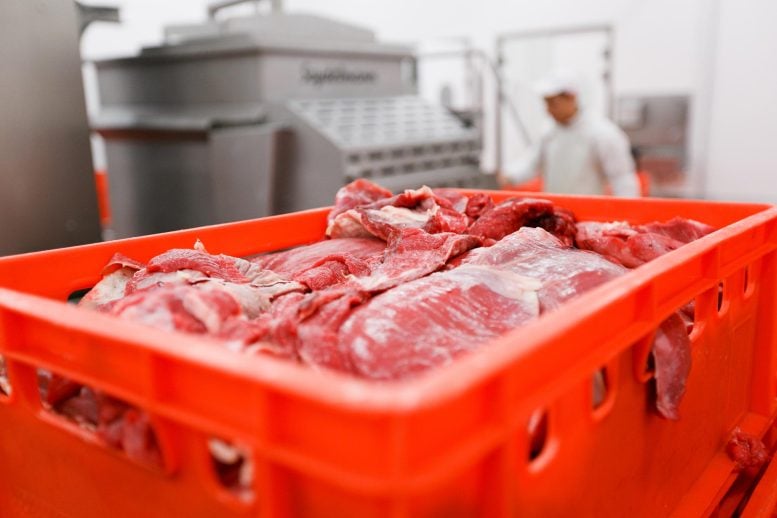
Nearly Half of Americans Unaware That Processed Meat Increases Colon Cancer Risk, New Poll Reveals
A groundbreaking national survey has uncovered a startling lack of public awareness about one of the most significant dietary risk factors for colorectal cancer. The poll, conducted by the Physicians Committee for Responsible Medicine (PCRM) in partnership with Morning Consult, reveals that nearly half of Americans remain unaware that consuming processed meats—such as bacon, sausage, deli slices, and hot dogs—significantly increases the risk of developing colon cancer.
The findings, released just ahead of Colorectal Cancer Awareness Month, highlight a critical gap in public health education and underscore the urgent need for clearer, more widespread messaging about the dangers of processed meat consumption. Colorectal cancer is the second leading cause of cancer-related deaths in the United States, yet many Americans remain in the dark about a major preventable risk factor.
The Poll Results: A Wake-Up Call
The survey, which sampled over 2,200 U.S. adults, found that 47% of respondents were unaware of the link between processed meat and colorectal cancer. This lack of awareness is particularly concerning given the growing body of scientific evidence supporting this connection. The World Health Organization (WHO) classified processed meats as a Group 1 carcinogen in 2015, placing them in the same category as tobacco and asbestos in terms of their cancer-causing potential.
Among the key findings:
- 47% of Americans did not know that processed meat increases the risk of colorectal cancer.
- Only 25% of respondents were aware of the WHO’s classification of processed meat as a carcinogen.
- Younger adults (18-34) were less likely to be aware of the risks compared to older age groups.
- Men were slightly more likely than women to be unaware of the connection.
The Science Behind the Risk
Processed meats are defined as meats that have been transformed through salting, curing, fermentation, smoking, or other processes to enhance flavor or improve preservation. These include bacon, ham, sausages, hot dogs, and most deli meats. The link to colorectal cancer is thought to be due to several factors:
- Nitrates and Nitrites: These preservatives, commonly used in processed meats, can form carcinogenic compounds in the body.
- High Fat Content: Processed meats are often high in saturated fats, which may contribute to inflammation and cancer risk.
- Cooking Methods: Grilling or frying processed meats at high temperatures can produce harmful chemicals like heterocyclic amines (HCAs) and polycyclic aromatic hydrocarbons (PAHs).
Studies have shown that consuming just 50 grams of processed meat per day (about the amount in a single hot dog) increases the risk of colorectal cancer by approximately 18%.
Why Awareness Matters
The lack of awareness revealed by the poll is particularly troubling given the rising rates of colorectal cancer among younger adults. While the disease has traditionally been associated with older populations, recent data shows a sharp increase in diagnoses among people under 50. Experts believe that dietary factors, including processed meat consumption, may play a significant role in this trend.
Dr. Neal Barnard, president of the Physicians Committee for Responsible Medicine, emphasized the importance of public education: “Many people are simply unaware that something as common as a hot dog or a slice of bacon could be increasing their risk of a deadly disease. This poll shows we have a long way to go in terms of public health messaging.”
What Can Be Done?
Health experts are calling for a multi-faceted approach to address this issue:
- Public Health Campaigns: Clearer, more prominent warnings on processed meat packaging, similar to those on tobacco products.
- School Education: Incorporating information about dietary risks into school curricula.
- Healthcare Provider Outreach: Ensuring that doctors and nurses discuss dietary risks with patients during routine checkups.
- Policy Changes: Encouraging governments to implement policies that reduce the consumption of processed meats, such as taxes or subsidies for healthier alternatives.
The Bottom Line
The poll’s findings serve as a stark reminder that knowledge is power when it comes to preventing colorectal cancer. While processed meats remain a staple in many American diets, understanding the risks associated with their consumption is the first step toward making healthier choices.
As Colorectal Cancer Awareness Month approaches, health advocates are urging Americans to educate themselves and their loved ones about the dangers of processed meat. Small changes—like swapping out processed meats for fresh, whole foods—can have a big impact on long-term health.
Tags & Viral Phrases:
Processed meat cancer link, colorectal cancer awareness, WHO processed meat carcinogen, dietary risks, colon cancer prevention, bacon and cancer, sausage health risks, hot dogs and health, nitrates and nitrites dangers, rising colon cancer rates, younger adults cancer risk, public health education, Neal Barnard PCRM, Morning Consult poll, health warnings on food, processed meat substitutes, plant-based diets, cancer-causing foods, dietary guidelines, health misinformation, viral health news, trending health topics, must-read health article, shocking health facts, game-changing health study, eye-opening poll results, breaking health news, health awareness campaign, viral diet tips, trending nutrition news.
,


Leave a Reply
Want to join the discussion?Feel free to contribute!