
Netflix backs down, Paramount now likely to acquire Warner Bros.
BREAKING: Paramount Poised to Acquire Warner Bros. Discovery as Netflix Withdraws from Bidding War
In a stunning turn of events that’s sending shockwaves through Hollywood and Silicon Valley alike, Paramount Global has emerged as the likely victor in the high-stakes battle to acquire Warner Bros. Discovery, after Netflix dramatically withdrew its competing offer, effectively clearing the path for what would be one of the most consequential mergers in entertainment history.
The Billion-Dollar Chess Game That’s Reshaping Streaming
What began as speculative chatter in October 2025 has rapidly evolved into a corporate drama worthy of its own prestige television series. Sources familiar with the negotiations reveal that the streaming wars have reached a fever pitch, with legacy media giants scrambling to consolidate their positions against tech behemoths encroaching on their territory.
The deal, which Paramount values at approximately $31 per share in an all-cash transaction, represents more than just a financial transaction—it’s a strategic masterstroke that could redefine the competitive landscape of streaming entertainment. Industry analysts estimate the total deal value could exceed $50 billion when accounting for Warner Bros. Discovery’s extensive content library, production facilities, and intellectual property portfolio.
The Netflix Curveball: Why They Backed Out
Just two months ago, Netflix appeared to be the frontrunner in what many considered a David-versus-Goliath scenario, with the streaming pioneer potentially acquiring one of Hollywood’s most storied studios. The streaming giant’s sudden withdrawal has left industry insiders scrambling for explanations.
Multiple sources suggest Netflix’s decision stems from a calculated reassessment of its growth strategy. “Netflix realized they were potentially overpaying for a legacy business model that doesn’t align with their future trajectory,” explained Sarah Chen, media analyst at TechInsights Research. “Their focus is shifting toward original content production and international expansion, not managing a traditional studio’s overhead.”
Others point to regulatory concerns that may have spooked Netflix’s board. A merger of this magnitude would undoubtedly face intense scrutiny from antitrust regulators, potentially derailing the deal or forcing painful concessions. By stepping aside, Netflix preserves its war chest for other strategic initiatives while avoiding a protracted regulatory battle.
Paramount’s Master Plan: The Logic Behind the Bid
For Paramount, the acquisition represents a lifeline in an increasingly turbulent media landscape. The company has struggled to compete with streaming giants like Netflix, Disney+, and Amazon Prime, hemorrhaging subscribers and burning through cash reserves in a desperate bid to stay relevant.
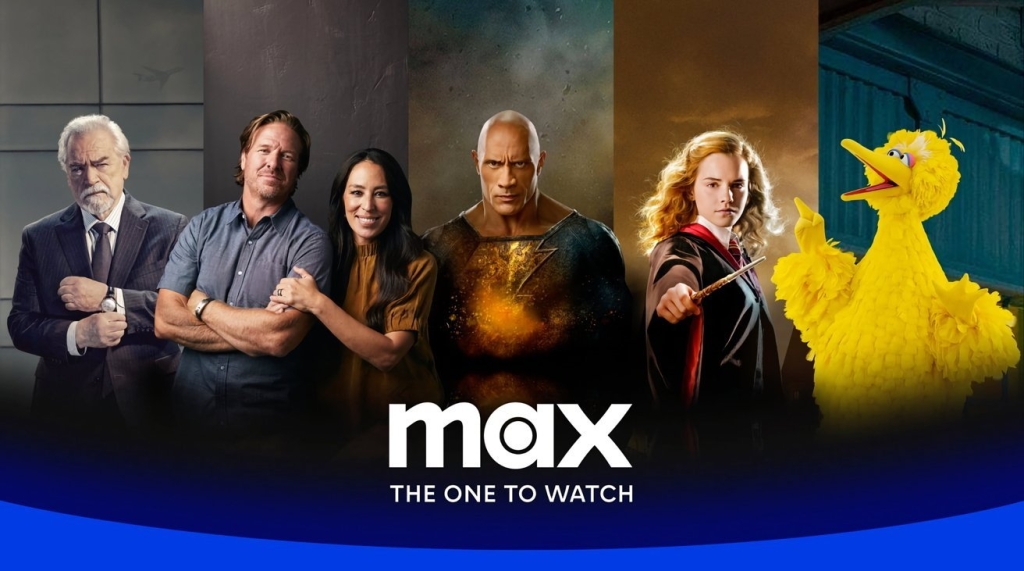
By acquiring Warner Bros. Discovery, Paramount would instantly gain access to a treasure trove of content that includes HBO’s critically acclaimed originals, the DC Universe franchise, Harry Potter, Game of Thrones, and countless other valuable intellectual properties. The combined entity would boast one of the most formidable content libraries in entertainment history.
“This is classic consolidation play,” notes media strategist Marcus Rodriguez. “Paramount is essentially admitting that going it alone in the streaming wars is no longer viable. By joining forces with Warner Bros. Discovery, they’re creating a content powerhouse that could actually compete with Netflix and Disney.”
The Cultural Impact: What This Means for Your Streaming Experience
For consumers, the merger could dramatically reshape the streaming landscape. A combined Paramount-Warner Bros. Discovery entity would control a vast swathe of premium content, potentially forcing cord-cutters to subscribe to yet another service or risk missing out on must-see programming.
Industry insiders speculate that the new entity might adopt a hybrid strategy, maintaining separate brands for premium content (think HBO Max for prestige dramas) while leveraging Paramount’s broader portfolio for more mainstream offerings. Alternatively, they could create a unified platform that combines the best of both worlds, though such a move would require careful navigation of existing licensing agreements.
Hollywood’s Power Players React
The news has sent ripples through Hollywood, with talent agencies, producers, and creatives weighing in on what this consolidation means for the industry. Some view it as a necessary evolution in an era of peak content, while others worry about reduced competition and fewer opportunities for independent voices.
“The streaming wars have created a content bubble that was always going to burst,” says veteran producer Jennifer Martinez. “This merger might actually lead to more quality over quantity, as the combined entity focuses on fewer, better projects rather than the content arms race we’ve seen in recent years.”
However, concerns about job losses and production slowdowns are mounting. Industry sources suggest that a merged entity would likely seek significant cost synergies, potentially leading to layoffs across both organizations’ corporate and production divisions.
The Road Ahead: Regulatory Hurdles and Integration Challenges
While Paramount’s bid appears to be the frontrunner, the deal is far from guaranteed. Antitrust regulators in the United States, European Union, and other major markets are likely to scrutinize the merger closely, particularly given the combined entity’s potential market dominance in streaming and traditional media.
Integration poses another formidable challenge. Merging two corporate cultures, technology platforms, and content strategies is notoriously difficult, as evidenced by past media mergers that have faltered during the integration phase. Paramount and Warner Bros. Discovery would need to move quickly and decisively to realize the promised synergies.
What’s Next in This Hollywood Thriller
As negotiations continue behind closed doors, all eyes are on the key players involved. Will Netflix re-enter the fray with a counteroffer? Could another suitor emerge at the eleventh hour? And how will Disney, Apple, and Amazon—the other major players in the streaming wars—respond to this seismic shift in the landscape?
One thing is certain: the entertainment industry is entering a new era of consolidation and transformation. Whether this particular merger ultimately benefits consumers, creators, and the companies involved remains to be seen, but its impact will undoubtedly be felt for years to come.
This story is developing, and AppleInsider will continue to provide updates as new information becomes available.
Tags: #Paramount #WarnerBrosDiscovery #Netflix #StreamingWars #Hollywood #MediaMerger #TechNews #BreakingNews #EntertainmentIndustry #ContentConsolidation #StreamingServices #CorporateTakeover #MediaAcquisition #HollywoodDrama #TechIndustry #BusinessNews #StreamingRevolution
Viral Phrases: “Hollywood merger madness,” “streaming wars intensify,” “content consolidation era,” “Netflix backs down,” “Paramount’s power play,” “Warner Bros acquisition drama,” “tech giants collide,” “entertainment industry shakeup,” “media landscape transformation,” “corporate chess game,” “streaming dominance battle,” “Hollywood’s future at stake,” “billion-dollar bidding war,” “content library gold mine,” “regulatory scrutiny ahead,” “integration challenges loom,” “consumer impact uncertain,” “talent agency reactions,” “production industry concerns,” “job market implications,” “antitrust watch,” “tech versus legacy media,” “streaming platform consolidation,” “premium content control,” “cord-cutter consequences,” “cultural impact debate,” “Hollywood power shift,” “media merger mania,” “entertainment consolidation,” “streaming strategy rethink,” “content arms race,” “premium IP portfolio,” “corporate culture clash,” “technology platform merger,” “licensing agreement complications,” “market dominance fears,” “synergy realization challenges,” “industry transformation era,” “consumer choice implications,” “creative community concerns,” “independent voices at risk,” “quality over quantity debate,” “content bubble burst,” “strategic masterstroke analysis,” “war chest preservation,” “regulatory battle avoidance,” “legacy business model critique,” “international expansion focus,” “original content production shift,” “market share battleground,” “subscriber base consolidation,” “cash burn concerns,” “competitive positioning crisis,” “content powerhouse creation,” “must-see programming control,” “unified platform speculation,” “brand strategy dilemma,” “talent retention challenges,” “production slowdown fears,” “cost synergy pursuit,” “corporate overhead reduction,” “layoff speculation mounts,” “merger integration difficulty,” “corporate culture merger,” “technology stack unification,” “content strategy alignment,” “promised synergies realization,” “behind closed doors negotiations,” “eleventh hour surprises,” “major player responses,” “Disney Apple Amazon reactions,” “seismic industry shift,” “consolidation transformation era,” “merger benefits debate,” “long-term impact assessment,” “AppleInsider updates promised.”
,


Leave a Reply
Want to join the discussion?Feel free to contribute!