
Netflix buys Ben Affleck’s AI filmmaking company InterPositive
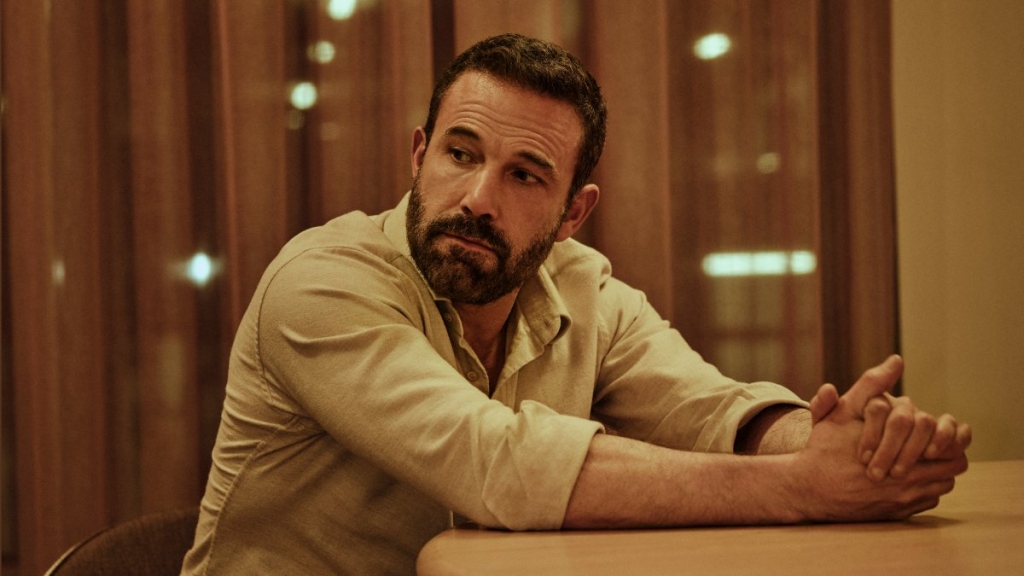
Netflix Acquires InterPositive: Ben Affleck’s AI Filmmaking Vision Joins Streaming Giant
By TechCrunch Staff • 2 minutes read
Netflix has announced the acquisition of InterPositive, a cutting-edge filmmaking technology company founded in 2022 by acclaimed actor, director, and producer Ben Affleck. The move signals Netflix’s deepening commitment to integrating artificial intelligence into the creative process—without sacrificing the human touch that defines great storytelling.
The acquisition comes at a pivotal moment for the entertainment industry, as Hollywood grapples with the transformative—and sometimes controversial—impact of generative AI on filmmaking. Netflix, already a pioneer in this space, has been using AI for special effects in select original productions and has assured investors it is “very well positioned to effectively leverage ongoing advances in AI.” Now, with InterPositive’s technology under its umbrella, the streaming giant is poised to push the boundaries of what’s possible in post-production and visual storytelling.
A Vision Rooted in Human Creativity
Affleck, who co-founded InterPositive with a clear mission in mind, has long been vocal about the potential—and pitfalls—of AI in entertainment. In a statement announcing the acquisition, he reflected on the moment in 2022 when he began seriously considering how AI would reshape the future of filmmaking. His goal was not to replace human artistry, but to preserve it.
“I wanted to preserve what makes human storytelling human, which is judgement,” Affleck wrote. “I sought to protect the power of human creativity.”
This ethos is at the heart of InterPositive’s approach. Unlike some AI ventures that aim to create synthetic actors or entirely computer-generated performances—a trend that has sparked backlash in Hollywood—InterPositive is focused on empowering filmmakers with tools that enhance, rather than replace, their craft.
Inside InterPositive’s Technology
InterPositive’s flagship model is designed to assist production teams in post-production workflows. The technology helps address common challenges such as continuity errors, lighting inconsistencies, and environmental enhancements—all while maintaining the visual logic and editorial consistency that define cinematic storytelling.
“Intensive research and development led to our first model, trained to understand visual logic and editorial consistency, while preserving cinematic rules under real-world production challenges such as missing shots, background replacements or incorrect lighting,” Affleck explained.
Crucially, the company built in safeguards to ensure that creative intent remains in the hands of artists. The tools are designed for “responsible exploration,” allowing filmmakers to experiment and iterate without ceding control to algorithms. The ultimate goal is to ensure that the benefits of AI flow directly back to the story being told, not away from it.
What This Means for Netflix
For Netflix, the acquisition is more than just a technological upgrade—it’s a strategic alignment with a vision that values both innovation and artistic integrity. Elizabeth Stone, Netflix’s chief product and technology officer, emphasized this shared philosophy in her statement.
“Our approach to AI has always been focused on meaningfully serving the needs of the creative community and our members,” Stone said. “The InterPositive team is joining Netflix because of our shared belief that innovation should empower storytellers, not replace them.”
As part of the deal, Affleck will join Netflix as a senior adviser, lending his creative and technical expertise to the company’s ongoing AI initiatives. Financial terms of the acquisition were not disclosed, but the strategic value is clear: Netflix is betting big on a future where AI and human creativity work in harmony.
The Broader Context: AI in Hollywood
The entertainment industry’s relationship with AI is complex and evolving. While some filmmakers and actors have expressed concern about the technology’s potential to erode jobs and artistic authenticity, others see it as a powerful tool for unlocking new creative possibilities. Netflix’s acquisition of InterPositive suggests a middle path—one that embraces innovation while safeguarding the core of what makes storytelling resonate.
This approach stands in contrast to more controversial uses of AI, such as the creation of AI-generated actors or synthetic performances. Earlier this year, the introduction of AI-generated actress Tilly Norwood sparked debate and criticism within Hollywood, highlighting the industry’s unease with fully automated performances.
InterPositive’s technology, by contrast, is designed to augment human work, not supplant it. By focusing on practical post-production challenges, the company is helping filmmakers work more efficiently and creatively—without compromising their artistic vision.
Looking Ahead
As Netflix continues to invest in AI-driven storytelling, the acquisition of InterPositive marks a significant milestone. It’s a statement of intent: the company is committed to leading the industry into a future where technology and creativity are not at odds, but in dialogue.
For filmmakers, this could mean new tools that streamline workflows, reduce costs, and open up creative possibilities previously out of reach. For audiences, it could translate into richer, more immersive stories—crafted with the help of AI, but always guided by human hands.
And for Ben Affleck, whose career has spanned acting, directing, and now technology entrepreneurship, the move represents yet another evolution. From the silver screen to the cutting room, his vision for the future of filmmaking is now part of Netflix’s DNA.
Tags: Netflix, InterPositive, Ben Affleck, AI filmmaking, generative AI, post-production, Hollywood, creative technology, storytelling, artificial intelligence, streaming, entertainment industry, Tilly Norwood, AI actors, visual effects, cinematic tools, responsible AI, innovation, creative community
Viral Phrases:
- “Preserve what makes human storytelling human”
- “Protect the power of human creativity”
- “AI should empower storytellers, not replace them”
- “Responsible exploration in AI filmmaking”
- “Cinematic rules under real-world production challenges”
- “Creative intent in the hands of artists”
- “Innovation that serves the creative community”
- “The future of filmmaking is human + AI”
- “Netflix bets big on AI-powered storytelling”
- “Hollywood’s uneasy dance with artificial intelligence”
,

Leave a Reply
Want to join the discussion?Feel free to contribute!