
Netflix Says if the HBO Merger Makes It Too Expensive, You Can Always Cancel
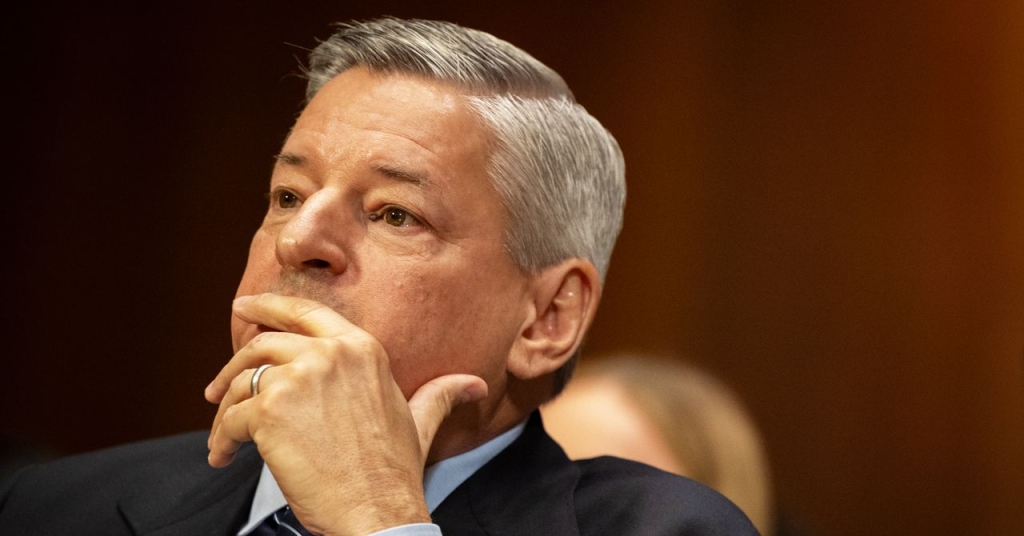
Netflix Co-CEO Ted Sarandos Makes Bold Case for Warner Bros. Acquisition, Claims Merger Will Lower Prices and Boost Content Value
In a high-stakes appearance before the U.S. Senate Judiciary Committee’s Subcommittee on Antitrust, Competition Policy, and Consumer Rights, Netflix co-CEO Ted Sarandos made a passionate defense of the streaming giant’s proposed $72 billion acquisition of Warner Bros. Discovery’s streaming and movie studio assets. The hearing, titled “Examining the Competitive Impact of the Proposed Netflix-Warner Brothers Transaction,” drew intense scrutiny as lawmakers questioned whether the merger would create a monopoly that could harm consumers through higher prices and reduced competition.
Sarandos, facing concerns that the deal could negatively impact subscribers, argued that the merger would actually have the opposite effect. “Netflix and Warner Bros. both have streaming services, but they are very complementary,” Sarandos told the subcommittee. “In fact, 80 percent of HBO Max subscribers also subscribe to Netflix. We will give consumers more content for less.”
The streaming executive’s testimony comes at a critical juncture for the entertainment industry, with Netflix maintaining its position as the largest subscription video-on-demand provider globally at 301.63 million subscribers as of January 2025, while Warner Bros. Discovery ranks third with 128 million streaming subscribers across HBO Max and Discovery+.
During the hearing, Democratic Senator Amy Klobuchar of Minnesota pressed Sarandos on how Netflix could ensure streaming remains “affordable” post-merger, particularly in light of the company’s January 2025 price hike that increased subscription fees by up to $2.50 per month despite adding more subscribers.
Sarandos defended the price increases by emphasizing the value proposition Netflix offers to its customers. “We are a one-click cancel, so if the consumer says, ‘That’s too much for what I’m getting,’ they can cancel with one click,” he explained. The executive argued that the streaming industry remains highly competitive and that previous Netflix price hikes have come with “a lot more value” for subscribers.
When further pressed on pricing concerns, Sarandos contended that the merger doesn’t pose “any concentration risk” and that Netflix is actively working with the U.S. Department of Justice on potential guardrails to prevent excessive price increases. He claimed that the merger would “create more value for consumers,” though his definition of value extends beyond mere subscription costs to encompass content quality and viewing experience.
To support his argument, Sarandos presented internal metrics suggesting that Netflix subscribers spend an average of 35 cents per hour of content watched, compared to 90 cents for Paramount+. This statistic aligns with data from MoffettNathanson, which found that in the previous quarter, Netflix generated 34 cents in subscription fees per hour of content viewed per subscriber, while Paramount+ averaged 76 cents per hour.
The hearing also addressed concerns about Netflix potentially becoming a monopoly in the streaming and entertainment production space. When Republican Senator Mike Lee of Utah asked why Netflix wants to acquire Warner Bros.’ film studios, Sarandos characterized Warner as “both a competitor and a supplier.” He emphasized Netflix’s “history is about adding more and more” content and choice for consumers.
To downplay monopoly concerns, Sarandos pointed to the competitive landscape of the streaming industry, highlighting major tech companies like Google, Apple, and Amazon as “deep-pocketed tech companies trying to run away with the TV business.” He particularly emphasized YouTube’s dominance in TV viewership, citing Nielsen’s The Gauge tracker, which showed YouTube (excluding YouTube TV) commanding 12.7 percent of TV viewership in December, surpassing Netflix’s 9 percent share.
Sarandos argued that even with the merger, Netflix would control only 21 percent of the streaming market, maintaining that the industry remains highly competitive with multiple major players vying for consumer attention and subscription dollars.
The proposed acquisition has confounded industry analysts and observers, with many questioning how the merger would impact the future of movie theaters and streaming services. Netflix’s aggressive expansion strategy through acquisition represents a significant shift in the company’s approach, moving from organic growth to strategic consolidation in an increasingly competitive market.
As the regulatory review process continues, the outcome of this merger could reshape the streaming landscape, potentially creating a powerhouse that combines Netflix’s global reach and technological infrastructure with Warner Bros. Discovery’s extensive content library and established franchises. The decision will have far-reaching implications for consumers, content creators, and the broader entertainment industry as streaming continues to dominate how audiences consume media.
The Senate hearing represents just one step in what is likely to be a lengthy regulatory review process. Antitrust regulators will need to carefully weigh the potential benefits of increased content offerings and economies of scale against the risks of reduced competition and potential price increases. As the streaming wars intensify and companies seek to differentiate themselves through exclusive content and competitive pricing, the outcome of this proposed merger could set important precedents for future consolidation in the digital entertainment space.
The debate surrounding this acquisition highlights the ongoing tension between corporate growth strategies and consumer protection in the rapidly evolving streaming industry. As traditional media companies struggle to compete with tech giants in the digital space, mergers and acquisitions have become increasingly common strategies for survival and growth. However, regulators must balance the potential for innovation and improved consumer offerings against the risks of market concentration and reduced competition.
As the streaming landscape continues to evolve, consumers, industry stakeholders, and regulators alike will be watching closely to see how this proposed merger unfolds and what it might mean for the future of entertainment consumption. The outcome could influence not only pricing and content availability but also the very structure of how media is produced, distributed, and consumed in the digital age.
#Netflix #WarnerBros #StreamingWars #TedSarandos #Antitrust #SenateHearing #MediaMerger #StreamingIndustry #ContentCreation #DigitalEntertainment #MarketConsolidation #ConsumerProtection #TechGiants #StreamingCompetition #MediaConsolidation #FutureOfStreaming #EntertainmentIndustry #StreamingMonopoly #ContentLibrary #DigitalMedia
The merger that’s got everyone talking
Netflix’s bold move to dominate streaming
Will prices go up or down? The debate rages on
Streaming’s future hangs in the balance
The numbers don’t lie: 80% overlap revealed
One-click cancel culture meets corporate consolidation
35 cents per hour: Netflix’s value proposition
YouTube vs Netflix: The battle for TV viewership
Deep-pocketed tech companies enter the streaming arena
Content is king, but competition is queen
The streaming wars just got real
Netflix’s $72B power play
Will regulators say yes to this media marriage?
The end of streaming as we know it?
More content, less choice? The paradox of consolidation
Streaming’s golden age or monopoly nightmare?
The numbers game: Market share and consumer impact
From competitor to supplier: Netflix’s strategic shift
The DOJ’s next big tech challenge
Content quality vs. quantity: The streaming dilemma
Cancel anytime, but will you want to?
The streaming landscape is about to change forever,


Leave a Reply
Want to join the discussion?Feel free to contribute!