
Nevada Rep. Titus unveils prediction markets bill targeting sports loopholes oversight push
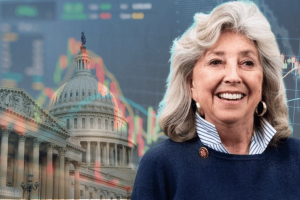
Nevada Rep. Titus Unveils Bold Federal Bill to Rein in Sports Prediction Markets and Close Regulatory Loopholes
In a move that has sent shockwaves through both the tech and gambling industries, Nevada Representative Dina Titus has introduced a groundbreaking federal bill aimed at tightening oversight of sports-related prediction markets. The proposal, known as the Fair Markets and Sports Integrity Act, is designed to address mounting concerns that some prediction market platforms are exploiting regulatory gray areas to operate in ways that closely resemble traditional sportsbooks—without the same level of scrutiny or consumer protections.
The bill comes at a time when prediction markets are experiencing explosive growth, fueled by the rise of blockchain technology, decentralized finance (DeFi), and a new generation of tech-savvy users. However, this rapid expansion has also raised red flags among lawmakers, regulators, and consumer advocates, who worry that these platforms may be skirting state gaming laws and exposing users to significant risks.
The Growing Concern Over Prediction Markets
Prediction markets, in theory, are designed to allow participants to trade contracts based on the outcome of future events—ranging from political elections to sports games. Proponents argue that these platforms serve as valuable forecasting tools, harnessing the “wisdom of the crowd” to predict real-world outcomes. However, critics, including Rep. Titus, contend that when these contracts are tied directly to the outcome of sporting events, they function more like gambling than legitimate financial instruments.
In a recent post on X (formerly Twitter), Rep. Titus voiced her concerns, stating: “Prediction markets should not be able to circumvent state gaming laws. Consumers deserve transparency, accountability, and protection against such predatory practices.” She went on to explain that the Fair Markets and Sports Integrity Act is specifically designed to prevent entities from engaging in transactions involving sporting or casino-style event contracts, effectively closing the loophole that allows these platforms to operate in a regulatory gray area.
The Fair Markets and Sports Integrity Act: What Does It Do?
The proposed legislation would prohibit companies from offering or facilitating trades tied to sporting events or casino-style outcomes if those contracts essentially mirror gambling products already regulated by states. In other words, if a prediction market platform is offering contracts that function like sports betting, it would be required to comply with the same regulations as traditional sportsbooks.
This is a significant departure from the current regulatory landscape, where prediction markets often fall under federal commodities regulations rather than state gaming laws. By closing this loophole, the bill aims to ensure that all platforms offering sports-related contracts are subject to the same level of oversight and consumer protection as traditional gambling operators.
A Broader Battle Over the Future of Prediction Markets
The debate over prediction markets is not limited to Nevada. Across the United States, lawmakers and regulators are grappling with how to address the rapid growth of these platforms. In Hawaii, legislators have introduced bills aimed at banning certain prediction markets amid concerns they operate like unregulated gambling. In Connecticut, Governor Ned Lamont has backed efforts targeting prediction platforms that may clash with the state’s existing sports wagering structure. And in Washington, regulators have moved to prohibit certain prediction market activities, arguing they violate state gambling laws.
Supporters of prediction markets argue that these platforms fall under federal commodities regulations and function more like forecasting tools than sportsbooks. They contend that prediction markets provide valuable insights into future events and should be treated as legitimate financial instruments. However, critics, including Rep. Titus and several state officials, argue that when contracts are directly tied to the outcome of a game, they look and feel a lot like traditional sports betting and should be regulated the same way.
Why This Matters: The Intersection of Tech, Gambling, and Regulation
The introduction of the Fair Markets and Sports Integrity Act highlights the growing tension between innovation and regulation in the tech and gambling industries. As prediction markets continue to evolve and attract new users, lawmakers are under increasing pressure to ensure that these platforms operate in a transparent and accountable manner.
For Rep. Titus, who represents a state deeply rooted in the regulated gaming industry, this bill is part of a broader effort to protect consumers and preserve the integrity of state-controlled sports betting systems. Her previous work, including the Fair Bet Act, has focused on addressing similar concerns, and this latest proposal reflects her ongoing commitment to ensuring that oversight keeps pace with the rapid expansion of new betting-style platforms.
The Road Ahead: What’s Next for Prediction Markets?
The introduction of the Fair Markets and Sports Integrity Act is likely to spark intense debate among lawmakers, industry stakeholders, and consumer advocates. While some will argue that the bill is necessary to protect consumers and close regulatory loopholes, others will contend that it stifles innovation and limits the potential of prediction markets as forecasting tools.
As the conversation continues, one thing is clear: the future of prediction markets will depend on how lawmakers and regulators choose to balance the need for innovation with the imperative of consumer protection. Whether the Fair Markets and Sports Integrity Act becomes law or not, it has already succeeded in bringing much-needed attention to the challenges and opportunities presented by this rapidly evolving sector.
Tags: #PredictionMarkets #SportsBetting #TechRegulation #ConsumerProtection #GamblingLaws #FederalLegislation #DinaTitus #FairMarketsAct #SportsIntegrity #TechNews #ViralNews #InnovationVsRegulation
Viral Phrases: “Closing the loophole,” “Exploiting regulatory gray areas,” “The future of prediction markets,” “Balancing innovation and regulation,” “Protecting consumers in the digital age,” “The battle over sports prediction markets,” “Tech meets gambling: A regulatory showdown,” “Prediction markets under fire,” “The rise of decentralized betting,” “State gaming laws vs. federal oversight.”
,


Leave a Reply
Want to join the discussion?Feel free to contribute!