
New Apple privacy feature limits location tracking on iPhones, iPads
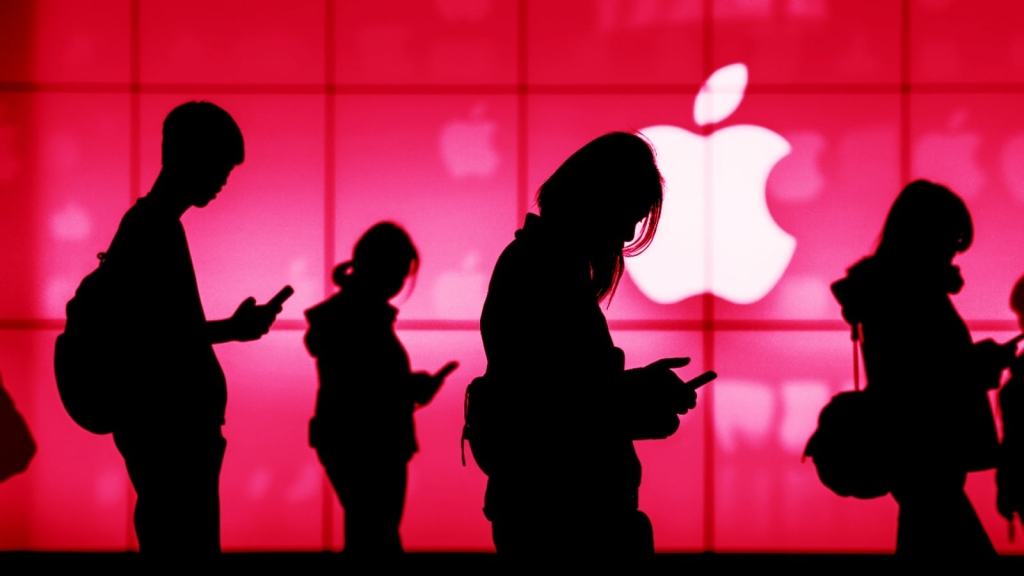
Apple Introduces Groundbreaking Privacy Feature to Limit Location Tracking by Cellular Networks
In a bold move to enhance user privacy, Apple has unveiled a powerful new feature that gives iPhone and iPad users unprecedented control over how much location data they share with cellular networks. The tech giant’s latest innovation, dubbed “Limit Precise Location,” is set to redefine the boundaries of mobile privacy and put users firmly in the driver’s seat when it comes to their personal information.
The Dawn of a New Era in Mobile Privacy
With the release of iOS 26.3 and later versions, Apple is rolling out a game-changing privacy setting that allows users to restrict the precision of location data shared with cellular networks. This groundbreaking feature works by limiting the information that mobile carriers can access to determine a device’s location through cell tower connections.
When activated, the “Limit Precise Location” setting ensures that cellular networks can only pinpoint a user’s approximate location, such as a neighborhood or general area, rather than providing a precise street address. This significant reduction in location accuracy represents a major leap forward in protecting user privacy and minimizing the potential for unwanted tracking or data collection.
How It Works: A Closer Look at the Technology
The mechanics behind this innovative feature are both simple and effective. By toggling the “Limit Precise Location” setting in the iPhone or iPad’s cellular options, users can instantly reduce the granularity of location data shared with their mobile carrier. This means that while emergency services can still access precise location information during critical situations, everyday cellular operations will only have access to a more generalized location.
It’s important to note that this new privacy feature doesn’t interfere with location sharing for apps that users have explicitly granted permission to access their location data. Popular services like Find My, which allow users to share their whereabouts with friends and family, will continue to function as usual. The “Limit Precise Location” setting specifically targets the data shared with cellular networks, leaving app-based location services untouched.
Availability and Compatibility: Who Can Benefit?
As with many of Apple’s cutting-edge features, the “Limit Precise Location” setting is initially available on a select range of devices. Users with iPhone Air, iPhone 16e, and iPad Pro (M5) Wi-Fi + Cellular models running iOS 26.3 or later will be the first to enjoy this enhanced privacy protection.
However, it’s worth noting that the effectiveness of this feature is dependent on carrier support. At launch, a limited number of mobile networks have embraced this privacy-enhancing technology. Supported carriers include Telekom in Germany, EE and BT in the United Kingdom, Boost Mobile in the United States, and AIS and True in Thailand. As the feature gains traction and demonstrates its value, it’s expected that more carriers worldwide will adopt support for this privacy-centric option.
The Bigger Picture: Addressing Past Privacy Concerns
Apple’s introduction of the “Limit Precise Location” feature comes at a crucial time in the ongoing battle for digital privacy. In April 2024, the Federal Communications Commission (FCC) imposed hefty fines totaling nearly $200 million on the largest U.S. wireless carriers for illegally sharing user location data.
The list of penalties included $80 million for T-Mobile, $12 million for Sprint (following their merger), over $57 million for AT&T, and nearly $47 million for Verizon. These substantial fines highlighted the extent to which cellular networks had been collecting and potentially misusing sensitive location information.
By offering users the ability to limit precise location sharing, Apple is taking a proactive stance in addressing these privacy concerns. This move not only empowers users to take control of their personal data but also puts pressure on carriers to respect user privacy and operate within ethical boundaries.
The Future of Mobile Privacy: What This Means for Users
The introduction of the “Limit Precise Location” feature marks a significant milestone in the ongoing evolution of mobile privacy. As users become increasingly aware of the value and vulnerability of their personal data, features like this are likely to become standard expectations rather than optional extras.
For iPhone and iPad users, this new setting represents a powerful tool in the fight against unwanted surveillance and data collection. By giving individuals the ability to obscure their precise location from cellular networks, Apple is effectively creating a new layer of privacy protection that extends beyond the device itself and into the very infrastructure of mobile communications.
How to Activate the Feature: A Step-by-Step Guide
For those eager to take advantage of this new privacy feature, activating it is a straightforward process:
- Open the “Settings” app on your compatible iPhone or iPad.
- Tap on “Cellular.”
- Select “Cellular Data Options.”
- Toggle the “Limit Precise Location” setting to the on position.
- If prompted, restart your device to complete the activation process.
It’s worth noting that after enabling this feature, users may need to restart their device to ensure the changes take full effect. This simple step can provide significant peace of mind and enhanced privacy protection for the device’s daily use.
Looking Ahead: The Impact on the Tech Industry
Apple’s bold move to introduce the “Limit Precise Location” feature is likely to have far-reaching implications for the tech industry as a whole. As one of the world’s most influential technology companies, Apple’s actions often set trends that other manufacturers and software developers follow.
We can expect to see increased pressure on other smartphone manufacturers to implement similar privacy features in their devices. Additionally, this move may prompt regulatory bodies worldwide to reevaluate and potentially strengthen privacy laws governing location data collection and usage by cellular networks.
The introduction of this feature also underscores the growing importance of privacy as a key differentiator in the highly competitive smartphone market. As consumers become more privacy-conscious, companies that prioritize and innovate in this area are likely to gain a significant advantage in customer loyalty and market share.
Conclusion: A Win for User Privacy
Apple’s “Limit Precise Location” feature represents a significant victory for user privacy in the digital age. By giving iPhone and iPad users the power to control how much location data they share with cellular networks, Apple is setting a new standard for mobile privacy protection.
As this feature rolls out to more devices and gains support from additional carriers, we can expect to see a shift in the balance of power between users and service providers. The ability to limit precise location sharing puts users back in control of their personal information, potentially reshaping the landscape of mobile data collection and usage for years to come.
In an era where data is often referred to as the new oil, Apple’s latest privacy innovation serves as a powerful reminder that the true value lies not in the data itself, but in the hands of those who control it. With the “Limit Precise Location” feature, Apple is ensuring that control remains firmly in the hands of its users.
Tags: Apple, iOS 26.3, privacy feature, location data, cellular networks, iPhone, iPad, Limit Precise Location, mobile privacy, data protection, FCC fines, user control, smartphone security
Viral Phrases: Game-changing privacy setting, unprecedented control over personal data, bold move to enhance user privacy, groundbreaking feature, redefining boundaries of mobile privacy, putting users in the driver’s seat, powerful new feature, major leap forward in protecting user privacy, reshaping the landscape of mobile data collection, victory for user privacy in the digital age, setting a new standard for mobile privacy protection, putting users back in control of their personal information.
,

Leave a Reply
Want to join the discussion?Feel free to contribute!