
New Data Centers Will Be Powered by Human Brain Cells
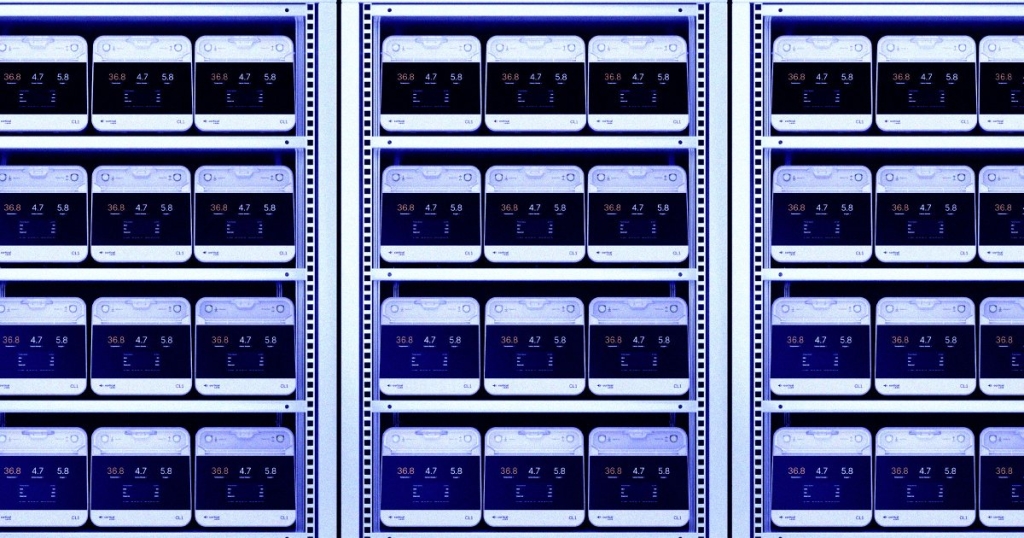
Last year, researchers at Australian biotech startup Cortical Labs unveiled a groundbreaking innovation that blurred the lines between biology and technology: the CL1, described as the “world’s first code-deployable biological computer.” This remarkable device is powered by 200,000 living human neurons, a concept that once seemed confined to the realm of science fiction. Now, Cortical Labs is taking this revolutionary idea to the next level by developing “biological data centers” in Melbourne, Australia, and Singapore. These facilities aim to replace traditional silicon-based computing systems with racks of CL1 units, powered by thousands of human brain cells. This leap forward could redefine the future of artificial intelligence and data processing, offering a more energy-efficient and sustainable alternative to conventional data centers.
The CL1 represents a paradigm shift in computing, leveraging the inherent capabilities of biological neurons to process information. Unlike traditional computers that rely on silicon chips and binary code, the CL1 uses living neurons derived from human blood stem cells. These neurons are stimulated with electrical signals, and their responses are recorded by embedded chips, creating a symbiotic relationship between biology and technology. This approach, termed “wetware,” is a fusion of software and hardware that harnesses the natural processing power of the human brain.
In February, Cortical Labs demonstrated the potential of this technology by teaching the neurons to play the classic video game Doom. This achievement was a significant leap from earlier experiments in 2022, where the neurons were trained to play Pong. The ability to master a complex game like Doom showcases the neurons’ capacity for learning and adaptation, hinting at the vast possibilities of biological computing.
The company’s partnership with DayOne Data Centers marks a critical step in scaling up this technology. The Melbourne data center will house 120 CL1 units, while the Singapore facility plans to deploy up to 1,000 units. This ambitious expansion underscores the potential of biological computing to revolutionize the tech industry. According to Cortical Labs, these biological data centers will consume a fraction of the power used by conventional AI processors, making them a more sustainable option in an era where energy consumption is a growing concern.
CEO Hon Weng Chong emphasized the efficiency of the CL1, noting that each unit requires less power than a handheld calculator to operate. This is a stark contrast to the energy-hungry graphical processing units (GPUs) that dominate modern data centers. If successful, this technology could address the environmental challenges posed by the rapid growth of AI, which has been criticized for its high energy consumption and carbon footprint.
However, significant questions remain about the practical applications of biological computing. While the CL1 has demonstrated impressive capabilities in controlled experiments, it is unclear whether it can match the computational power of current-generation data center chips. The technology is still in its infancy, and its scalability and reliability in real-world scenarios are yet to be proven.
Despite these uncertainties, the potential benefits of biological computing are undeniable. As AI data centers continue to expand, they have been linked to a range of environmental and social issues. For instance, these facilities have been shown to generate excessive noise, consume vast amounts of water, and even drive up local electricity prices. By offering a more energy-efficient alternative, biological data centers could mitigate some of these negative impacts.
The development of biological data centers also raises ethical and philosophical questions. The use of human neurons in computing blurs the line between life and technology, challenging our understanding of consciousness and the role of biology in artificial intelligence. As this technology advances, it will be crucial to address these concerns and ensure that its development aligns with ethical standards.
In conclusion, Cortical Labs’ pioneering work in biological computing represents a bold step into uncharted territory. By harnessing the power of human neurons, the company is pushing the boundaries of what is possible in technology. While the road ahead is fraught with challenges, the potential rewards are immense. If successful, biological data centers could usher in a new era of sustainable, efficient, and intelligent computing, reshaping the future of AI and beyond.
Tags: biological computing, human neurons, CL1, wetware, data centers, AI, sustainability, energy efficiency, Cortical Labs, Melbourne, Singapore, technology, innovation, neuroscience, ethics, future of computing.
Viral Sentences:
– “The future of AI is alive—literally.”
– “Forget silicon; the next big thing in tech is biological.”
– “Human brain cells are now running Doom. Welcome to the future.”
– “Biological data centers: the eco-friendly solution to AI’s energy crisis.”
– “Cortical Labs is turning science fiction into reality, one neuron at a time.”
– “Wetware is here, and it’s about to change everything.”
– “The line between biology and technology is officially blurred.”
– “AI’s next frontier? Living neurons in a box.”
– “Cortical Labs is redefining what it means to compute.”
– “The future of data centers is alive, sustainable, and powered by human brain cells.”,

Leave a Reply
Want to join the discussion?Feel free to contribute!