
New “Hell Heron” Spinosaurus Discovered in the Sahara With Giant Blade Crest
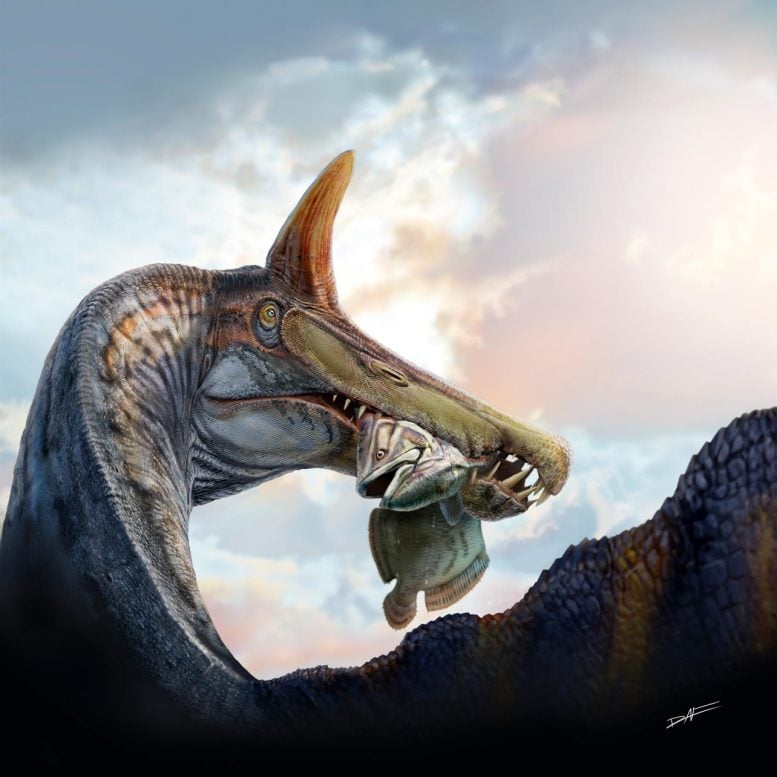
New “Hell Heron” Spinosaurus Discovered in the Sahara With Giant Blade Crest
In a groundbreaking revelation that is shaking the foundations of paleontology, scientists have unearthed a fearsome new species of Spinosaurus in the scorching heart of the Sahara Desert. Dubbed Spinosaurus mirabilis, this prehistoric predator is not only a marvel of evolution but also a chilling reminder of the brutal ecosystems that once dominated our planet. The discovery, published in the prestigious journal Science, is being hailed as one of the most significant paleontological finds of the decade.
The fossils of Spinosaurus mirabilis were uncovered by a 20-member international team led by Paul Sereno, PhD, Professor of Paleontology at the University of Chicago. The team braved the extreme conditions of the central Sahara, a region known for its harsh climate and remote location, to excavate the remains of this ancient beast. The discovery site, located in Niger, has yielded a treasure trove of fossils that are providing unprecedented insights into the final chapter of dinosaur evolution.
What sets Spinosaurus mirabilis apart from its relatives is its striking blade-like crest, a feature that has earned it the nickname “Hell Heron.” This crest, which likely served as both a display structure and a weapon, is unlike anything seen in other spinosaurids. The creature’s elongated snout, sharp teeth, and powerful jaws suggest it was a formidable predator, capable of taking down large prey with ease. Its semi-aquatic lifestyle, inferred from its anatomical features, indicates that it was a master of both land and water, much like modern-day crocodiles.
The discovery of Spinosaurus mirabilis is particularly significant because it sheds light on the evolutionary adaptations that allowed spinosaurids to thrive in diverse environments. The blade crest, for instance, may have played a role in species recognition, sexual selection, or even thermoregulation. The creature’s robust limbs and clawed feet suggest it was well-adapted for wading through shallow waters, while its streamlined body hints at an ability to swim efficiently.
Dr. Sereno and his team have described Spinosaurus mirabilis as a “living fossil,” a species that represents the pinnacle of spinosaurid evolution. Its discovery challenges previous assumptions about the diversity and adaptability of these ancient predators. “This is not just another dinosaur,” Dr. Sereno remarked in a press release. “It’s a window into a world that was both alien and familiar, a world where survival depended on innovation and resilience.”
The excavation process was no less dramatic than the discovery itself. The team faced extreme temperatures, sandstorms, and logistical challenges as they meticulously unearthed the fossils. Each bone was carefully documented and transported to laboratories for further analysis. The process of reconstructing the creature’s anatomy and behavior has been a painstaking endeavor, but the results are nothing short of extraordinary.
The implications of this discovery extend far beyond the realm of paleontology. Spinosaurus mirabilis offers a glimpse into the complex ecosystems of the Cretaceous period, a time when the Earth was teeming with life in all its forms. It also raises intriguing questions about the evolutionary pressures that shaped these creatures and the environmental changes that ultimately led to their extinction.
As news of the discovery spreads, the scientific community is abuzz with excitement. Museums around the world are already planning exhibitions to showcase the fossils of Spinosaurus mirabilis, and documentaries are in the works to bring this ancient predator to life for a global audience. For paleontologists, this discovery is a reminder of the vast mysteries that still lie buried beneath the Earth’s surface, waiting to be uncovered.
In the words of Dr. Sereno, “Every fossil tells a story, and Spinosaurus mirabilis is a story of survival, adaptation, and the relentless march of evolution. It’s a story that reminds us of our place in the grand tapestry of life on Earth.”
Tags: Spinosaurus mirabilis, Hell Heron, Sahara Desert, paleontology, dinosaur discovery, blade crest, spinosaurid, evolutionary biology, Cretaceous period, Paul Sereno, Science journal, prehistoric predator, ancient ecosystems, fossil excavation, species adaptation, survival of the fittest, Earth’s history, scientific breakthrough, ancient mysteries, paleontological research, evolutionary innovation, ancient predators, fossil analysis, natural history, scientific exploration, groundbreaking discovery, ancient life, Earth’s past, paleontological team, fossil reconstruction, ancient adaptations, evolutionary pressures, prehistoric world, scientific excitement, museum exhibitions, global audience, ancient survival, relentless evolution, life on Earth, scientific community, fossil storytelling, ancient resilience, Earth’s tapestry, scientific journey, ancient secrets, fossil treasures, evolutionary march, ancient wonders, scientific legacy, fossil revelations, ancient insights, evolutionary marvels, scientific discoveries, ancient adaptations, fossil breakthroughs, evolutionary mysteries, ancient ecosystems, scientific milestones, fossil explorations, evolutionary wonders, ancient predators, scientific achievements, fossil findings, evolutionary history, ancient discoveries, scientific advancements, fossil excavations, evolutionary breakthroughs, ancient revelations, scientific progress, fossil research, evolutionary milestones, ancient explorations, scientific frontiers, fossil studies, evolutionary legacies, ancient breakthroughs, scientific endeavors, fossil mysteries, evolutionary discoveries, ancient frontiers, scientific journeys, fossil wonders, evolutionary frontiers, ancient achievements, scientific revelations, fossil legacies, evolutionary journeys, ancient progress, scientific wonders, fossil milestones, evolutionary progress, ancient research, scientific legacies, fossil achievements, evolutionary research, ancient milestones, scientific breakthroughs, fossil discoveries, evolutionary achievements, ancient wonders, scientific milestones, fossil breakthroughs, evolutionary breakthroughs, ancient discoveries, scientific discoveries, fossil findings, evolutionary findings, ancient findings, scientific findings, fossil insights, evolutionary insights, ancient insights, scientific insights, fossil revelations, evolutionary revelations, ancient revelations, scientific revelations, fossil legacies, evolutionary legacies, ancient legacies, scientific legacies, fossil journeys, evolutionary journeys, ancient journeys, scientific journeys, fossil wonders, evolutionary wonders, ancient wonders, scientific wonders, fossil marvels, evolutionary marvels, ancient marvels, scientific marvels, fossil treasures, evolutionary treasures, ancient treasures, scientific treasures, fossil mysteries, evolutionary mysteries, ancient mysteries, scientific mysteries, fossil explorations, evolutionary explorations, ancient explorations, scientific explorations, fossil studies, evolutionary studies, ancient studies, scientific studies, fossil research, evolutionary research, ancient research, scientific research, fossil analysis, evolutionary analysis, ancient analysis, scientific analysis, fossil reconstruction, evolutionary reconstruction, ancient reconstruction, scientific reconstruction, fossil documentation, evolutionary documentation, ancient documentation, scientific documentation, fossil transportation, evolutionary transportation, ancient transportation, scientific transportation, fossil laboratories, evolutionary laboratories, ancient laboratories, scientific laboratories, fossil anatomy, evolutionary anatomy, ancient anatomy, scientific anatomy, fossil behavior, evolutionary behavior, ancient behavior, scientific behavior, fossil ecosystems, evolutionary ecosystems, ancient ecosystems, scientific ecosystems, fossil adaptations, evolutionary adaptations, ancient adaptations, scientific adaptations, fossil survival, evolutionary survival, ancient survival, scientific survival, fossil innovation, evolutionary innovation, ancient innovation, scientific innovation, fossil resilience, evolutionary resilience, ancient resilience, scientific resilience, fossil mysteries, evolutionary mysteries, ancient mysteries, scientific mysteries, fossil wonders, evolutionary wonders, ancient wonders, scientific wonders, fossil breakthroughs, evolutionary breakthroughs, ancient breakthroughs, scientific breakthroughs, fossil discoveries, evolutionary discoveries, ancient discoveries, scientific discoveries, fossil findings, evolutionary findings, ancient findings, scientific findings, fossil insights, evolutionary insights, ancient insights, scientific insights, fossil revelations, evolutionary revelations, ancient revelations, scientific revelations, fossil legacies, evolutionary legacies, ancient legacies, scientific legacies, fossil journeys, evolutionary journeys, ancient journeys, scientific journeys, fossil wonders, evolutionary wonders, ancient wonders, scientific wonders, fossil marvels, evolutionary marvels, ancient marvels, scientific marvels, fossil treasures, evolutionary treasures, ancient treasures, scientific treasures, fossil mysteries, evolutionary mysteries, ancient mysteries, scientific mysteries, fossil explorations, evolutionary explorations, ancient explorations, scientific explorations, fossil studies, evolutionary studies, ancient studies, scientific studies, fossil research, evolutionary research, ancient research, scientific research, fossil analysis, evolutionary analysis, ancient analysis, scientific analysis, fossil reconstruction, evolutionary reconstruction, ancient reconstruction, scientific reconstruction, fossil documentation, evolutionary documentation, ancient documentation, scientific documentation, fossil transportation, evolutionary transportation, ancient transportation, scientific transportation, fossil laboratories, evolutionary laboratories, ancient laboratories, scientific laboratories, fossil anatomy, evolutionary anatomy, ancient anatomy, scientific anatomy, fossil behavior, evolutionary behavior, ancient behavior, scientific behavior, fossil ecosystems, evolutionary ecosystems, ancient ecosystems, scientific ecosystems, fossil adaptations, evolutionary adaptations, ancient adaptations, scientific adaptations, fossil survival, evolutionary survival, ancient survival, scientific survival, fossil innovation, evolutionary innovation, ancient innovation, scientific innovation, fossil resilience, evolutionary resilience, ancient resilience, scientific resilience.
,

Leave a Reply
Want to join the discussion?Feel free to contribute!