
New Radar Tech Might Stop Close Calls On Airport Runways
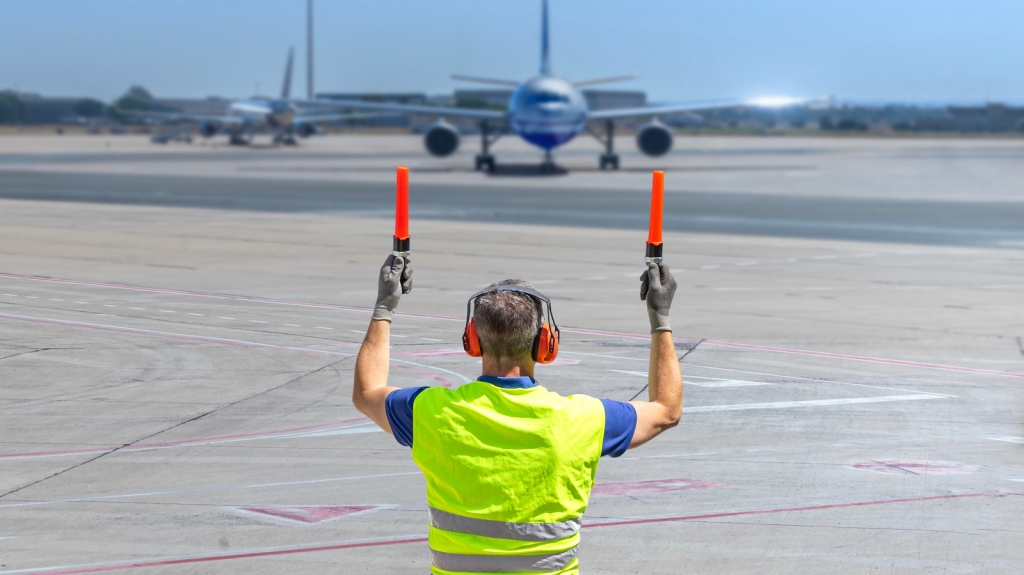
New Radar Technology Poised to Revolutionize Airport Safety and Prevent Runway Close Calls
In a groundbreaking move that could fundamentally transform aviation safety, the Federal Aviation Administration (FAA) is set to deploy cutting-edge Surface Movement Radar (SMR) technology across U.S. airports, with the George Bush Intercontinental Airport (IAH) in Houston leading the charge as the nation’s first installation.
This initiative represents a critical response to growing concerns about runway incursions and near-misses that have plagued the aviation industry in recent years. The timing couldn’t be more crucial as air traffic continues to surge back to pre-pandemic levels, placing unprecedented pressure on airport infrastructure and air traffic control systems.
A Long-Overdue Modernization Effort
The FAA’s commitment to SMR technology is part of a comprehensive $2.4 billion modernization program aimed at replacing aging radar systems that have been in operation since the 1980s. This massive undertaking will see up to 612 outdated radar installations across the country upgraded or replaced with state-of-the-art equipment capable of providing unprecedented situational awareness for air traffic controllers.
“The implementation of Surface Movement Radar represents a quantum leap forward in our ability to prevent runway incidents,” stated FAA Administrator Mike Whitaker during the January 2026 announcement. “This technology will give our controllers the tools they need to maintain the highest safety standards in the world’s most complex airspace.”
How Surface Movement Radar Works
Surface Movement Radar operates on frequencies significantly higher than traditional radar systems, enabling several critical advantages. The higher frequency allows for shorter antenna designs, which in turn facilitates faster rotation speeds and more frequent data updates. This translates to near real-time tracking of all surface movements within the airport environment.
According to SKYbrary, an authoritative aviation safety resource, SMR is “specifically designed to detect all principal features on the surface of an airport, including aircraft and vehicular traffic.” This comprehensive detection capability means that air traffic controllers receive continuous, high-resolution updates on the precise location and movement of every object on runways, taxiways, and aprons.
The technology employs sophisticated signal processing algorithms that can differentiate between various types of vehicles, from massive cargo planes to small maintenance vehicles, and even pedestrians when necessary. This classification capability is crucial for accurate conflict detection and resolution.
The Houston Connection
George Bush Intercontinental Airport’s selection as the first U.S. airport to receive SMR technology is particularly significant. IAH handles over 45 million passengers annually and serves as a major hub for United Airlines, making it one of the busiest airports in the United States. The complexity of its operations, with multiple parallel runways and extensive taxiway networks, makes it an ideal testing ground for this revolutionary technology.
The Houston installation will feature multiple SMR units strategically positioned to provide complete surface coverage. These units will integrate seamlessly with the airport’s existing air traffic control infrastructure, creating a unified surveillance system that provides controllers with a comprehensive, real-time view of all surface movements.
Technical Specifications and Capabilities
Navtech Radar, one of the leading providers of SMR technology, claims their systems can detect, track, and classify objects of all sizes at ranges up to 1 kilometer. This impressive detection radius means that even the smallest ground vehicles or unexpected obstacles can be identified well in advance of potential conflicts.
The radar systems operate in the millimeter wave spectrum, typically between 76-81 GHz, which provides several advantages over traditional X-band or S-band radar systems. The shorter wavelengths associated with millimeter wave technology result in smaller beam widths, enabling more precise targeting and tracking of individual objects.
Each SMR unit consists of a rotating antenna array mounted on a sturdy pedestal, typically positioned at elevated locations around the airport perimeter or on existing control tower structures. The systems are designed to operate continuously in all weather conditions, including heavy rain, fog, and snow, where visual observation would be severely limited.
Integration with Existing Systems
The implementation of SMR technology doesn’t mean replacing human air traffic controllers. Instead, it augments their capabilities by providing enhanced situational awareness and automated conflict detection. The radar data feeds into sophisticated software systems that analyze movement patterns and identify potential conflicts before they develop into dangerous situations.
When the system detects a potential conflict, it generates visual and auditory alerts for controllers, who can then take appropriate action. This might involve issuing instructions to pilots to hold position, directing vehicles to alternative routes, or coordinating emergency maneuvers when necessary.
The integration process involves extensive training for air traffic control personnel, ensuring they can effectively interpret the new data streams and respond appropriately to system alerts. This human-machine collaboration represents the future of aviation safety management.
Historical Context and Previous Implementations
While the FAA’s nationwide rollout represents the most ambitious deployment of SMR technology to date, it’s worth noting that similar systems have been successfully implemented in other parts of the world. The San Antonio International Airport, for instance, received SMR technology as part of the FAA’s Runway Incursion Reduction Program in June 2024, providing valuable insights and operational data that informed the broader implementation strategy.
European airports have been utilizing advanced surface surveillance technologies for over a decade, with systems like the Advanced Surface Movement Guidance and Control System (A-SMGCS) becoming standard at major international hubs. The FAA’s initiative represents the United States finally catching up to international best practices in airport safety technology.
The Impact on Aviation Safety
The potential impact of SMR technology on aviation safety cannot be overstated. Runway incursions and close calls represent one of the most significant safety challenges facing the aviation industry today. According to FAA data, there were over 1,700 runway incursions reported in 2024 alone, with dozens classified as serious or severe incidents.
By providing air traffic controllers with enhanced visibility and automated conflict detection, SMR technology addresses the root causes of many runway incursions, including:
- Reduced visibility conditions that limit visual observation
- Complex airport layouts that create confusion for pilots and vehicle operators
- High traffic density that overwhelms human monitoring capabilities
- Communication breakdowns between different airport stakeholders
The technology also serves as a valuable training tool, allowing airports to analyze historical movement data and identify patterns that might indicate systemic safety issues requiring procedural changes or additional infrastructure improvements.
Future Implications and Industry Transformation
The successful implementation of SMR technology at IAH and subsequent rollouts across the country could catalyze further innovations in airport safety and operations. The wealth of data generated by these systems opens up possibilities for artificial intelligence and machine learning applications that could predict and prevent incidents before they occur.
Additionally, the standardization of advanced surface surveillance across U.S. airports will facilitate smoother operations for airlines operating multi-city routes, as pilots and ground crews become familiar with consistent safety systems and procedures regardless of their location.
The initiative also positions the United States to remain competitive in the global aviation industry, where safety standards and technological capabilities increasingly influence airline route planning and passenger preferences.
Economic and Operational Benefits
Beyond the obvious safety improvements, SMR technology offers several economic and operational advantages for airports and airlines. By reducing the incidence of runway incursions and close calls, airports can:
- Minimize costly operational disruptions and flight delays
- Reduce liability exposure from potential accidents
- Optimize runway utilization and improve traffic flow
- Enhance overall operational efficiency
These benefits translate directly to improved profitability for airlines and reduced costs for passengers, while simultaneously enhancing the reputation of U.S. airports as safe, efficient, and technologically advanced facilities.
Tags: airport safety technology, FAA modernization, Surface Movement Radar, runway incursion prevention, aviation safety innovation, Houston airport technology, radar systems upgrade, air traffic control advancement, SMR implementation, aviation industry transformation, airport surveillance technology, next-generation radar, aviation safety breakthrough, runway safety technology, air traffic management innovation
Viral Sentences: “Game-changing radar tech could eliminate runway close calls forever,” “Houston airport becomes testing ground for revolutionary aviation safety system,” “FAA finally catches up to 21st century with massive radar upgrade,” “The end of airport near-misses? New technology promises unprecedented safety,” “From 1980s tech to cutting-edge radar: America’s airports get a safety overhaul,” “This radar can spot a paperclip on the runway from a kilometer away,” “Why your next flight might be safer thanks to Houston’s new radar system,” “The military-grade tech coming to commercial airports near you,” “How a simple radar upgrade could save hundreds of lives annually,” “The invisible shield protecting planes on the ground”
,

Leave a Reply
Want to join the discussion?Feel free to contribute!