
New Research Challenges One of Archaeology’s Most Important Discoveries
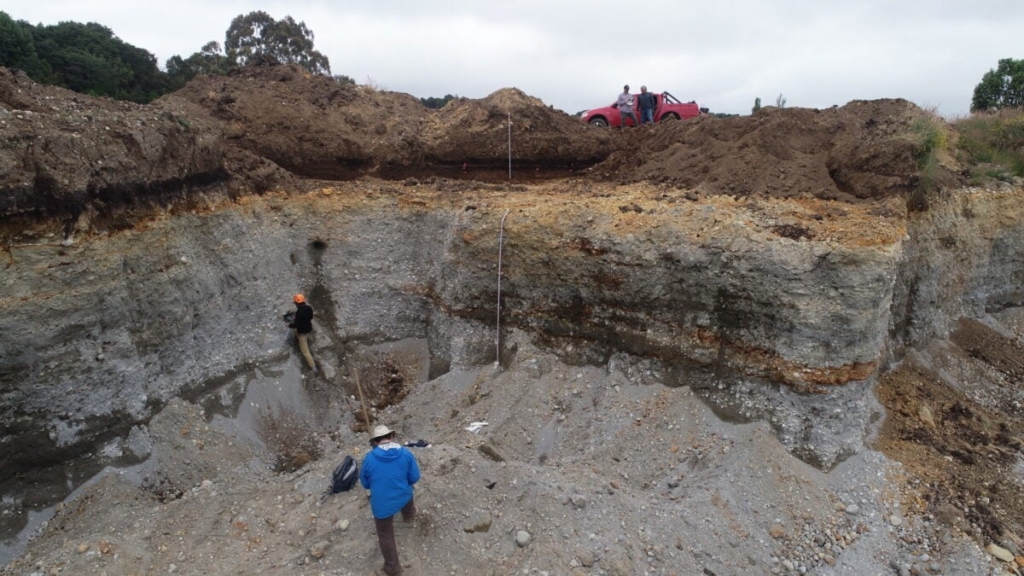
Humans in the Americas: New Evidence Shakes Up the Timeline
A groundbreaking new study is challenging everything we thought we knew about when humans first arrived in the Americas. Published today in Science, this research suggests that the famous Monte Verde site in Chile—long considered evidence of human presence 14,500 years ago—is actually much younger than previously believed.
The Monte Verde Controversy
For decades, the Monte Verde archaeological site has been at the center of heated debates in the archaeological community. Discovered in 1977, the site appeared to contain evidence of human settlement dating back to the end of the last Ice Age. If true, this would have pushed back the arrival of humans in the Americas by over a thousand years.
“The Monte Verde discovery was revolutionary,” explains Todd Surovell, lead author of the new study and archaeologist at the University of Wyoming. “It suggested humans were in South America far earlier than we thought possible, completely rewriting our understanding of early American history.”
What the New Research Found
The latest investigation used advanced dating techniques including radiocarbon dating and luminescence analysis to examine materials from the site. The results were shocking: the artifacts can’t be older than 4,200 to 8,600 years—a fraction of the previously accepted age.
“The key evidence was volcanic ash, or tephra, about 11,000 years old that lies beneath the archaeological materials,” Surovell explains. “This volcanic layer acts like a time capsule, showing us that nothing beneath it could be older than that.”
The researchers also discovered that much of the organic material previously dated at the site—particularly wood samples—had been redeposited from older locations. This means archaeologists may have accidentally dated ancient wood that had been washed into the site, rather than materials from the actual human settlement.
Why This Matters
If these findings hold up, they would dramatically reshape our understanding of human migration to the Americas. The traditional timeline suggests humans crossed the Bering Land Bridge from Asia into Alaska near the end of the last Ice Age, then gradually spread southward.
“The Monte Verde dates always seemed too early,” notes Ben Potter, an archaeologist at the University of Alaska, Fairbanks. “If humans were really in South America 14,500 years ago, where’s the evidence of their journey through North America? We should see a continuous trail of sites, but we don’t.”
Not Everyone Agrees
Unsurprisingly, the original discoverer of Monte Verde, Tom D. Dillehay of Vanderbilt University, strongly disagrees with the new findings. “They created a nice story,” Dillehay told reporters. “They saw what they wanted to see and came to the site with predetermined conclusions.”
Dillehay and his team are preparing a detailed scientific response challenging the new study’s methodology and interpretations. The debate is likely to continue for years as both sides present their evidence.
The Bigger Picture
This controversy highlights a fundamental challenge in archaeology: how do we know when something really happened? Dating ancient sites is incredibly complex, and small errors can lead to dramatically different conclusions about human history.
“What’s exciting about this debate is that it shows science working exactly as it should,” says James D. Kilby, an archaeologist at Texas State University. “Researchers are questioning old assumptions, testing new hypotheses, and letting the evidence guide us to better understanding.”
The Monte Verde case also raises questions about why independent verification of such important findings took 50 years. Surovell argues this delay reflects a broader problem in archaeology where groundbreaking discoveries sometimes go unchallenged for decades.
Looking Forward
Whether the new Monte Verde timeline proves correct or not, this research is already having an impact. It’s forcing archaeologists to reconsider what they thought they knew about early human migration and to be more cautious about accepting extraordinary claims without extraordinary evidence.
The controversy also opens the door for exploring other explanations for early human presence in the Americas, including the possibility that the coastal migration theory—which suggests people traveled along the Pacific coast—might need revision.
As the debate continues, one thing is clear: our understanding of when and how humans first came to the Americas is still evolving. What seemed settled science just a few years ago is now being questioned, reminding us that in archaeology, as in all sciences, today’s revolutionary discovery could be tomorrow’s outdated theory.
Tags: #archaeology #MonteVerde #humanmigration #ancienthistory #Americas #sciencecontroversy #datingtechniques #volcanicash #redepositedmaterials #BeringLandBridge
Viral Phrases:
- “Revolutionary discovery challenges everything we knew”
- “Science working exactly as it should”
- “Groundbreaking research shakes up timeline”
- “Debate rages in archaeological community”
- “Extraordinary claims require extraordinary evidence”
- “50 years of assumptions now questioned”
- “Volcanic ash reveals shocking truth”
- “Redeposited materials fooled scientists for decades”
- “Human history rewritten?”
- “The controversy that won’t die”
,

Leave a Reply
Want to join the discussion?Feel free to contribute!