
New Sony Xperia model numbers surface in GSMA database
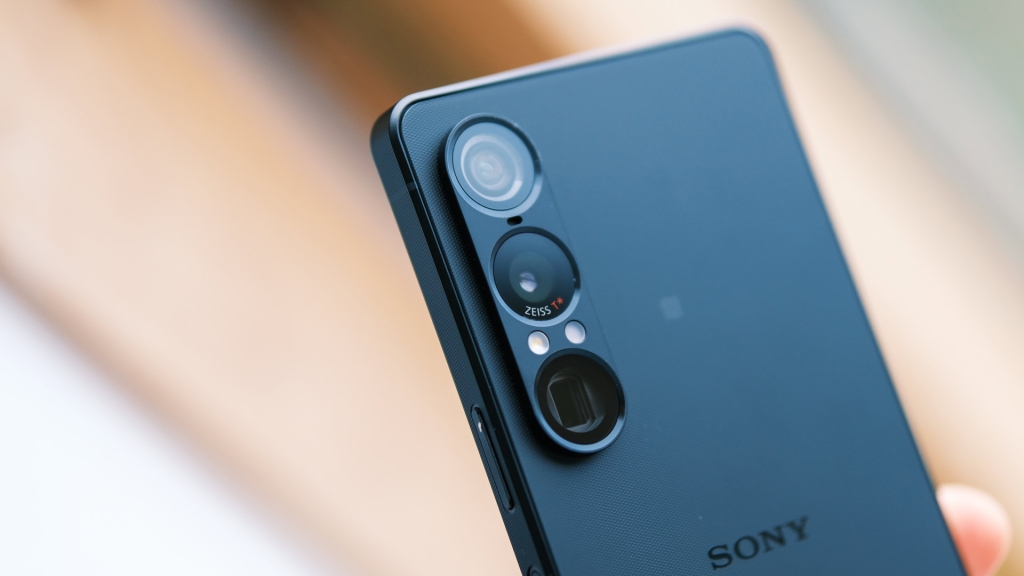
Sony’s Silent Revolution: Two New Xperia Phones Confirmed, But Will They Ever Reach US Shores?
In an industry where smartphone manufacturers are dropping like flies—with companies shuttering operations, abandoning flagship ambitions, or fighting off bankruptcy rumors—one surprising player continues to soldier on. Sony, the Japanese electronics giant that’s been crafting mobile devices since the pre-Android era, has quietly confirmed it’s working on at least two new smartphones that could redefine what we expect from mobile photography and entertainment.
The revelation comes from an unexpected source: the GSMA’s IMEI database, where eagle-eyed tech sleuths have discovered model numbers that point directly to Sony’s next-generation Xperia lineup. This isn’t just another incremental update—these devices could represent Sony’s most ambitious mobile push yet, even as the company navigates major strategic shifts in its broader business portfolio.
The Numbers Game: Decoding Sony’s Next Move
Let’s break down what we’re seeing in the database. Three new model numbers have emerged: PM-1521-BV (already spotted previously), along with PM-1520-BV and PM-1525-BV. These alphanumeric codes might seem cryptic to the average consumer, but to industry insiders, they tell a compelling story.
Based on Sony’s established naming conventions and previous leaks, these three entries strongly suggest we’re looking at different variants of the Sony Xperia 1 VIII—the company’s next flagship offering. The “PM” prefix, combined with the 1520/1521 series numbers, aligns perfectly with Sony’s historical pattern of designating its premium Xperia 1 series.
But Sony isn’t stopping at just one new device. The database also reveals three additional entries in the 1530 series: PM-1530-BV, PM-1531-BV, and PM-1535-BV. These correspond to the long-rumored Sony Xperia 10 VIII, Sony’s mid-range contender that’s been anticipated since last fall.
What makes this discovery particularly intriguing is what’s NOT in the database. Despite Sony’s Xperia phones being available in numerous global markets, there’s no indication—based on the suffixes and regional designations—that either the Xperia 1 VIII or Xperia 10 VIII are being specifically tailored for American release.
A Rare Bright Spot in a Darkening Industry
The timing of this revelation couldn’t be more significant. We’re witnessing what many analysts are calling a “mass extinction event” in the smartphone industry. Asus has effectively paused its phone operations, Nothing has reportedly backed away from flagship ambitions for 2026, and other manufacturers are scrambling to stay relevant in an increasingly Apple-Samsung dominated landscape.
Yet here’s Sony, quietly plugging away at its next-generation devices. It’s a testament to the company’s resilience and its commitment to a segment of the market that values what Sony uniquely offers: uncompromising camera technology, professional-grade audio capabilities, and that distinctive 21:9 cinematic display that sets Xperia apart from the rectangular sea of competitors.
The Camera Revolution You Haven’t Heard About
While the rest of the industry chases megapixel counts and computational photography gimmicks, Sony’s approach to mobile imaging has always been fundamentally different. As the world’s leading manufacturer of image sensors, Sony brings a level of photographic expertise to its Xperia phones that’s unmatched by competitors who simply source components from suppliers.
The Xperia 1 VIII is expected to continue this tradition, potentially incorporating Sony’s latest sensor technology that’s already revolutionizing professional photography. We’re talking about features like real-time eye autofocus for both humans and animals, advanced HDR processing that captures details in both shadows and highlights, and color science that produces images with that signature Sony look—vivid yet natural, with exceptional dynamic range.
For content creators and photography enthusiasts, this isn’t just another phone upgrade. It’s potentially the mobile camera system that finally bridges the gap between smartphone convenience and professional image quality. The camera bar design, which has become a signature element of recent Xperia flagships, is likely to evolve further, possibly incorporating new computational features while maintaining that distinctive Sony aesthetic.
The Xperia 10 VIII: Bringing Pro Features to the Masses
While the flagship Xperia 1 VIII grabs headlines, the Xperia 10 VIII could be equally significant for Sony’s strategy. This mid-range offering has the potential to democratize many of the features that make Xperia phones special, bringing professional-grade camera capabilities and that beloved 21:9 display to a more accessible price point.
In an era where mid-range phones are becoming increasingly sophisticated, Sony’s challenge will be to differentiate the Xperia 10 VIII in a crowded market. The company’s strength has always been in delivering a cohesive experience—where hardware, software, and Sony’s ecosystem of services work in harmony.
The Global Strategy: Why America Might Miss Out Again
Here’s where things get complicated for American consumers. Despite Sony’s global presence, its Xperia phones have historically struggled to gain significant traction in the US market. Carrier partnerships have been limited, retail presence minimal, and marketing budgets pale in comparison to Samsung or Apple’s massive campaigns.
The absence of US-specific suffixes in the IMEI database entries suggests Sony may once again be focusing its initial launch strategy on markets where Xperia has stronger brand recognition and established distribution channels. This typically includes European countries, parts of Asia, and select markets in Latin America and the Middle East.
For American Xperia fans, this means potentially waiting months after global launches for import options, dealing with warranty complications, and missing out on carrier-specific features or promotions. It’s a frustrating reality for a country with such a large and sophisticated smartphone market, but one that Sony seems unwilling or unable to address effectively.
The Bigger Picture: Why Sony’s Persistence Matters
In a smartphone industry increasingly dominated by a handful of players, Sony’s continued investment in Xperia represents something more significant than just another phone release. It’s a statement about diversity in the mobile ecosystem, about the importance of having alternatives to the mainstream options.
Sony brings unique strengths to the table: its expertise in display technology (those stunning 4K OLED screens), its leadership in audio engineering (front-facing stereo speakers, 3.5mm headphone jacks on some models), and its unparalleled camera sensor technology. These aren’t just features—they’re differentiators that serve specific user needs and preferences.
Moreover, Sony’s persistence in the mobile space, even as it partners with TCL on televisions and shifts other business priorities, suggests a long-term commitment to mobile innovation. The company understands that mobile devices are increasingly central to how we create, consume, and interact with content—areas where Sony’s entertainment and technology divisions can create synergies.
What to Expect Next
As we look toward the likely launch window for these devices, probably in the first half of 2026, several questions remain unanswered. Will Sony finally address the battery life concerns that have plagued some recent Xperia models? How will the company balance its traditional design language with modern trends like thinner bezels and under-display cameras?
The processor choice will be crucial—Sony typically opts for the latest Qualcomm Snapdragon chipsets, but how it implements them in terms of thermal management and performance optimization could make or break these devices in competitive markets.
Software support is another critical factor. Sony has improved its update track record in recent years, but can it match the long-term support promised by Samsung and Google? For many consumers, especially in markets where phones are kept for three to four years, this could be a deciding factor.
The Verdict: A Glimmer of Hope in Uncertain Times
While we can’t yet say whether the Sony Xperia 1 VIII and Xperia 10 VIII will be groundbreaking devices that reshape the industry, their mere existence is noteworthy. In an era where smartphone innovation often feels stagnant and manufacturers are retreating from ambitious projects, Sony’s continued investment in mobile technology is refreshing.
For photography enthusiasts, content creators, and users who value Sony’s unique approach to mobile design and functionality, these upcoming devices represent continued hope that there will always be alternatives to the mainstream options. Even if they don’t come to the US immediately, their development signals that the Android ecosystem still has room for specialized, high-quality devices that prioritize user experience over market share.
The smartphone industry may be contracting, but Sony’s Xperia division appears determined to keep pushing boundaries. And in a market that desperately needs innovation and diversity, that’s something worth celebrating.
#Sony #Xperia #SmartphoneNews #MobilePhotography #TechInnovation #AndroidAuthority #FlagshipPhones #CameraPhones #MobileTech #SonyXperia1VIII #SonyXperia10VIII #IMEIDatabase #GSMANews #TechLeaks #SmartphoneIndustry
Breaking: Sony confirms TWO new Xperia phones are in development!
Xperia 1 VIII and Xperia 10 VIII spotted in official database
No US release planned? Here’s what we know
Sony doubles down on mobile despite industry turmoil
Camera technology that could change mobile photography forever
The smartphone brand that refuses to quit
Exclusive: Model numbers reveal Sony’s mobile strategy
Android’s last hope? Sony’s persistence in a dying market
Photography enthusiasts rejoice: Sony’s next flagships are coming
Why Sony’s approach to smartphones still matters in 2026,


Leave a Reply
Want to join the discussion?Feel free to contribute!