
New Voice Assistants Are Officially a Whiff (for Now)
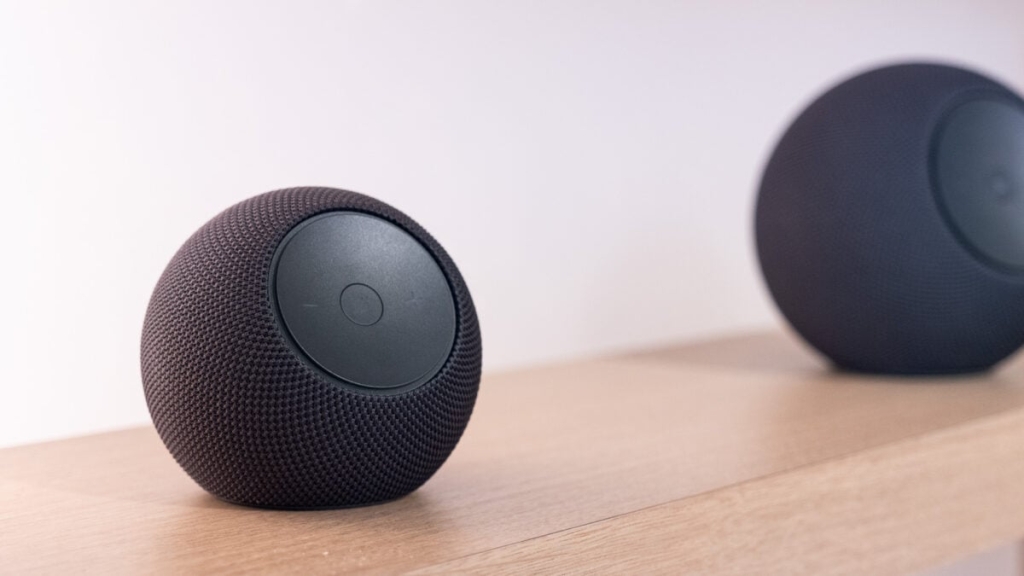
The Next Generation of Voice Assistants: A Major Disappointment or Just a Work in Progress?
After nearly a decade of anticipation and development, the latest wave of AI-powered voice assistants from tech giants Amazon and Google has finally arrived—and the reception has been, well, underwhelming. While the promise of integrating large language models (LLMs) like those powering ChatGPT into voice assistants was supposed to revolutionize how we interact with our smart devices, early adopters are finding that the new boss feels eerily similar to the old boss—still struggling to understand us.
Alexa+ Launches to Mixed Reviews
This week, Amazon officially rolled out Alexa+, the company’s much-hyped sequel to its original voice assistant. The upgrade infuses Alexa with an LLM, theoretically enabling more natural conversations and complex task handling. However, after a year-long early access period, users are reporting significant issues.
Reddit threads are filled with complaints about slow response times, inaccurate command recognition, and an overall disappointing user experience. Tech reviewers have echoed these sentiments, with some going as far as to say they’re switching back to Siri after experiencing Alexa+’s shortcomings.
Google’s Gemini for Home Faces Similar Challenges
Google isn’t faring much better with its new offering, Gemini for Home. Despite promises of more natural-sounding interactions and improved functionality, users are experiencing many of the same frustrations. The assistant takes noticeably longer to process commands, and accuracy hasn’t improved significantly over previous versions.
While there are some welcome additions—like the ability to chain multiple commands together—these features haven’t fundamentally transformed the smart home experience as Google had suggested they would.
The Apple Wildcard: Siri’s AI Transformation
Perhaps the most telling indicator of the challenges facing voice assistants is Apple’s struggle with AI Siri. Originally announced for release in 2024, Apple has delayed the full rollout of its enhanced voice assistant due to performance concerns. The company has even struck a deal with Google to have Gemini power Siri’s AI capabilities, highlighting just how difficult this technology is to perfect.
Why Are Next-Gen Voice Assistants Falling Short?
The core issues plaguing these new assistants mirror the problems that have always existed:
- Processing delays that make interactions feel sluggish
- Misunderstanding commands or providing irrelevant responses
- Overthinking simple requests or getting confused by context
- Inconsistent performance across different devices and scenarios
Despite the integration of sophisticated LLMs, these fundamental challenges persist. The technology seems to be struggling with the same core issues that have limited voice assistants since their inception.
Is There Hope on the Horizon?
While current iterations are disappointing, there’s always potential for improvement. A technological breakthrough could eventually bridge the gap between what these assistants promise and what they deliver. However, given the current trajectory and the challenges even Apple is facing, optimism is in short supply.
The voice assistant landscape appears to be at a crossroads. Companies have invested heavily in upgrading these systems with AI capabilities, yet the user experience remains frustratingly similar to what we had before. Until someone solves the fundamental challenges of natural language understanding, contextual awareness, and reliable execution, we may be stuck with voice assistants that, despite their AI enhancements, still feel like they’re hard of hearing.
For now, users might want to keep the patience handy—and perhaps some throat lozenges—as we continue shouting at our smart speakers in hopes they’ll finally understand us.
Tags: Alexa+, Gemini for Home, AI voice assistants, smart home technology, Amazon Echo, Google Home, Siri AI, large language models, LLM integration, voice recognition technology, smart speaker reviews, tech disappointments 2025, voice assistant performance issues
Viral Sentences:
- “The new boss feels the same as the old boss—a little hard of hearing.”
- “Better drink some hot tea with honey, folks, because you may be shouting endlessly at your smart speakers for the foreseeable future.”
- “These next-gen voice assistants feel like a bit of a whiff.”
- “Making AI Siri do all the stuff Apple wants it to do has been more difficult than the company expected.”
- “We’re left with LLM-powered voice assistants that look an awful lot like the non-LLM-powered voice assistants.”
,

Leave a Reply
Want to join the discussion?Feel free to contribute!