
New York Is the Latest State to Consider a Data Center Pause
Title: “The Great Data Center Freeze: 14 States Hit Pause on the AI Boom”
In a stunning twist that’s sending shockwaves through Silicon Valley and beyond, state legislatures across America are slamming the brakes on the runaway data center expansion that’s fueled the AI revolution. From the tech corridors of Virginia to the green mountains of Vermont, lawmakers are drawing a line in the silicon—and the message is clear: not in our backyard.
The Numbers Don’t Lie: 14 States Already Acting
As of December, at least 14 states have towns or counties that have already paused data center permitting and construction, according to Tech Policy Press. But this is just the beginning. This year alone, lawmakers in at least five other states—Georgia, Maryland, Oklahoma, Vermont, and Virginia—have introduced bills that would impose various forms of temporary pauses on data center development.
What makes this movement particularly fascinating is its bipartisan nature. While Georgia, Vermont, and Virginia’s efforts are being led by Democrats, Oklahoma and Maryland’s bills were largely sponsored by Republicans. In an era of political division, the data center backlash has become one of those rare issues that transcends party lines.
Virginia: Ground Zero for the Data Center Wars
Virginia stands as perhaps the most dramatic battleground in this unfolding drama. The state has become one of the national hubs for data center development, with more than 60 data-center-related bills already proposed in the Virginia legislature this year, according to industry news site Data Center Dynamics.
Josh Thomas, a state delegate in Virginia who has been at the forefront of leading the legislative charge to put limits on the expansion of data centers, describes a remarkable political transformation. During his first legislative session in 2024, the caucus of self-identified data center “reformers” in both the House and Senate was just three politicians. That number grew to eight in 2025, “and now, it’s 12 or 13,” he says, with many more politicians willing to vote on reform bills.
“The understanding has shifted,” Thomas explains. “My fellow lawmakers now understand that we need to negotiate where these things go.”
The Microsoft Response: “Good Neighbor” Commitments
The data center industry, sensing the growing tide of opposition, is beginning to respond. Last month, Microsoft, with a boost from the White House, rolled out a set of commitments to be a “good neighbor” in communities where it builds data centers.
Dan Diorio, the vice president of state policy at the Data Center Coalition, an industry group, tells WIRED that the industry “recognizes the importance of continued efforts to better educate and inform the public about the industry, through community engagement and stakeholder education, which includes factual information about the industry’s responsible usage of water and our commitment to paying for the energy we use.”
The Political Calculus: Who’s Most Likely to Hit Pause?
Thomas, who was not involved in shaping the moratorium in the Virginia House, thinks that a moratorium on data centers is much more likely to pass in states where the industry has less of a foothold than in Virginia. Still, he says, “it’s not a bad idea.”
The political dynamics vary significantly by state. In Virginia, newly elected governor Abigail Spanberger, a Democrat who talked about making data centers “pay their own way” on the campaign trail, seems much more likely to reconsider this year’s version of the bill, which has already passed the House.
Last year, a proposal introduced by Thomas that would have required data centers to perform more in-depth environmental-, noise-, and community-impact site assessments passed the legislature, but it was vetoed by then governor Glenn Youngkin. The political winds have clearly shifted.
The States in Play: A Closer Look
Let’s break down what’s happening in each of the five states with active moratorium legislation:
Georgia: Democratic-led efforts to pause data center development are gaining traction as communities express concerns about water usage and energy consumption.
Maryland: Republicans are spearheading legislation to temporarily halt data center construction, citing concerns about infrastructure strain and environmental impact.
Oklahoma: Senator Sacchieri has filed legislation to address the unknown impacts of data centers on local communities and resources.
Vermont: With just two data centers according to Data Center Map, Vermont’s Democratic-led effort represents a preemptive strike against potential future expansion.
Virginia: The epicenter of the data center industry is experiencing the most intense political pushback, with multiple bills under consideration and a dramatically shifted political landscape.
The Bigger Picture: What’s Really Driving This Movement?
The data center backlash isn’t just about NIMBYism (Not In My Backyard). It’s about fundamental questions of resource allocation, environmental justice, and the true cost of the AI revolution that Silicon Valley has sold us.
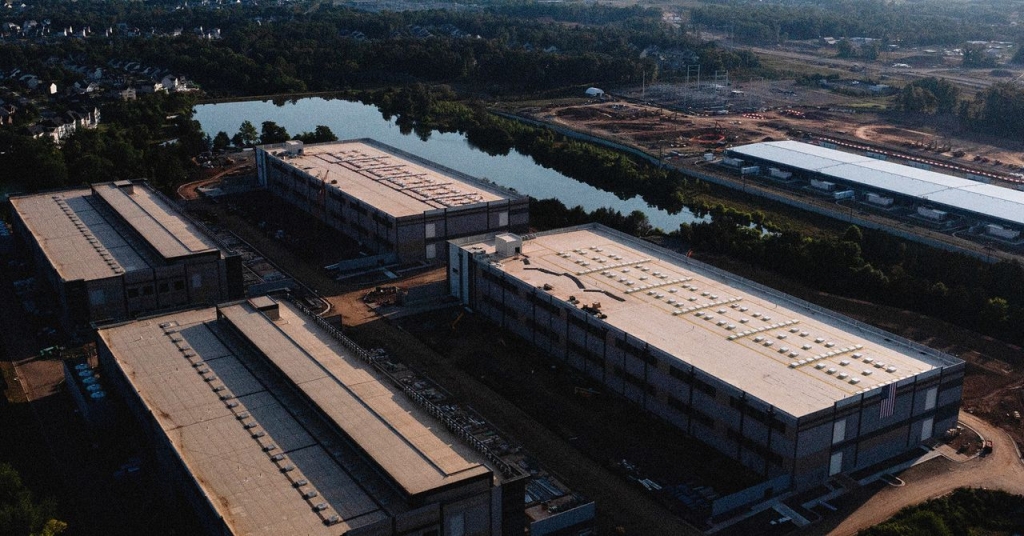
Communities are waking up to the reality that these massive facilities—often the size of several football fields—consume enormous amounts of electricity and water. In drought-prone areas, the water usage alone has become a flashpoint. In regions with aging electrical grids, the power demands are causing concern about reliability and rate increases for ordinary consumers.
There’s also the question of who benefits and who pays. Data centers often promise jobs and tax revenue, but critics argue that the long-term costs—to infrastructure, to the environment, to quality of life—aren’t being adequately accounted for.
What Happens Next?
The coming months will be crucial in determining whether these moratorium efforts gain enough momentum to actually halt data center construction, or whether they’ll be watered down into more modest regulatory frameworks.
What’s clear is that the era of unchecked data center expansion is over. The industry is going to have to learn to play better with the communities it seeks to inhabit, or face increasingly hostile political environments.
As Josh Thomas puts it, the conversation has fundamentally shifted. It’s no longer about whether to regulate data centers, but how—and how much.
The great data center freeze may well become one of the defining political battles of the AI era, pitting the promise of technological progress against the practical realities of community impact and resource constraints.
One thing’s for certain: the silent revolution happening in state capitals across America could reshape the future of AI infrastructure in ways that Silicon Valley never anticipated.
Tags & Viral Phrases:
- Data Center Moratorium
- AI Boom Slowdown
- Silicon Valley Backlash
- Bipartisan Tech Resistance
- Virginia Data Center Wars
- Microsoft Good Neighbor Pledge
- State-Level Tech Regulation
- The Great Data Center Freeze
- AI Infrastructure Crisis
- Community Impact Battles
- Resource Allocation Fights
- The New Tech Cold War
- States vs. Silicon Valley
- Data Centers Under Fire
- The NIMBY Movement Goes Digital
- Political Earthquake in Tech
- The Future of AI is Local
- States Drawing the Line
- The End of Unchecked Expansion
- Community Power vs. Corporate Might
,


Leave a Reply
Want to join the discussion?Feel free to contribute!