
Newton MessagePad, Newton OS canceled
The Fall of a Visionary: Apple’s Newton MessagePad Ends Its Journey
On February 27, 1998, Apple Computer made a decision that would reverberate through the tech industry for years to come. The company officially discontinued the Newton MessagePad product line and ceased development of Newton OS, the operating system that powered these pioneering personal digital assistants. This marked the end of an ambitious experiment that had begun five years earlier with high hopes and revolutionary aspirations.
A Bittersweet Farewell to Innovation
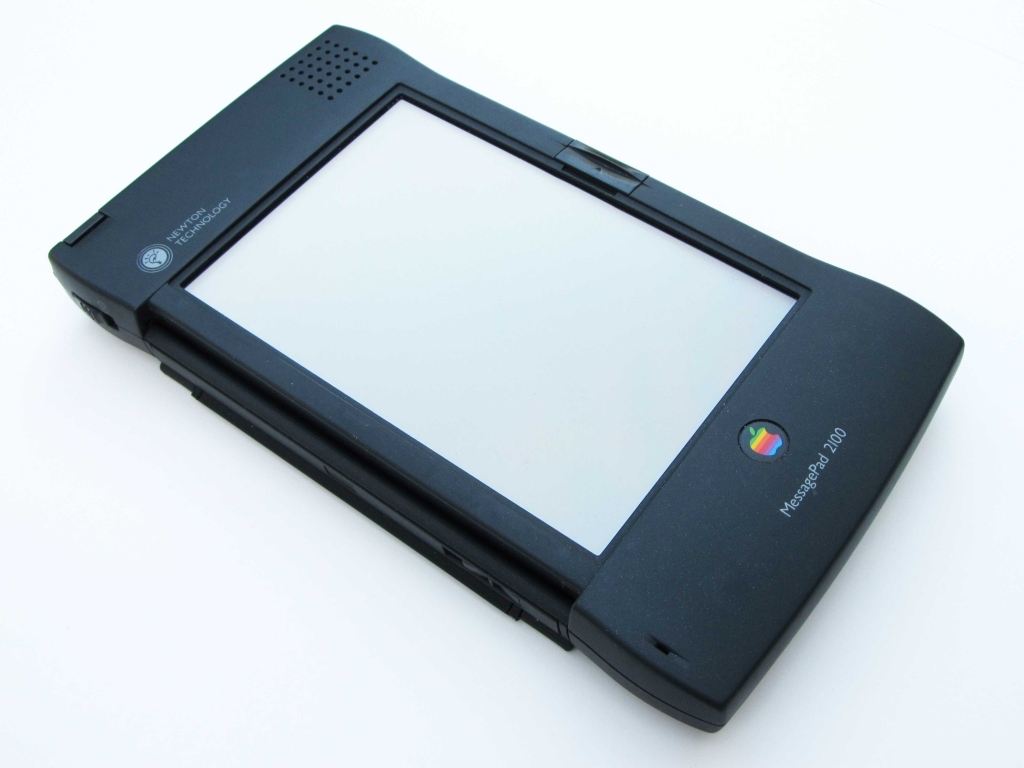
When Apple announced the discontinuation, many in the tech community felt a profound sense of loss. The Newton MessagePad had evolved significantly since its rocky beginnings, transforming from a device plagued by infamous handwriting recognition errors into a genuinely useful pocket companion. Just four months prior, Apple had released the MessagePad 2100, widely considered the best iteration yet, featuring expanded memory, enhanced processing speed, and upgraded communications software.
The timing made the decision particularly poignant. Apple had recently spun off the Newton division into its own company, Newton, Inc., suggesting confidence in the product’s potential. This corporate restructuring had seemed to signal that the PDA was finally ready for mainstream adoption after years of refinement and improvement.
The Jobs Factor: Vision, Rivalry, and Strategic Focus
The decision to kill Newton cannot be separated from Steve Jobs’ return to Apple as interim CEO. Jobs had come back to the company he co-founded just months earlier, bringing with him a renewed vision for Apple’s future. The Newton represented everything Jobs had opposed during his absence: it was a Sculley-era project, launched under the watch of John Sculley, the CEO whose decision to push Jobs out in 1985 had created a decade-long rift.
Jobs’ famous disdain for the Newton went beyond personal history. The device simply didn’t align with his strategic vision for Apple’s future. In his statement announcing the cancellation, Jobs emphasized the need to “focus all our software development resources on extending the Macintosh operating system” and achieve “ambitious plans” through concentrated effort.
The Numbers Tell a Story
Despite years of development, multiple hardware iterations, and continual software improvements, the Newton MessagePad had failed to capture significant market share. Sales figures tell a sobering story: between 150,000 and 300,000 units sold over its 4.5-year lifespan. In an era when Jobs was obsessed with blockbuster products that would sell to the masses, these numbers simply weren’t compelling enough to justify continued investment.
The human cost of this strategic shift was substantial. Of the 130 employees working at Newton Inc. at the time of cancellation, only 30 remained with the Newton group. The others were reassigned to work on another top-secret Apple project: the first-generation iBook laptop, which would become a commercial success.
A Prototype for the Future
Looking back with the benefit of hindsight, the Newton MessagePad can be seen as a crucial stepping stone in Apple’s evolution toward mobile computing dominance. The device pioneered concepts that would later become fundamental to the iPhone and iPad: portable touch-based interfaces, mobile applications, and the idea of a computer that fits in your pocket.
The Newton’s “Knowledge Navigator” concept video from 1987, which envisioned a tablet-like device with intelligent assistant capabilities, bears striking similarities to modern smartphones. The video showed a professor interacting with a digital assistant, conducting video calls, and accessing information through a tablet interface—concepts that would take nearly two decades to fully realize but were clearly present in Apple’s thinking.
The Legacy Lives On
While the Newton MessagePad failed as a commercial product, its influence extends far beyond its brief market presence. The device helped establish important concepts in mobile computing: the importance of intuitive interfaces, the potential for mobile productivity tools, and the vision of a connected, intelligent personal device.
The Newton’s failure also taught Apple valuable lessons about product development, market timing, and the importance of aligning technology with user needs. These lessons would prove invaluable when Apple eventually created the iPhone, a product that succeeded precisely where the Newton had struggled.
Cultural Impact and Historical Significance
The Newton MessagePad occupies a unique place in tech history as one of the first attempts to create a truly personal, portable computing device. It represented a bold vision of the future that was perhaps a decade ahead of its time. The device’s struggles with handwriting recognition became legendary, inspiring countless jokes and even appearing in popular culture, most notably in a famous Doonesbury comic strip that mocked the technology’s limitations.
However, the Newton’s story is ultimately one of vision outpacing technology. The core concepts were sound; the execution was simply limited by the technological constraints of the 1990s. Slow processors, limited battery life, expensive components, and the absence of ubiquitous wireless connectivity all contributed to the device’s commercial struggles.
The Road Not Taken
The cancellation of Newton represents one of those pivotal moments in tech history where different decisions could have led to vastly different outcomes. Had Apple persisted with the platform, invested in improving the technology, or found ways to reduce costs, the company might have established itself as a leader in mobile computing a decade earlier.
Instead, Apple chose to focus on its core Macintosh business and wait for technology to mature. This conservative approach, while disappointing to Newton enthusiasts, allowed Apple to conserve resources and maintain focus during a critical period of corporate restructuring.
Looking Forward
The end of Newton marked not just the death of a product line, but the closing of a chapter in Apple’s history. It represented the final break with the Sculley era and the beginning of Jobs’ second act at Apple. The decision to kill Newton, while painful for those who had invested years in the platform, ultimately freed Apple to pursue new directions without the baggage of past failures.
Today, as we carry powerful computers in our pockets and use intelligent assistants to manage our lives, we can appreciate the Newton MessagePad for what it truly was: a courageous first step toward a future that its creators could only imagine. The device may have failed commercially, but it succeeded in expanding our conception of what personal computing could be.
The Newton’s story reminds us that technological progress often involves false starts and dead ends. Not every pioneering effort succeeds, but each contributes to the collective knowledge that eventually leads to breakthrough innovations. In this sense, the Newton MessagePad was not a failure, but rather an essential experiment in the ongoing evolution of personal computing.
Tags: Apple Newton, Newton MessagePad, Steve Jobs, discontinued products, personal digital assistants, mobile computing, tech history, PDA, Newton OS, John Sculley, Knowledge Navigator, iPhone predecessor, Apple history, February 27 1998, cult of mac, technology evolution, mobile devices, handheld computers, tech nostalgia, Silicon Valley history, innovation failure, product development, strategic focus, corporate restructuring, mobile internet, touch interfaces, intelligent assistants, digital handwriting, portable computing, tech pioneers, failed products, visionary technology, computing history, Apple legacy, mobile productivity, device evolution, technology timing, market readiness, corporate strategy, tech culture, historical significance, false starts, technological progress, personal computing, Silicon Valley, tech industry, Apple products, discontinued devices, mobile technology, handheld devices, digital assistants, computing devices, technology evolution, tech innovation, product lifecycle, corporate decisions, technology history, tech failures, successful innovations, mobile revolution, personal devices, computing platforms, operating systems, hardware development, software development, market analysis, consumer technology, technological advancement, digital transformation, tech trends, industry analysis, product strategy, business decisions, technology adoption, market timing, innovation cycles, tech legacy, historical analysis, cultural impact, technological vision, future predictions, device categories, computing categories, mobile categories, tech categories, historical dates, significant dates, tech events, industry events, corporate events, technology events, historical moments, significant moments, tech moments, industry moments, corporate moments, technology moments, historical context, cultural context, technological context, industry context, corporate context, technology context, historical perspective, cultural perspective, technological perspective, industry perspective, corporate perspective, technology perspective, historical understanding, cultural understanding, technological understanding, industry understanding, corporate understanding, technology understanding, historical knowledge, cultural knowledge, technological knowledge, industry knowledge, corporate knowledge, technology knowledge, historical information, cultural information, technological information, industry information, corporate information, technology information, historical facts, cultural facts, technological facts, industry facts, corporate facts, technology facts, historical data, cultural data, technological data, industry data, corporate data, technology data, historical research, cultural research, technological research, industry research, corporate research, technology research, historical study, cultural study, technological study, industry study, corporate study, technology study, historical analysis, cultural analysis, technological analysis, industry analysis, corporate analysis, technology analysis, historical interpretation, cultural interpretation, technological interpretation, industry interpretation, corporate interpretation, technology interpretation, historical significance, cultural significance, technological significance, industry significance, corporate significance, technology significance, historical importance, cultural importance, technological importance, industry importance, corporate importance, technology importance, historical value, cultural value, technological value, industry value, corporate value, technology value, historical impact, cultural impact, technological impact, industry impact, corporate impact, technology impact, historical influence, cultural influence, technological influence, industry influence, corporate influence, technology influence, historical contribution, cultural contribution, technological contribution, industry contribution, corporate contribution, technology contribution, historical legacy, cultural legacy, technological legacy, industry legacy, corporate legacy, technology legacy, historical memory, cultural memory, technological memory, industry memory, corporate memory, technology memory, historical remembrance, cultural remembrance, technological remembrance, industry remembrance, corporate remembrance, technology remembrance, historical commemoration, cultural commemoration, technological commemoration, industry commemoration, corporate commemoration, technology commemoration, historical celebration, cultural celebration, technological celebration, industry celebration, corporate celebration, technology celebration, historical recognition, cultural recognition, technological recognition, industry recognition, corporate recognition, technology recognition, historical acknowledgment, cultural acknowledgment, technological acknowledgment, industry acknowledgment, corporate acknowledgment, technology acknowledgment, historical appreciation, cultural appreciation, technological appreciation, industry appreciation, corporate appreciation, technology appreciation, historical understanding, cultural understanding, technological understanding, industry understanding, corporate understanding, technology understanding, historical knowledge, cultural knowledge, technological knowledge, industry knowledge, corporate knowledge, technology knowledge, historical information, cultural information, technological information, industry information, corporate information, technology information, historical facts, cultural facts, technological facts, industry facts, corporate facts, technology facts, historical data, cultural data, technological data, industry data, corporate data, technology data, historical research, cultural research, technological research, industry research, corporate research, technology research, historical study, cultural study, technological study, industry study, corporate study, technology study, historical analysis, cultural analysis, technological analysis, industry analysis, corporate analysis, technology analysis, historical interpretation, cultural interpretation, technological interpretation, industry interpretation, corporate interpretation, technology interpretation, historical significance, cultural significance, technological significance, industry significance, corporate significance, technology significance, historical importance, cultural importance, technological importance, industry importance, corporate importance, technology importance, historical value, cultural value, technological value, industry value, corporate value, technology value, historical impact, cultural impact, technological impact, industry impact, corporate impact, technology impact, historical influence, cultural influence, technological influence, industry influence, corporate influence, technology influence, historical contribution, cultural contribution, technological contribution, industry contribution, corporate contribution, technology contribution, historical legacy, cultural legacy, technological legacy, industry legacy, corporate legacy, technology legacy, historical memory, cultural memory, technological memory, industry memory, corporate memory, technology memory, historical remembrance, cultural remembrance, technological remembrance, industry remembrance, corporate remembrance, technology remembrance, historical commemoration, cultural commemoration, technological commemoration, industry commemoration, corporate commemoration, technology commemoration, historical celebration, cultural celebration, technological celebration, industry celebration, corporate celebration, technology celebration, historical recognition, cultural recognition, technological recognition, industry recognition, corporate recognition, technology recognition, historical acknowledgment, cultural acknowledgment, technological acknowledgment, industry acknowledgment, corporate acknowledgment, technology acknowledgment, historical appreciation, cultural appreciation, technological appreciation, industry appreciation, corporate appreciation, technology appreciation
,

Leave a Reply
Want to join the discussion?Feel free to contribute!