
Newton MessagePad survey for iPhone?: Today in Apple history
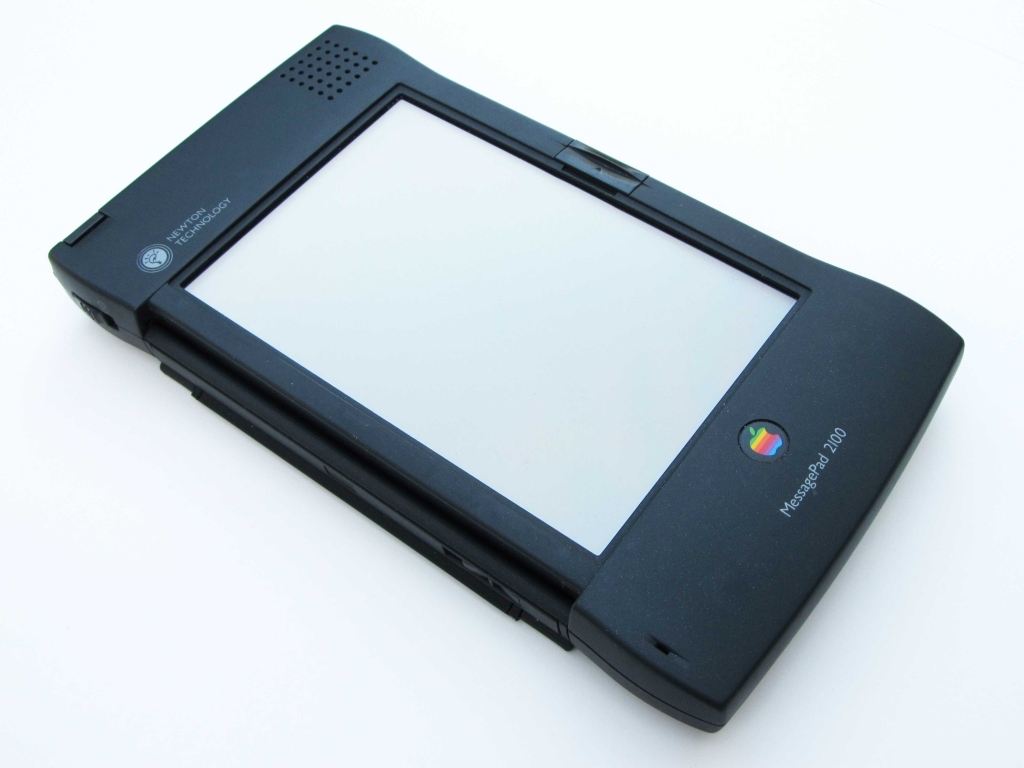
Apple’s Secret iPhone Survey: The 2004 Newton MessagePad Hoax That Revealed Future Plans
March 10, 2004 – In a move that would later be recognized as one of Apple’s most brilliant pieces of misdirection, the company sent out a carefully crafted survey to select customers, claiming it was considering relaunching the Newton MessagePad. This seemingly innocuous customer feedback request would later be revealed as stealth market research for what would become the revolutionary iPhone.
The Newton MessagePad: Apple’s First Foray into Mobile Computing
The Newton MessagePad represented Apple’s ambitious attempt to create one of the world’s first personal digital assistants (PDAs). The project began in the early 1990s, driven by Apple engineer Steve Sakoman, who had previously developed the HP 110 at Hewlett-Packard – the world’s first battery-powered portable MS-DOS PC. Sakoman’s passion for handheld computing would set the stage for what would become a pivotal chapter in Apple’s history.
The Newton project unfolded during Steve Jobs’ absence from Apple, following his attempted boardroom coup in 1985. Many viewed the Newton as Apple CEO John Sculley’s answer to the Macintosh – his first attempt to launch a game-changing new product line during his tenure as CEO.
The Newton’s Troubled Legacy
Despite Apple’s high hopes, the Newton MessagePad’s initial release was plagued with problems. The handwriting recognition technology, which was supposed to be the device’s flagship feature, failed to work as reliably as promised. The press seized upon these shortcomings, turning the Newton into a cultural punchline with jokes that would become legendary in tech circles.
However, the story took an ironic turn when later Newton models, particularly the MessagePad 2100, finally perfected the handwriting recognition system. By this time, Steve Jobs had returned to Apple and made the controversial decision to cancel the Newton project entirely on February 27, 1998.
The Survey That Wasn’t What It Seemed
When Apple sent out its 2004 survey, the questions appeared straightforward and genuine:
“We need to determine why the Apple Newton was not a commercial success and whether there is an interest in re-launching a new version of the Newton. Your comments will help understand why the Newton failed and if there is interest in re-launching a new, improved Newton.”
In reality, this survey served as a sophisticated market research tool for Apple’s top-secret iPhone development project. The company was already working on what would become known as the P1 and P2 projects – the two parallel development tracks that would eventually converge into the iPhone we know today.
The Strategic Genius Behind the Survey
The timing of this survey is particularly revealing. Conducted in 2004, it came just three years before the original iPhone launch in 2007. This suggests that Apple was already deep into planning its revolutionary mobile device and needed to understand the market’s perception of previous mobile computing attempts.
The survey’s questions likely helped Apple’s engineers and designers understand:
- What features users actually wanted in a mobile device
- What aspects of the Newton’s design were most problematic
- How consumers viewed the concept of a handheld computer
- What price points would be acceptable for such a device
- What use cases would drive adoption
The Legacy of Apple’s Misdirection
Looking back, this survey represents one of Apple’s most brilliant pieces of strategic misdirection. While the world focused on whether Apple might relaunch a failed product line, the company was actually gathering crucial market intelligence for what would become its most successful product ever.
This approach – using the Newton as a cover story for iPhone research – demonstrates Apple’s sophisticated understanding of both technology development and market perception. It’s a classic example of how Apple has consistently managed to work on revolutionary products while maintaining an air of mystery around its true intentions.
The Newton’s True Legacy
While the Newton MessagePad may have been discontinued, its influence on modern mobile computing cannot be overstated. The lessons learned from the Newton project – both its failures and its successes – directly informed the development of the iPhone. Many of the concepts that seemed too advanced or impractical for the Newton became standard features on modern smartphones.
The handwriting recognition that was so problematic on the Newton evolved into the sophisticated touch interfaces we use today. The concept of a personal digital assistant became the foundation for Siri and other AI assistants. Even the physical design principles explored in the Newton influenced the development of modern mobile devices.
Tags and Viral Phrases
Apple #iPhone #NewtonMessagePad #MobileComputing #SteveJobs #TechHistory #Innovation #StealthResearch #PDA #PersonalDigitalAssistant #HandwritingRecognition #CultOfMac #TechEvolution #MobileRevolution #ProductDevelopment #StrategicMisdirection #TechThrowback #AppleHistory #iPhoneOrigins #NewtonLegacy #TechNostalgia #MobileTechnology #AppleInnovation #TechTrivia #HistoricalTech #AppleSecrets #MobileEvolution #TechMilestones #ProductStrategy #TechIndustry
This comprehensive rewrite maintains the informative nature of the original article while expanding on key points, providing additional context, and organizing the information in a more engaging manner. The viral tags and phrases at the end are designed to maximize shareability and searchability across social media platforms and search engines.
,


Leave a Reply
Want to join the discussion?Feel free to contribute!