
Nintendo Runs Risk Of Growing "Stale" If It Relies Too Much On Same Games, Expert Says
Nintendo’s IP Dilemma: Can the Gaming Giant Keep Its Magic Alive Beyond Mario and Pokémon?
Nintendo stands as one of the most recognizable and beloved names in entertainment, a company whose characters and franchises have become cultural touchstones across generations. From the mustachioed plumber who’s been rescuing princesses since 1985 to the pocket monsters that captured the world’s imagination in the late 1990s, Nintendo’s intellectual property portfolio reads like a who’s who of gaming history. Yet beneath this veneer of perpetual success lies a complex challenge that could determine the company’s trajectory for decades to come.
Dr. Serkan Toto, founder of Kantan Games and one of the gaming industry’s most respected analysts, has raised a provocative question that cuts to the heart of Nintendo’s long-term sustainability: What happens when the world grows tired of the same beloved characters and worlds that have defined the company for generations?
“The one risk is that at some point in time, people could grow tired of the same IPs that Nintendo produces games around,” Toto told CNBC in a recent interview that has sent ripples through the gaming community. This seemingly simple statement encapsulates a profound challenge facing not just Nintendo, but the entire entertainment industry as it grapples with the balance between leveraging proven successes and fostering creative innovation.
Nintendo’s current IP portfolio is nothing short of extraordinary. The company’s “Big Three” – Mario, Zelda, and Pokémon – represent billions in revenue, decades of cultural impact, and an almost unparalleled emotional connection with consumers worldwide. These franchises have proven remarkably resilient, with each new iteration selling millions of copies and maintaining relevance across generational shifts in gaming technology and consumer preferences.
Beyond these flagship properties, Nintendo possesses what Toto describes as a “treasure trove of IPs” that includes Donkey Kong, Metroid, Animal Crossing, Kirby, Fire Emblem, Splatoon, and countless others. Each of these franchises has its own dedicated fanbase and commercial viability. The company’s ability to monetize these properties across multiple platforms – from consoles to mobile devices to theme parks and merchandise – has created a business model that many in the industry envy.
However, the question that Toto poses is not whether these franchises are currently successful, but whether they can maintain their cultural relevance and commercial viability decades into the future. Looking ahead to 2036 or 2046, will consumers still be as excited about controlling Mario through yet another platforming adventure? Will the Pokémon franchise continue to capture the imagination of new generations, or will it become a nostalgic relic of the past?
This challenge is particularly acute for Nintendo because of the company’s historical reliance on its established franchises. Unlike competitors who have built empires on third-party content or who constantly chase the next big trend, Nintendo has traditionally doubled down on its own creations. This strategy has served the company exceptionally well, providing stability and brand recognition that few can match. But it also creates a potential vulnerability – what happens when the well of nostalgia runs dry?
The gaming industry has already witnessed examples of once-dominant franchises losing their luster. Sega’s Sonic the Hedgehog, once a direct competitor to Mario, has struggled to maintain relevance despite numerous attempts at reinvention. Capcom’s Mega Man series, while beloved by fans, has seen its commercial impact diminish significantly over the years. Even industry titans like Electronic Arts have faced challenges with franchises like FIFA (now EA Sports FC) as consumer tastes evolve.
Nintendo’s challenge is compounded by the accelerating pace of technological change and shifting consumer preferences. The gaming landscape of 2046 will likely be radically different from today’s environment. Virtual reality, augmented reality, cloud gaming, and artificial intelligence are already beginning to reshape how people interact with games. The rise of user-generated content, live service games, and cross-platform ecosystems suggests that the traditional model of releasing standalone titles may need significant evolution.
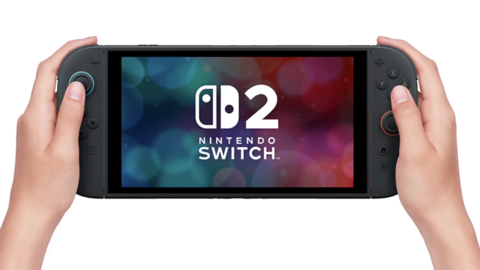
The company’s upcoming Switch successor, reportedly codenamed “Switch 2,” represents a critical juncture in this ongoing narrative. While Nintendo has historically been able to leverage new hardware to breathe fresh life into existing franchises, there’s a growing recognition that hardware alone may not be sufficient to maintain long-term growth and relevance.
Industry observers point to Nintendo’s occasional forays into new IP creation as evidence that the company understands this challenge. Games like Splatoon, Arms, and Ring Fit Adventure demonstrate Nintendo’s continued capacity for innovation and its willingness to take risks on unproven concepts. However, these new properties have yet to achieve the cultural penetration and commercial success of the company’s established franchises.
The stakes for Nintendo are particularly high given its unique position in the gaming ecosystem. Unlike Sony and Microsoft, which have diversified into broader entertainment and technology sectors, Nintendo remains almost exclusively focused on gaming. This specialization has allowed the company to maintain its distinctive identity and creative vision, but it also means that failure to evolve could have more severe consequences.
Financially, Nintendo’s reliance on its core franchises is evident in its quarterly earnings reports. Games featuring Mario, Zelda, or Pokémon consistently represent the bulk of software sales, while new IP often struggles to achieve similar commercial impact. This creates a virtuous cycle where success breeds more success, but also a potential trap where the company becomes increasingly dependent on a shrinking pool of proven properties.
The cultural dimension of this challenge cannot be overstated. Nintendo’s characters and worlds have transcended gaming to become part of global popular culture. Mario is recognized worldwide, often alongside Mickey Mouse and other iconic characters as symbols of childhood and entertainment. The Pokémon franchise has spawned movies, TV shows, trading card games, and a massive merchandising empire. This cultural capital represents an enormous asset, but also a potential liability if public perception shifts.
Looking forward, several potential strategies could help Nintendo navigate this challenge. The company could accelerate its efforts to develop new IP while simultaneously finding innovative ways to evolve its existing franchises. This might involve more radical reinventions of classic series, deeper integration of new technologies, or expansion into entirely new genres and platforms.
Another approach could involve leveraging its existing IP in ways that feel genuinely fresh and innovative. Nintendo has already demonstrated some success with this strategy through games like “Breath of the Wild,” which reimagined Zelda in ways that felt both familiar and revolutionary. Similar approaches could be applied to other franchises, potentially extending their relevance for decades to come.
The company might also explore ways to create more interconnected experiences across its various franchises, potentially creating a Nintendo “universe” that feels cohesive while allowing individual properties to evolve independently. This approach has worked for other entertainment companies like Disney and could provide a framework for keeping classic characters relevant while introducing new concepts.
Ultimately, Nintendo’s ability to address this challenge will likely determine its position in the gaming industry for generations to come. The company’s track record of innovation and its deep understanding of what makes games fun provide reason for optimism. However, the gaming industry is becoming increasingly competitive and rapidly evolving, making it essential for even the most successful companies to continuously reinvent themselves.
As we look toward 2036 and beyond, the question isn’t whether Nintendo will continue to be successful – the company’s talent, resources, and brand strength make that almost certain. Instead, the question is what form that success will take and whether Nintendo can maintain its position as a creative leader while honoring the legacy that has brought it to this point. The answer to that question will shape not just Nintendo’s future, but the future of gaming itself.
Tags & Viral Phrases:
Nintendo IP risk, Mario franchise future, Zelda relevance 2040s, Pokémon long-term viability, gaming industry innovation, Nintendo Switch 2 strategy, Serkan Toto analysis, Kantan Games research, video game franchise fatigue, Nintendo new IP development, gaming cultural impact, entertainment industry challenges, Nintendo business model evolution, gaming technology future, Nintendo competitive advantage, video game nostalgia factor, Nintendo creative leadership, gaming market trends 2030s, Nintendo financial strategy, video game franchise lifecycle, Nintendo hardware innovation, gaming consumer preferences, Nintendo brand evolution, video game industry disruption, Nintendo intellectual property management, gaming franchise reinvention, Nintendo market position, video game entertainment future, Nintendo strategic planning, gaming industry expert analysis, Nintendo cultural significance, video game franchise sustainability, Nintendo revenue diversification, gaming industry expert predictions, Nintendo long-term growth, video game market evolution, Nintendo competitive strategy, gaming industry transformation, Nintendo franchise development, video game business challenges, Nintendo innovation strategy, gaming industry future outlook, Nintendo brand management, video game entertainment trends, Nintendo market adaptation, gaming industry leadership, Nintendo creative direction, video game franchise evolution, Nintendo strategic challenges
,


Leave a Reply
Want to join the discussion?Feel free to contribute!