
Nintendo sues to prevent Trump from dodging full tariff refunds
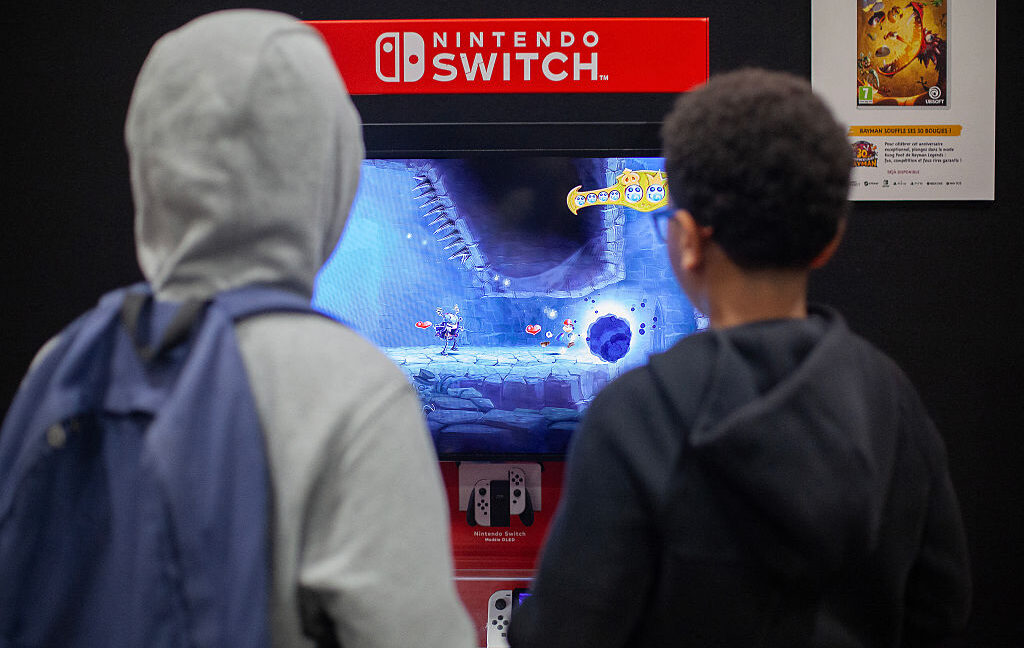
Nintendo Switch 2 Price Hike Sparks Gamer Outrage Amid Tariff Uncertainty
When Nintendo unveiled the Switch 2 at $449.99—$150 more than its predecessor’s launch price—the gaming community erupted in collective sticker shock. Social media platforms lit up with the rallying cry “drop the price,” as fans grappled with the reality of a console market that had seemingly left affordability behind.
The $450 price point immediately raised eyebrows, especially given that the original Switch debuted at $299 in 2017. For many gamers, this represented more than just inflation—it signaled a fundamental shift in how console manufacturers approach pricing in an increasingly premium gaming landscape.
The Tariff Question: Red Herring or Real Concern?
As speculation mounted about whether Trump-era tariffs were driving the price increase, Nintendo of America President Doug Bowser moved quickly to clarify the situation in an interview with The Verge. “The price increase is not directly attributable to tariffs,” Bowser stated, attempting to separate the Switch 2’s pricing from the complex web of international trade policies affecting electronics manufacturing.
However, the tariff narrative refused to die. Bowser acknowledged that the International Emergency Economic Powers Act (IEEPA) tariffs were “fresh” at the time of the announcement, and like many companies navigating uncertain economic waters, Nintendo was “actively assessing what the impact may be.”
This hedging proved prescient. Within weeks of Bowser’s statement, the gaming community found itself bracing for potential price increases across the Nintendo ecosystem, from games to accessories.
Corporate Calculus: The Delicate Balance of Price and Market Position
By April 2025, Nintendo President Shuntaro Furukawa provided additional context during a corporate briefing, revealing the company’s internal deliberations on pricing strategy. His comments, closely monitored by industry analysts at GamesIndustry.biz, suggested that while software pricing remained relatively stable, “hardware involves special factors such as tariffs,” which Nintendo must consider “while conducting careful and repeated deliberations when determining price.”
Furukawa’s statement revealed a fascinating tension at the heart of Nintendo’s pricing philosophy. The company recognized tariffs as a legitimate cost factor but was simultaneously wary of passing too much of that burden onto consumers. This hesitation stemmed from a strategic calculation: Nintendo feared that excessive price increases could dampen Switch 2 sales and, consequently, reduce exposure for its software ecosystem.
The executive elaborated on this delicate balance: “Our basic policy is that for any country or region, if tariffs are imposed, we recognize them as part of the cost and incorporate them into the price. However, this year marks our first new dedicated video game system launch in eight years, so given our unique situation, our priority is to maintain the momentum of our platforms, which is extremely important for our dedicated video game platform business.”
This statement encapsulates Nintendo’s broader market strategy—prioritizing long-term platform health over short-term profit maximization. The company appears willing to absorb some costs to maintain its competitive position, recognizing that the Switch 2 represents not just a new console but the future of Nintendo’s entire gaming ecosystem.
The August Adjustment: Accessories and Legacy Hardware
By August 2025, the tariff situation had evolved enough to prompt Nintendo to adjust prices on existing products. The company implemented price increases on original Switch consoles and Switch 2 accessories, citing “market conditions” as the justification.
This move represents a strategic pivot—rather than raising the flagship product’s price, Nintendo chose to adjust its legacy hardware and peripheral pricing. This approach allows the company to manage costs while keeping the Switch 2’s price point stable, at least for now.
Market Context: A Premium Console Era
Nintendo’s pricing decisions must be understood within the broader context of the gaming industry’s shift toward premium pricing. An Ars Technica review found that today’s game consoles are historically overpriced when adjusted for inflation and technological advancement. Sony’s PlayStation 5 launched at $499.99, while Microsoft’s Xbox Series X hit shelves at the same price point—both representing significant jumps from previous console generations.
This industry-wide trend suggests that Nintendo’s pricing strategy, while controversial, aligns with market realities. The Switch 2’s $450 price tag, while higher than its predecessor, actually positions it slightly below its direct competitors in the premium console space.
Consumer Response: The Price of Progress
The gamer backlash against the Switch 2’s price reveals deeper tensions within the gaming community. Many long-time Nintendo fans expressed frustration that the company they associated with accessible, family-friendly gaming had embraced premium pricing strategies typically associated with more “hardcore” gaming platforms.
This sentiment reflects a broader anxiety about gaming’s evolution from a relatively affordable hobby to a premium entertainment category competing with other forms of media consumption. The $450 price tag for a console that requires additional purchases for games, accessories, and online services represents a significant investment for many consumers.
Looking Forward: Uncertainty and Adaptation
As the gaming industry continues to navigate complex economic conditions, including ongoing tariff negotiations and supply chain disruptions, companies like Nintendo face difficult pricing decisions. The Switch 2’s pricing strategy represents a careful balance between maintaining market competitiveness, managing production costs, and preserving the company’s long-term platform strategy.
For gamers, the immediate future likely involves continued price vigilance and potential adjustments as economic conditions evolve. Nintendo’s willingness to adjust legacy product pricing while maintaining the Switch 2’s launch price suggests a company committed to its flagship product’s success, even if it means short-term cost absorption.
The broader question remains: have we entered an era of permanently higher console prices, or will market forces eventually push prices back toward more accessible levels? As the gaming industry continues its premium pricing experiment, consumers, developers, and platform holders alike will be watching closely to see which pricing strategies ultimately prove sustainable.
tags
NintendoSwitch2 #GamingPriceHike #TariffImpact #ConsoleWars #GamingCommunity #PremiumGaming #NintendoPricing #Switch2Launch #GamingIndustry #MarketConditions
viralphrases
“Drop the price” movement gains momentum
Gamers brace for tariff-linked price increases
Nintendo absorbs costs to protect platform momentum
Premium console era begins with Switch 2
Legacy hardware prices rise while flagship stays stable
Gaming’s evolution from affordable to premium
Economic uncertainty shapes console pricing strategy
Community backlash against $450 price tag
Strategic pricing in uncertain tariff environment
Long-term platform health vs short-term profits
,


Leave a Reply
Want to join the discussion?Feel free to contribute!