
No fooling: NASA targets April 1 for Artemis II launch to the Moon
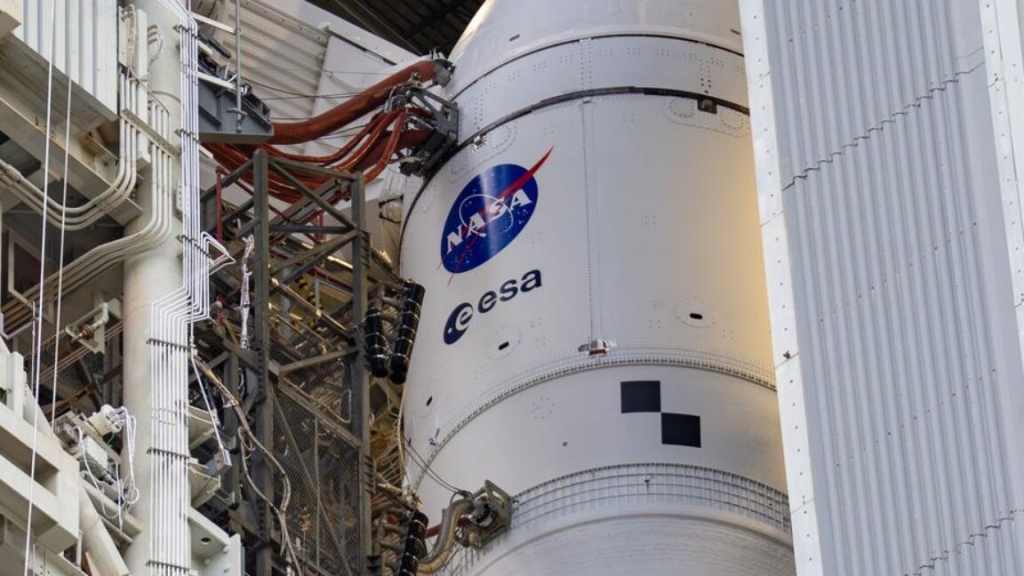
NASA Fixes Artemis II Rocket’s Helium Flow Issue, Sets Stage for Rollback to Launch Pad
NASA engineers have successfully resolved a critical helium flow problem that grounded the Artemis II mission’s Space Launch System (SLS) rocket at Kennedy Space Center, marking another milestone in the agency’s ambitious return to the Moon. The fix comes after a complex troubleshooting process that required rolling the 322-foot-tall (98-meter) rocket back to the Vehicle Assembly Building (VAB) for repairs.
The helium flow issue emerged just one day after the rocket passed a crucial fueling test on February 21, where engineers successfully loaded the SLS with super-cold propellants without encountering the persistent hydrogen leak that had previously plagued the mission. This successful fueling demonstration had initially suggested the rocket could launch as soon as the following week, raising hopes for an accelerated timeline.
However, ground teams discovered they couldn’t properly flow helium into the rocket’s upper stage. This presented a unique challenge: while connections to the core stage can be repaired at the launch pad, the umbilical lines leading to the upper stage are only accessible inside the VAB’s cavernous interior. The upper stage sits approximately 200 feet above the ground, making on-pad repairs impractical.
Mission managers made the decision to roll the massive rocket back to the assembly building on February 25. The rollback process itself is a carefully orchestrated operation that typically takes six to eight hours, requiring the massive crawler-transporter to move the rocket at a glacial pace of about 1 mph along the 4.2-mile journey from Pad 39B to the VAB.
Once inside the VAB, engineers conducted detailed inspections and quickly identified the source of the helium flow issue. The problem was traced to a seal in the quick disconnect mechanism through which helium flows from ground systems into the rocket. During the fueling test, this seal had become dislodged, obstructing the helium pathway and preventing proper flow to the upper stage.
The repair process involved removing the quick disconnect assembly, carefully reassembling the system, and implementing modifications to prevent the seal from becoming dislodged again. Engineers then validated the repairs by running helium through the mechanism at reduced flow rates, confirming that the issue had been resolved.
“This is exactly why we have the capability to roll back to the VAB,” said a NASA spokesperson. “It allows us to access systems that aren’t reachable from the launch pad and perform detailed troubleshooting that would be impossible otherwise.”
The agency is now conducting additional assessments to determine what caused the seal to become dislodged in the first place. Understanding the root cause is crucial for preventing similar issues during future Artemis missions and ensuring the reliability of the SLS rocket system.
With the helium flow issue resolved, attention now turns to preparing the rocket for its return to the launch pad. The rollout process is expected to begin in the next two to three weeks, though NASA has not announced a specific date. When the rocket does return to Pad 39B, teams will need to perform additional checkouts and preparations before the vehicle is considered ready for launch.
The Artemis II mission, scheduled to carry a crew of four astronauts on a lunar flyby mission, represents a critical step in NASA’s Artemis program. This mission will serve as the first crewed flight of the SLS rocket and Orion spacecraft, paving the way for future lunar landings under the Artemis program.
The delay caused by the helium flow issue pushes back the potential launch window, though NASA has not yet provided updated target dates. The agency must balance the desire to maintain momentum with the need to ensure all systems are functioning properly before committing to a launch date.
This incident highlights the complexity of modern spaceflight operations, where even seemingly minor issues can have significant impacts on launch schedules. The SLS represents the most powerful rocket NASA has ever built, and its size and complexity require meticulous attention to detail during all phases of preparation.
The successful resolution of this issue demonstrates the effectiveness of NASA’s integrated approach to rocket processing, which combines the capabilities of both the launch pad and the VAB. This flexibility allows engineers to address problems efficiently, whether they occur at the pad or require the resources available only inside the assembly building.
As NASA continues preparations for Artemis II, the focus remains on ensuring the safety and reliability of the mission. The agency’s methodical approach to troubleshooting and repair, while potentially causing delays, ultimately serves the critical goal of mission success and crew safety.
Tags:
NASA, Artemis II, Space Launch System, SLS, Kennedy Space Center, VAB, Vehicle Assembly Building, helium flow, rocket repair, lunar mission, crewed spaceflight, space exploration, Artemis program, rocket troubleshooting, launch preparation
Viral Phrases:
“NASA engineers save the day with quick thinking”
“Helium flow nightmare resolved”
“Roll back to roll forward”
“NASA’s rocket rescue mission”
“Spacecraft seal drama”
“Artemis II back on track”
“NASA’s methodical approach pays off”
“Space launch system saves the day”
“Kennedy Space Center engineering triumph”
“NASA’s lunar dreams stay alive”
,


Leave a Reply
Want to join the discussion?Feel free to contribute!