
Nvidia could launch its first laptops with its own processors later this year
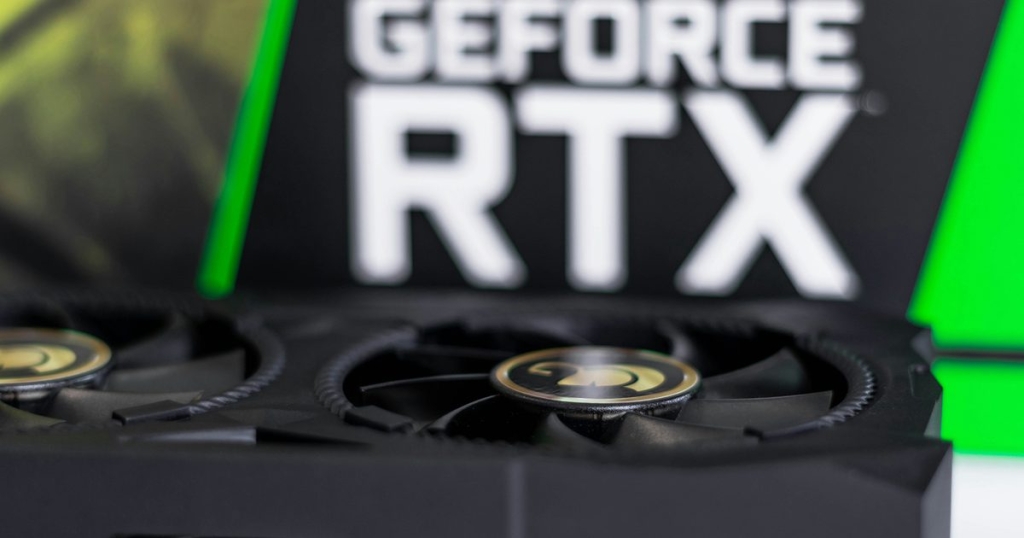
Nvidia Prepares to Dominate Consumer Laptops with Its Own AI-Powered Processors
In a move that could reshape the entire PC industry, Nvidia is preparing to launch its own line of laptop processors, marking a bold return to the consumer computer market after years of focusing on discrete graphics cards and AI data center hardware. According to a report from the Wall Street Journal, the company is developing Arm-based system-on-a-chip (SoC) processors specifically designed for laptops, with major manufacturers like Dell and Lenovo already working on systems that will feature these new chips.
This represents a dramatic strategic shift for Nvidia, which has spent the past decade building its dominance in graphics processing and AI acceleration while largely ceding the CPU market to Intel, AMD, and Qualcomm. Now, the company is positioning itself to compete directly with these established players by offering complete laptop solutions that integrate CPU, GPU, and dedicated AI acceleration into a single, power-efficient package.
The timing couldn’t be more perfect for Nvidia’s ambitious move. The entire PC industry is undergoing a massive transformation as artificial intelligence becomes the central feature of modern computing. Apple has already demonstrated the potential of integrated, AI-optimized silicon with its M-series chips, which have revolutionized laptop performance and battery life. Microsoft and its partners are racing to catch up with Windows on Arm initiatives, while Qualcomm has entered the fray with its Snapdragon X Elite processors.
Nvidia’s entry into this space brings unique advantages. The company has unparalleled expertise in AI acceleration and graphics processing, two areas that are becoming increasingly critical for everyday computing tasks. By combining these strengths with Arm’s energy-efficient architecture, Nvidia could deliver laptops that offer exceptional performance for both traditional workloads and emerging AI applications.
The potential benefits for consumers are substantial. Nvidia-powered laptops could offer thinner, lighter designs with significantly longer battery life compared to current Intel and AMD offerings. The integrated AI acceleration would enable advanced features like real-time language translation, sophisticated image processing, and local AI model inference without relying on cloud services. This could be particularly valuable for creative professionals, developers, and anyone who needs powerful computing capabilities on the go.
However, Nvidia faces significant challenges in this endeavor. Software compatibility remains a major concern, as many Windows applications are optimized for x86 architecture rather than Arm. The company will need to ensure that its processors can run existing software seamlessly while also taking advantage of new AI capabilities. Additionally, thermal management and performance optimization will be crucial, especially in the thin and light form factors that consumers increasingly prefer.
The first wave of Nvidia-powered laptops is expected to hit the market before the end of this year, with broader availability planned for 2026. This aggressive timeline suggests that Nvidia has been working on these processors for some time and is confident in their readiness for prime time. The company’s deep pockets and technological expertise give it a significant advantage in this race, but success is far from guaranteed.
If Nvidia can deliver on its promises, the impact on the PC market could be revolutionary. The company’s entry could force Intel and AMD to accelerate their own AI integration efforts, potentially leading to a new era of innovation in laptop computing. It could also provide consumers with more choices and potentially lower prices as competition intensifies.
The stakes are particularly high given the current state of the PC market. After years of stagnation, laptop sales are showing signs of recovery, driven in part by the demand for AI-capable devices. Nvidia’s timing appears strategic, as it can capitalize on this renewed interest while also leveraging its strong brand recognition and technological leadership in AI.
For Microsoft, Nvidia’s move represents both an opportunity and a challenge. While Windows on Arm has struggled to gain significant market share, a powerful Nvidia processor could provide the catalyst needed to make the platform more attractive to both manufacturers and consumers. However, Microsoft will need to ensure that its software ecosystem is ready to support these new devices effectively.
The competitive landscape is already heating up, with Qualcomm’s Snapdragon X Elite processors generating significant buzz for their impressive performance and efficiency. AMD continues to push the boundaries of x86 architecture, while Intel is working to regain its footing with its own AI-focused chip designs. Nvidia’s entry adds another formidable player to this mix, potentially accelerating the pace of innovation across the industry.
As we approach the launch of the first Nvidia-powered laptops, the tech world will be watching closely to see how these devices perform in real-world conditions. Key factors to watch will include battery life, AI feature integration, software compatibility, and pricing. If Nvidia can deliver a compelling package that addresses these concerns, it could quickly establish itself as a major force in the consumer PC market once again.
The next few years could see one of the most significant transformations in PC computing since the introduction of the first laptops. With Nvidia’s entry into the processor market, consumers can expect more powerful, efficient, and AI-capable devices than ever before. Whether this leads to a true revolution in personal computing or becomes another footnote in the ongoing battle for PC supremacy remains to be seen, but one thing is certain: the race for AI-powered laptops has just gotten a lot more interesting.
Tags: Nvidia, laptop processors, AI computing, Arm architecture, PC revolution, Windows on Arm, Dell, Lenovo, tech innovation, battery life, graphics processing, system-on-a-chip, market disruption, consumer technology, processor competition
Viral Phrases: “Nvidia’s AI laptop revolution,” “The end of Intel and AMD dominance,” “Apple Silicon killer incoming,” “Gaming laptops just got smarter,” “AI-powered computing is here,” “Nvidia’s secret weapon revealed,” “The future of Windows laptops,” “Tech’s biggest comeback story,” “Why your next laptop might be Nvidia-powered,” “The chip war just got real”,

Leave a Reply
Want to join the discussion?Feel free to contribute!