
Nvidia DLSS 5 reveal: PC Gamer reacts… not wholly positively
DLSS 5: A Technological Leap or a Controversial Misstep?
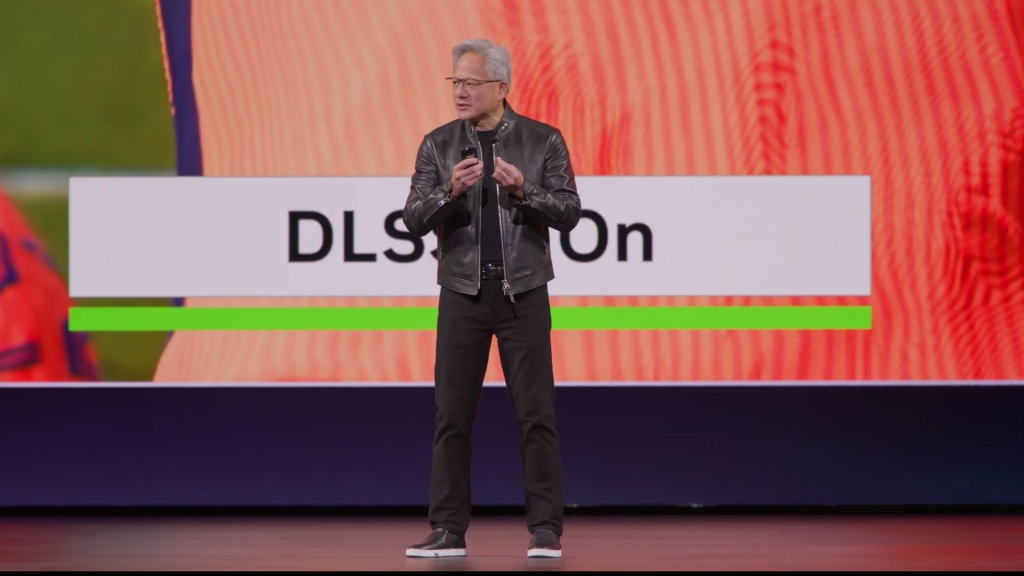
At the Nvidia GTC 2026 keynote, CEO Jen-Hsun Huang unveiled DLSS 5, the next generation of AI-powered graphics enhancement technology. The reveal has sparked intense debate within the gaming community, with reactions ranging from excitement about potential visual improvements to concerns about artistic integrity and the implications of AI-driven graphics.
The Promise of DLSS 5
Nvidia’s DLSS 5 technology aims to revolutionize game rendering by using AI to enhance lighting, materials, and character models. The technology promises to deliver more realistic lighting effects without the computational overhead of traditional ray tracing, potentially allowing for more visually stunning games on a wider range of hardware.
The Controversy
However, the initial demonstrations of DLSS 5 have raised several concerns:
-
Character Overhaul: The most significant criticism has been the dramatic alteration of character appearances. Characters like Grace Ashcroft from Resident Evil: Requiem have been transformed with features that many perceive as unrealistic and homogenized, often resembling heavily filtered Instagram photos.
-
Artistic Integrity: Many argue that DLSS 5’s automatic enhancements override the artistic vision of game developers and character artists, potentially homogenizing the unique aesthetics of different games.
-
Uncanny Valley Effect: The AI-driven modifications can create an unsettling “uncanny valley” effect, where characters look almost human but with subtle, off-putting differences.
-
Performance Concerns: Early demonstrations required two high-end RTX 5090 GPUs, raising questions about the technology’s accessibility and performance impact on average gaming systems.
-
AI Ethics: The use of AI to modify human-like characters has sparked discussions about AI ethics and the potential for perpetuating unrealistic beauty standards.
Mixed Reactions from PC Gamer Staff
The PC Gamer team has expressed a range of opinions on DLSS 5:
- Andy Edser: Criticized the AI’s effect on character faces, describing it as “Instagram-filtered” and “gross.”
- Jeremy Laird: Acknowledged the potential of the technology but criticized the heavy-handed approach in the initial demos.
- Fraser Brown: Strongly opposed the technology, calling it “the homogenization of videogame art” and “soulless AI filter.”
- Harvey Randall: Expressed concern about the technology defeating the purpose of artistic creation in games.
- Dave James: Called for more nuance in the discussion, pointing out that not all demonstrations looked bad.
- Jess Kinghorn: Criticized Nvidia’s marketing approach but acknowledged potential benefits in environmental lighting.
- Lincoln Carpenter: Questioned whether photorealism is always better, arguing that DLSS 5 demonstrates “contempt for artistic intent.”
The Way Forward
Nvidia maintains that developers will have control over DLSS 5’s effects, allowing them to maintain their game’s unique aesthetic. The company argues that the technology is a tool that can enhance games when used appropriately, rather than a one-size-fits-all solution.
As DLSS 5 rolls out later this year, it will be crucial to see how developers implement the technology and whether it can deliver on its promise without compromising artistic vision. The gaming community will be watching closely to see if this controversial technology can find a balance between technological advancement and artistic integrity.
Tags and Viral Phrases
-
DLSS5
-
NvidiaGTC2026
-
GameGraphicsRevolution
-
AIinGaming
-
ArtisticIntegrity
-
UncannyValley
- “Yassification of games”
- “AI beauty standards”
- “Photorealism vs. Artistry”
- “Tech demo or art form?”
- “The camera and painting debate”
- “Choice in gaming”
- “DLSS 5: Blessing or Curse?”
- “Nvidia’s controversial reveal”
- “AI-generated slop”
- “Gaming’s future: AI-enhanced or artist-driven?”
- “The death of artistic expression in games?”
- “DLSS 5: More graphics or less art?”
- “Nvidia’s tone-deaf marketing”
- “The homogenization of videogame art”
- “AI vaseline and dubious character cosmetic surgery”
- “Plasticine, overly-shiny AI faces”
- “Soulful vs. soulless gaming experiences”
- “The uncanny, morphing, shifting effect”
- “Distracting? Yeah, something along those lines.”
- “It’s gaming, Jim, but not as we know it”
- “A major misstep in terms of its presentation”
- “The dystopic Instagram filter”
- “Ethically stunted evangelists”
- “Dogshit photography”
- “Higher fidelity is fine, but at what cost?”
- “Nvidia’s wood elf yassification”
- “The basic sense of atmosphere has been reshaped”
- “Arbitrary priorities and intrinsic biases of the technology”
- “A fundamental contempt for artistic intent”
- “Overwriting the artistry behind the image”
- “Not worth the cost”
,


Leave a Reply
Want to join the discussion?Feel free to contribute!