
Nvidia’s gaming GPU roadmap just hit a weird speed bump
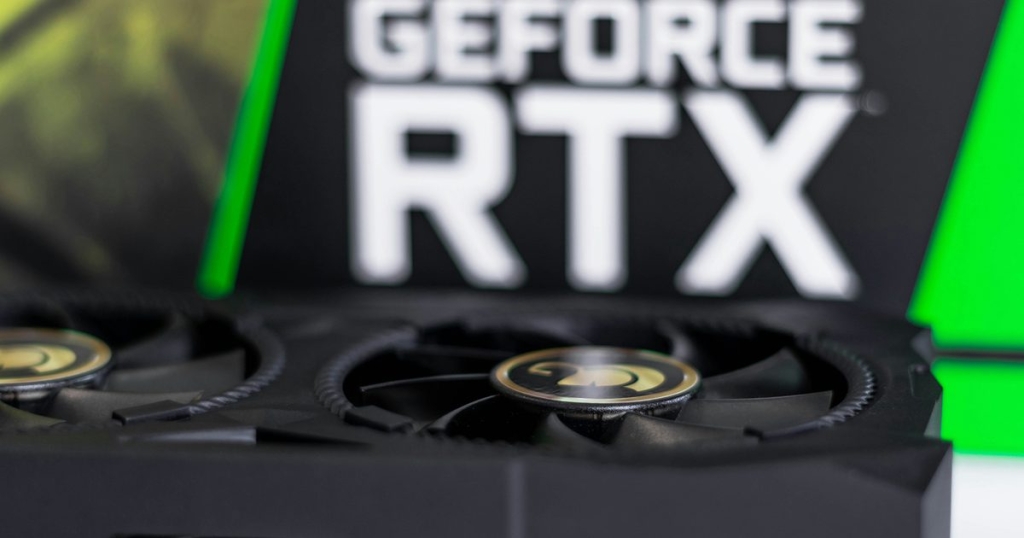
NVIDIA’s 2026 GPU Drought: Gamers Brace for the First Chip Gap in Decades
In a shocking turn that has sent ripples through the PC gaming world, NVIDIA is reportedly set to break its decades-long tradition of annual GPU releases by skipping new gaming graphics chips entirely in 2026. According to a bombshell report from The Information, the company faces a severe memory chip shortage that has forced it to deprioritize its gaming lineup in favor of AI-focused accelerators.
This isn’t just a minor delay—it’s a fundamental disruption of the GPU release cycle that PC gamers have come to expect. The planned RTX 50 Super refresh, which was anticipated to bring incremental performance boosts to the current generation, has been shelved. Even more concerning, the next-generation RTX 60 series, which gamers were hoping would arrive in 2027, may now be pushed back to 2028 as the memory shortage persists.
The Memory Crisis Behind the Delay
The root cause of this unprecedented situation lies in the global memory market’s seismic shift. Memory manufacturers have dramatically reallocated production capacity toward high-bandwidth memory (HBM) and other specialized components that power AI workloads in data centers. This strategic pivot has created a perfect storm: while demand for AI accelerators skyrockets, the supply of consumer-oriented memory like GDDR6 and GDDR7 has become increasingly scarce and expensive.
NVIDIA, caught between these competing demands, has made the difficult decision to prioritize its AI business—which now generates the majority of its revenue—over its gaming segment. The company has reportedly even cut production of some existing RTX 50 series cards to free up memory for AI-focused chips, a move that underscores the severity of the shortage.
What This Means for Gamers
For the gaming community, this news represents more than just disappointment—it’s a potential paradigm shift. Gamers who were planning upgrades in 2026 will need to either stick with their current hardware or consider purchasing from NVIDIA’s existing RTX 50 lineup, which includes the RTX 5090 and RTX 5080 launched in 2025. However, with no new models on the horizon, these cards may become the de facto high-end options for an extended period.
The absence of a mid-cycle refresh also means that performance improvements in the gaming GPU space could stagnate. Historically, NVIDIA’s Super refresh models have offered meaningful gains in efficiency and performance, giving gamers compelling reasons to upgrade mid-generation. Without this option, the performance gap between entry-level and high-end cards may widen, potentially pushing more gamers toward used hardware markets or alternative solutions.
Market Implications and Pricing Pressure
The supply constraints are already manifesting in market dynamics. With no new GPUs to absorb demand, existing stock of RTX 50 series cards may command premium prices throughout 2026. This situation could benefit NVIDIA’s bottom line in the short term but may also drive gamers toward AMD’s Radeon offerings or even cloud gaming services as alternatives.
PC manufacturers and system builders are also facing challenges. Many had planned 2026 product lines around anticipated NVIDIA releases, and the delay could force them to either maintain current configurations longer than planned or seek alternative GPU solutions. This ripple effect extends to the entire PC ecosystem, from motherboard manufacturers to cooling solution providers who design products around expected thermal profiles of next-generation chips.
The Broader Context: AI’s Impact on Gaming Hardware
This situation highlights a growing tension in the tech industry: the increasing dominance of AI workloads is beginning to impact traditional computing segments. NVIDIA’s decision reflects a broader industry trend where resources are being reallocated to serve the AI boom, even at the expense of established consumer markets.
The memory shortage is particularly acute because AI accelerators require significantly more memory per chip than gaming GPUs. While a high-end gaming card might use 24GB of GDDR6X, AI accelerators often require multiple stacks of HBM2e or HBM3, consuming far more of the available memory production capacity. As AI continues to expand its footprint across industries, this competition for resources is likely to intensify.
Looking Ahead: When Will Gamers See New NVIDIA GPUs?
Industry analysts suggest that meaningful relief may not come until 2028 or later. The memory production cycle is long, and building new fabrication capacity to address the shortage requires significant time and investment. Even if memory supplies improve, NVIDIA must then balance its AI and gaming commitments, which may continue to favor the more profitable AI segment.
For now, gamers face an unusual landscape: a year without new NVIDIA gaming GPUs, potential price stability or increases for existing models, and the prospect of waiting longer than expected for the next performance leap. It’s a situation that challenges the traditional upgrade cycle and may force many in the gaming community to reconsider their hardware strategies.
NVIDIA has not yet formally commented on these reports, but the implications are clear: the gaming GPU market is entering uncharted territory, and 2026 may be remembered as the year NVIDIA chose AI over gaming—at least temporarily.
Tags & Viral Phrases:
NVIDIA skips 2026 GPUs, no new gaming graphics cards, RTX 50 Super canceled, memory shortage crisis, AI vs gaming priorities, GPU drought 2026, NVIDIA delays RTX 60 series, gaming hardware shortage, PC gaming upgrade crisis, NVIDIA AI dominance, memory market disruption, gaming GPU prices skyrocket, RTX 50 series extended lifecycle, NVIDIA production cuts, HBM vs GDDR shortage, data center AI demand, PC builders scramble, gaming community reacts, NVIDIA breaks release cycle, next-gen GPU pushed to 2028, gamers hold onto hardware longer, AMD opportunity in NVIDIA gap, cloud gaming alternative surge, memory fabrication capacity crisis, NVIDIA gaming deprioritization, RTX 5090 becomes long-term flagship, PC gaming ecosystem disruption, NVIDIA AI revenue dominance, gaming performance stagnation 2026, system builders adapt strategies, used GPU market surge, NVIDIA silent on delays, gaming hardware investment uncertainty, RTX refresh tradition ends, AI accelerator memory demands, gaming community frustration, PC upgrade cycle broken, NVIDIA strategic shift complete.
,


Leave a Reply
Want to join the discussion?Feel free to contribute!