
Oakley Meta Vanguard review: fantastic AI running glasses linked to Garmin | Meta
Oakley Meta Vanguard: The AI Running Glasses That Might Actually Work
In the crowded world of smart glasses, most devices feel like solutions looking for problems. The Oakley Meta Vanguard, however, might be the first AI-powered eyewear designed by athletes, for athletes—and it shows.
The Concept: Smart Glasses Meet Serious Sport
Meta’s partnership with EssilorLuxottica has produced several iterations of camera-equipped eyewear, but the Vanguard represents a fundamental shift in purpose. While Ray-Ban Meta Wayfarers cater to lifestyle users, the Vanguard targets runners, cyclists, and action sports enthusiasts who need performance gear that can keep up with their pace.
The premise is ambitious: replace your running sunglasses, wireless earbuds, and action camera with a single device. At £499, it’s a significant investment—but one that might actually deliver value for serious athletes.
Design: Oakley DNA Shines Through
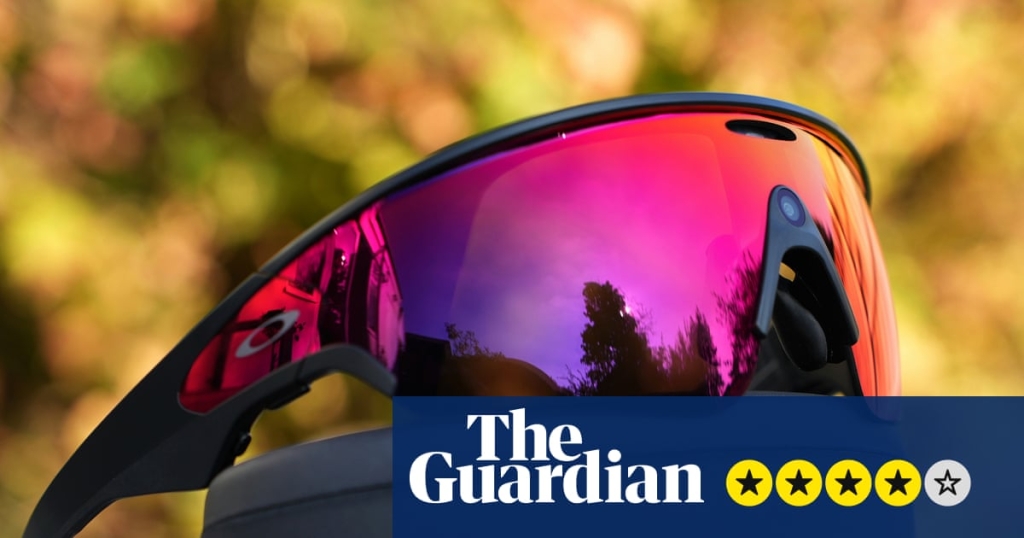
The moment you hold these glasses, you know Oakley was heavily involved. The wraparound frame design mirrors the brand’s Sephara sport glasses, with the same three-point fit system that keeps them glued to your face during intense activity. At 66g, they’re remarkably light for their size, and the balance is impeccable—you barely notice them during movement.
The design isn’t trying to hide its purpose. These look like performance sunglasses first, smart glasses second. The large, curved lenses provide excellent peripheral vision and wind protection, crucial for high-speed activities. Three sizes of silicone nose pads ensure a customizable fit that stays put through sweat and vibration.
Audio Performance: Open-Ear Done Right
The open-ear speakers in each arm represent some of the best implementation I’ve encountered. They’re positioned perfectly to direct sound toward your ears while still allowing environmental awareness—critical for safety during outdoor activities. The audio quality is surprisingly good for open-ear design, with adequate bass response and clear mids and highs.
Volume automatically adjusts to ambient noise levels, a feature that works exceptionally well on busy roads or windy conditions. The five-microphone array provides impressive noise cancellation for calls and voice commands, even in challenging environments.
The touch controls on the right arm are intuitive: tap to play/pause, swipe to adjust volume, and the music automatically pauses when you remove the glasses. It’s thoughtful design that shows understanding of how athletes actually use their gear.
Camera Capabilities: Not a GoPro Replacement, But Close
The 12MP ultrawide camera mounted between your eyes captures decent photos and stabilized 3K video. While it won’t replace a dedicated action camera for professional content, it’s more than capable for capturing the essence of your activities.
The camera excels at hands-free operation. Press the dedicated button for photos, hold for video, or use voice commands through Meta AI. The five-second video clips for each kilometer or mile during auto-capture mode are particularly clever, creating natural highlight reels without interrupting your flow.
Video quality is solid for the category, with good stabilization that handles running and cycling motion well. The hyperlapse and slow-motion features add creative options, though the 720p resolution on slo-mo is a limitation.
Meta AI Integration: Useful But Not Revolutionary
The built-in Meta AI functions similarly to what you’d find on a smartphone—you can ask questions, identify objects, translate text, and get information about your surroundings. The voice recognition works well during activity, and the ability to convert units and paces mid-run is genuinely useful.
However, the AI isn’t quite as capable as Google’s Gemini or other leading chatbots. It handles basic queries and sports-related questions competently but can struggle with more complex requests.
The messaging and calling features work seamlessly, allowing hands-free communication through WhatsApp, Facebook, Instagram, or standard calls. This integration is particularly valuable for athletes who need to stay connected without breaking stride.
The Killer Feature: Garmin Integration
Where the Vanguard truly differentiates itself is the deep integration with Garmin devices. This isn’t just basic connectivity—it’s a thoughtful marriage of data and functionality that addresses real athlete needs.
When linked to a Garmin watch or bike computer, you can ask Meta AI for real-time stats during your activity: pace, distance, heart rate, cadence, power, elevation—anything your Garmin is tracking. The AI pulls this data live, so you get accurate information without looking at your wrist.
The LED indicator next to your right eye provides visual feedback for pace and heart rate zones, turning red when you’re outside your target range. This glanceable information is invaluable during intense workouts when checking your watch isn’t practical.
The auto-capture feature is perhaps the most impressive aspect. The camera automatically records five-second clips at each kilometer or mile, plus at key moments like sprint finishes or steep climbs. After your workout, the Meta AI app stitches these together with your manually captured footage into a highlight reel, complete with overlaid stats from your Garmin data.
This automation solves a real problem: capturing race highlights without the distraction of manual operation. It’s the kind of feature that makes you wonder why no one thought of it sooner.
Battery Life: Marathon-Ready
Meta claims up to six hours of continuous music playback, with the charging case providing an additional 24 hours. In testing, an hour-long run with music, frequent AI interactions, 14 auto-captured videos, and manual shooting left 25% battery remaining—suggesting the claims are realistic.
For marathon runners, this means you should comfortably finish with auto-capture enabled, though extended video shooting might require conservation. The charging case is substantial but well-designed, and it automatically uploads your content to the cloud while charging.
Limitations and Considerations
The glasses require your phone for most advanced features, which can be inconvenient during runs. While basic music and camera functions work with just a Bluetooth connection to your watch, the full AI experience needs the Meta app on your phone.
Prescription lens options are notably absent, a significant limitation for athletes who need vision correction. The high price point also puts these in premium territory, competing with dedicated action cameras and high-end sports headphones.
Sustainability Concerns
Like most modern electronics, the Vanguard faces sustainability challenges. The battery maintains 80% capacity for 500 charge cycles, but it’s not user-replaceable. While lenses and nose pads can be swapped, the overall device isn’t repairable, contributing to electronic waste concerns.
Meta doesn’t publish environmental impact reports for these glasses, and there’s no trade-in program for end-of-life devices. These factors are increasingly important considerations for environmentally conscious consumers.
Price Comparison
At £499, the Vanguard sits above the Oakley Meta HSTN (£399) and Ray-Ban Meta Wayfarer (£379), but below dedicated action cameras like GoPro models. For comparison, standard Oakley Sphaera glasses cost £191, and the Shokz OpenRun Pro 2 headphones are £169.
The price reflects the integration of multiple devices into one, but whether that integration justifies the premium depends on your specific needs and usage patterns.
Final Verdict
The Oakley Meta Vanguard represents a significant step forward for smart glasses in sports applications. They’re not perfect, but they’re the first device in this category that feels genuinely designed for athletes rather than tech enthusiasts.
The Garmin integration alone makes these compelling for serious runners and cyclists, while the audio quality, camera capabilities, and build quality serve the broader action sports market well. The automatic highlight reel feature solves a real problem that many athletes face.
However, the high price, sustainability concerns, and phone dependency for full functionality prevent these from being an unqualified recommendation. They’re an excellent choice for athletes heavily invested in the Garmin ecosystem who want to streamline their gear, but others might find dedicated devices more practical.
4/5 stars
Pros:
- Exceptional Oakley build quality and fit
- Loud, clear open-ear audio with ambient awareness
- Excellent Garmin integration with real-time stats
- Automatic highlight reel creation
- IP67 water resistance
- Long battery life with charging case
- Swappable lenses and nose pads
Cons:
- Very expensive at £499
- Not repairable or sustainable
- Requires phone for most advanced features
- No prescription lens options
- Overkill if you only need audio for runs
Tags: #OakleyMetaVanguard #SmartGlasses #RunningTech #CyclingGear #AIWearables #GarminIntegration #SportsTech #MetaAI #ActionCameraAlternative #FitnessTech #WearableTech #OutdoorGear #MarathonTraining #CyclingAccessories #TechReview #SmartEyewear #PerformanceGear #AIAssistant #HandsFreeTech #SportsInnovation
Viral Sentences:
- “These AI glasses might finally replace your running sunglasses, earbuds, AND action camera”
- “Oakley and Meta just created the first smart glasses that actually understand what athletes need”
- “The Garmin integration is so good it feels like cheating during your next race”
- “Auto-capture highlights without touching your camera? That’s not just smart—that’s genius”
- “At £499, these aren’t just smart glasses—they’re an entire sports tech ecosystem on your face”
- “The battery life is so good you could run a marathon and still have juice left for the after-party”
- “Open-ear audio that’s loud enough to hear over traffic but subtle enough to stay aware? Finally!”
- “Meta AI on your face telling you your pace mid-stride? Welcome to the future of running”
- “These glasses prove smart eyewear doesn’t have to be a gimmick—it can be genuinely useful”
- “The LED zone indicator is the training partner you never knew you needed”
,

Leave a Reply
Want to join the discussion?Feel free to contribute!