
Ocean geoengineering trial finds no evidence of harm to marine life
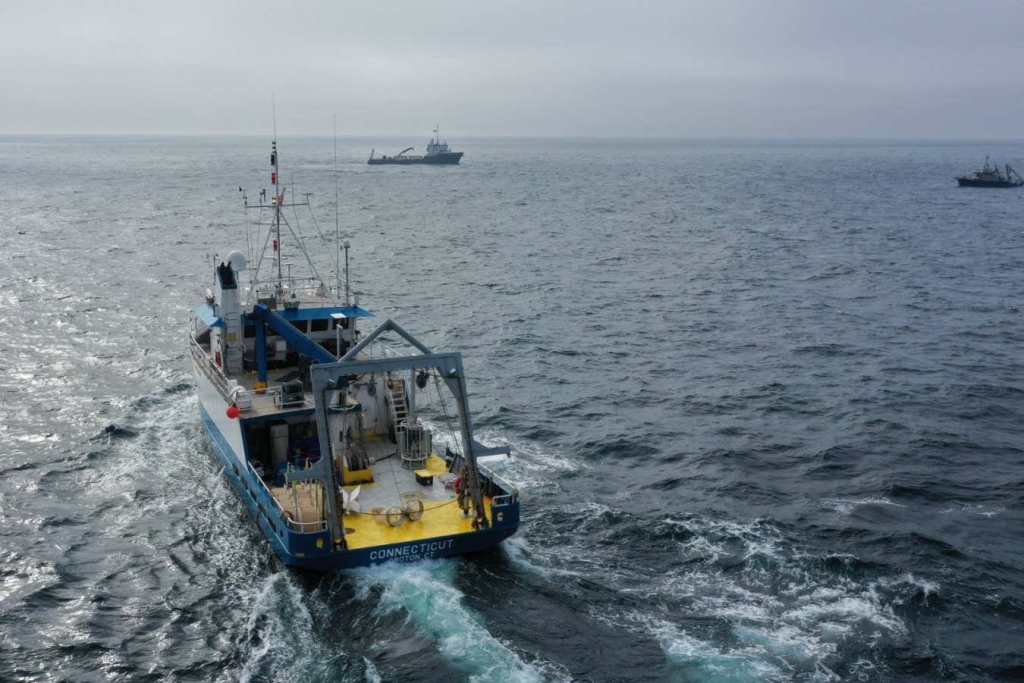
Scientists Test Ocean Alkalinity Enhancement to Combat Climate Change
In a groundbreaking experiment off the coast of Maine, researchers have conducted the world’s first ship-based trial of ocean alkalinity enhancement (OAE) – a promising geoengineering technique that could help remove carbon dioxide from the atmosphere while combating ocean acidification.
The team, led by oceanographer Adam Subhas at the Woods Hole Oceanographic Institution, dumped 65,000 liters of alkaline sodium hydroxide into the Gulf of Maine in August 2025. Their findings, presented at the Ocean Sciences Meeting in Glasgow on February 25, suggest the technique successfully increased carbon uptake without harming marine life.
“We’re the first group to do a ship-based alkalinity enhancement experiment,” Subhas told New Scientist. “We can definitely say that there was additional CO2 uptake as a result of this experiment.”
The results were immediate and measurable. Between 2 and 10 tonnes of CO₂ were removed from the atmosphere within just four days following the chemical release, with the team estimating that up to 50 tonnes could be removed altogether. More importantly, extensive monitoring revealed no significant negative impact on marine organisms.
The experiment employed an impressive array of monitoring technology, including satellites, floating sensors, and ocean gliders that moved in a zigzag pattern through the water column. To track the dispersal of the alkaline solution, researchers mixed it with trace amounts of rhodamine dye, a common fluorescent tracer used in oceanographic studies.
The team measured concentrations of microbes, plankton, fish larvae, and lobster larvae, as well as photosynthetic activity. “There was no significant impact of our field trial on the biological community,” reported Rachel Davitt of Rutgers University, who participated in the monitoring efforts.
Ocean acidification has emerged as one of the most concerning consequences of climate change. The world’s oceans, which store 40 times more carbon than the atmosphere, have absorbed over 25% of the excess CO₂ humans have emitted. This CO₂ reacts with seawater to form carbonic acid, lowering the ocean’s pH and threatening marine ecosystems.
The impacts are already visible. Coral reefs are bleaching, shellfish are struggling to form their calcium carbonate shells, and the ocean’s capacity to continue absorbing CO₂ is diminishing. By increasing ocean alkalinity, scientists hope to reverse this trend while simultaneously enhancing the ocean’s ability to act as a carbon sink.
The extra carbon taken up by the ocean through this process is converted into bicarbonate ions – essentially dissolved baking soda. “We expect that this carbon is locked away for tens of thousands of years,” Subhas explained. “It’s one of the most durable forms of carbon removal.”
This durability represents a key advantage of OAE over other carbon removal approaches. Many techniques first extract CO₂ from the atmosphere and then require separate, permanent storage solutions – often involving underground injection, which raises concerns about potential seismic activity and long-term containment.
However, the trial isn’t without its caveats. When questioned by New Scientist, Subhas acknowledged that the team hasn’t yet calculated the emissions associated with manufacturing the sodium hydroxide and transporting it to the trial site. This means it remains unclear whether the experiment resulted in a net reduction of atmospheric CO₂.
“It’s a really good question,” Subhas admitted. “That’s going to be a really critical area of research moving forward.”
The controversial nature of geoengineering experiments meant the team had to engage extensively with local communities before proceeding. Kristin Kleisner of the Environmental Defense Fund, who helped coordinate community outreach, emphasized the importance of dialogue. “Two-way dialogue is really critical,” she said, particularly with the fishing community whose livelihoods depend on the Gulf of Maine’s health.
Ocean alkalinity enhancement is just one of several approaches being explored to address ocean acidification. Other methods include adding magnesium hydroxide to wastewater before it enters the ocean, distributing ground-up olivine along coastlines, and pumping seawater through land-based treatment facilities.
The private sector has already begun to embrace these technologies, with some companies selling carbon credits based on alkalinity enhancement. This commercial interest underscores the urgency Subhas sees in conducting independent, non-commercial trials to validate and understand these approaches.
As climate change accelerates and traditional emission reduction efforts struggle to keep pace, geoengineering solutions like OAE are likely to receive increasing attention. The Maine experiment represents an important first step in understanding whether we can safely harness the ocean’s vast carbon storage capacity while protecting the marine ecosystems that billions of people depend on for food and livelihoods.
The research team plans to conduct further analysis to determine the full lifecycle emissions of the process and refine their techniques. If successful, ocean alkalinity enhancement could become a valuable tool in humanity’s climate change mitigation toolkit – one that works with natural systems rather than against them.
Tags & Viral Phrases:
Ocean Alkalinity Enhancement, Climate Change Solution, Carbon Dioxide Removal, Ocean Acidification Reversal, Geoengineering Breakthrough, Maine Ocean Experiment, Carbon Capture Technology, Marine Ecosystem Protection, Sodium Hydroxide Ocean Trial, Climate Engineering, Blue Carbon Solutions, Environmental Defense Fund Research, Woods Hole Oceanographic Institution, Rutgers University Marine Science, Ocean Sciences Meeting 2025, Carbon Credits Market, Sustainable Climate Solutions, Marine Life Conservation, Bicarbonate Ion Storage, Ocean Carbon Sink Enhancement, Climate Crisis Innovation, Environmental Technology, Carbon Removal Startups, Ocean Chemistry Modification, Greenhouse Gas Reduction, Marine Biology Research, Climate Mitigation Strategies, Sustainable Ocean Management, Environmental Science Breakthrough, Carbon Dioxide Storage, Ocean Health Restoration, Climate Change Adaptation, Marine Ecosystem Research, Carbon Removal Verification, Environmental Impact Assessment, Ocean Acidification Solutions, Climate Engineering Ethics, Marine Conservation Technology, Carbon Dioxide Mitigation, Ocean Alkalinity Research, Climate Change Response, Environmental Technology Innovation, Carbon Removal Verification, Ocean Chemistry Research, Climate Change Solutions, Marine Ecosystem Protection, Carbon Dioxide Storage Solutions, Ocean Acidification Research, Climate Engineering Debate, Environmental Impact Studies, Carbon Removal Technology, Ocean Health Monitoring, Climate Change Mitigation, Marine Biology Innovation, Carbon Dioxide Reduction, Ocean Alkalinity Enhancement, Climate Change Solutions, Marine Ecosystem Research, Carbon Removal Verification, Environmental Impact Assessment, Ocean Acidification Solutions, Climate Engineering Ethics, Marine Conservation Technology, Carbon Dioxide Mitigation, Ocean Alkalinity Research, Climate Change Response, Environmental Technology Innovation, Carbon Removal Verification, Ocean Chemistry Research, Climate Change Solutions, Marine Ecosystem Protection, Carbon Dioxide Storage Solutions, Ocean Acidification Research, Climate Engineering Debate, Environmental Impact Studies, Carbon Removal Technology, Ocean Health Monitoring, Climate Change Mitigation, Marine Biology Innovation, Carbon Dioxide Reduction
,


Leave a Reply
Want to join the discussion?Feel free to contribute!